Have you ever considered how your cooking method dramatically alters food nutrients? Many of us focus on choosing healthy ingredients, but the way we prepare our food can be just as crucial. From preserving delicate vitamins to enhancing beneficial compounds, your cooking technique plays a significant role in the nutritional value of your meals. This article will unveil the surprising impacts of common cooking methods—boiling, steaming, roasting, and frying—on popular foods like broccoli, carrots, spinach, chicken breast, potatoes, and salmon, guiding you toward nutrient-smart cooking for optimal health.
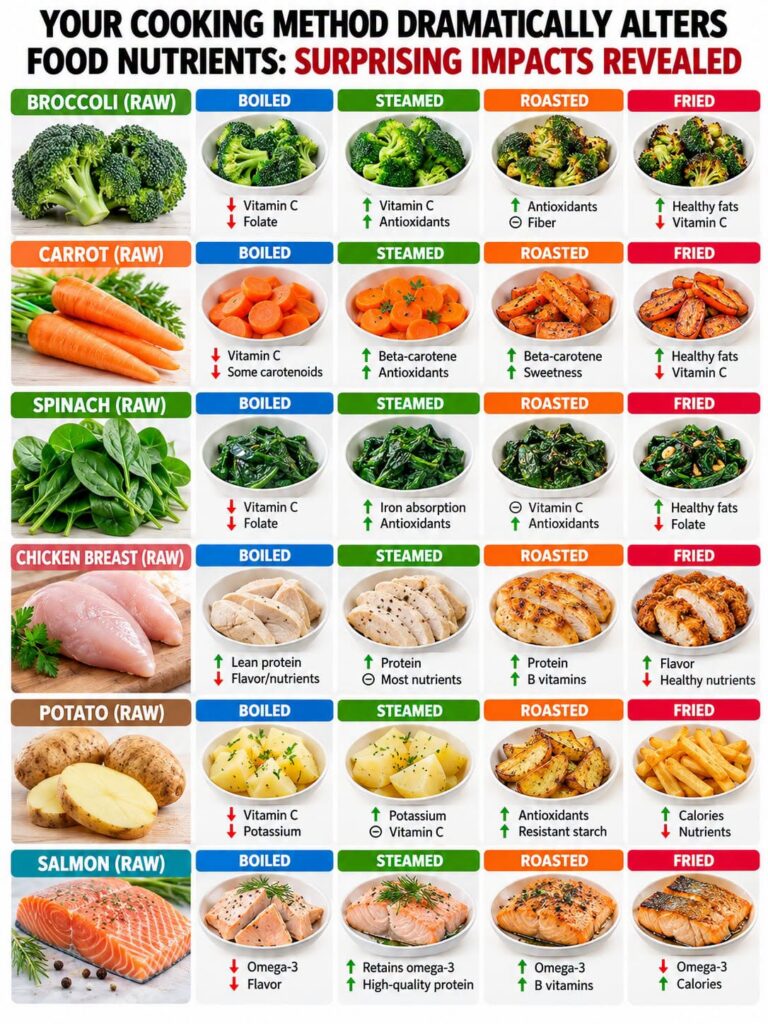 Understand how different cooking methods influence the nutrient content of your favorite foods.
The Surprising Impact of Cooking Methods on Nutrient Content
It’s a common misconception that all cooking reduces nutritional value. While some methods can indeed deplete certain vitamins and minerals, others can actually enhance nutrient availability or preserve them more effectively. Understanding these differences is key to maximizing the health benefits of your diet and improving your daily nutrition. Let’s explore how each cooking method impacts a range of staple foods.
Broccoli: A Case for Steaming to Maximize Vitamin C and Antioxidants
Broccoli is celebrated for its rich content of Vitamin C and antioxidants. However, its nutritional integrity is highly susceptible to cooking.
- Raw Broccoli: Provides a baseline of its natural nutrient profile.
- Boiled Broccoli: Studies suggest that boiling broccoli can lead to a significant decrease in water-soluble Vitamin C and various antioxidants. These valuable compounds may leach into the cooking water, diminishing the vegetable’s potent health benefits.
- Steamed Broccoli: This gentle cooking method is a champion for broccoli. Steaming helps retain its Vitamin C and antioxidant content, making it an excellent choice for preserving these delicate nutrients. The minimal contact with water means fewer nutrients are lost, allowing you to enjoy broccoli at its most nutritious.
- Fried Broccoli: Frying can also cause a decrease in Vitamin C, often due to high heat exposure and potential nutrient degradation in cooking oils.
For the best nutritional outcome, lightly steaming your broccoli is often recommended as part of a healthy eating plan.
Carrots: Unlocking Beta-Carotene with Steaming and Roasting
Carrots are renowned for their vibrant orange hue, indicative of their high beta-carotene content, a precursor to Vitamin A.
- Raw Carrots: Offer a good amount of beta-carotene, but cooking can sometimes make it more bioavailable.
- Steamed Carrots: Steaming can significantly increase the bioavailability of beta-carotene and antioxidants in carrots. The heat helps break down cell walls, making these fat-soluble nutrients easier for your body to absorb.
- Roasted Carrots: Similar to steaming, roasting carrots can also boost their beta-carotene and antioxidant levels. Roasting with a touch of healthy fat, like olive oil, can further aid in the absorption of these fat-soluble vitamins. This method also brings out their natural sweetness and can be a delicious addition to your meal prep.
These methods may make carrots an even more potent source of Vitamin A, essential for vision, immune function, and skin health.
Spinach: Boost Iron Absorption and Antioxidants Through Gentle Steaming
Spinach is a powerhouse of nutrients, including iron and a wide array of antioxidants. How you cook it can greatly influence these benefits.
- Raw Spinach: Contains oxalates that can sometimes inhibit iron absorption.
- Steamed Spinach: Steaming is particularly beneficial for spinach. It may help to reduce oxalate content, thereby potentially increasing iron absorption. Furthermore, steaming helps preserve its delicate antioxidants, making more of them available for your body to utilize.
Incorporating gently steamed spinach into your diet is a smart way to get the most out of this leafy green, supporting energy levels and overall well-being.
Chicken Breast: Nutrient Retention Across Cooking Styles
Chicken breast is a lean protein source, providing essential amino acids and B vitamins.
- Raw Chicken Breast: Represents the baseline for its inherent nutritional value.
- Steamed Chicken Breast: This method is excellent for retaining most of the chicken’s inherent nutrients, including its protein and B vitamins. The gentle, moist heat helps prevent excessive nutrient loss.
- Roasted Chicken Breast: Roasting can lead to increased protein density due to moisture loss, and it also helps to concentrate and retain B vitamins. It’s a popular choice for healthy meal prep due to its convenience and flavor.
When preparing chicken, focusing on methods that avoid excessive fat or nutrient leaching can help maintain its status as a cornerstone of a healthy diet.
Potatoes: Preserving Vital Nutrients
Potatoes, often misunderstood, are a good source of Vitamin C, potassium, and resistant starch.
- Raw Potatoes: Not typically consumed raw.
- Boiled Potatoes: Unfortunately, boiling potatoes, especially if peeled, can lead to a significant decrease in water-soluble Vitamin C and potassium, as these nutrients leach into the boiling water.
- Steamed Potatoes: Steaming is a far superior method for potatoes, helping to retain both potassium and Vitamin C. This method minimizes water contact, thereby preserving more of these essential nutrients.
- Roasted Potatoes: Roasting potatoes can actually increase their antioxidant content and promote the formation of resistant starch, especially if allowed to cool after cooking. Resistant starch acts like fiber, supporting gut health.
- Fried Potatoes: Often prepared as french fries, this method leads to a substantial increase in calories due to fat absorption and a reduction in overall nutrient quality. This dramatically alters the food nutrients from their original state.
Choosing steaming or roasting over boiling or frying can make a big difference in the nutritional profile of this versatile vegetable.
Salmon: Maximizing Omega-3 and Protein Benefits
Salmon is a celebrated superfood, prized for its high-quality protein and abundance of omega-3 fatty acids, crucial for heart and brain health.
- Raw Salmon: Offers all its natural omega-3 and protein.
- Boiled Salmon: Boiling can unfortunately lead to a decrease in the delicate omega-3 fatty acids and can also compromise its flavor and texture.
- Steamed Salmon: Steaming is an excellent method for salmon. It helps to retain the beneficial omega-3s and ensures the protein remains high-quality and easily digestible. The gentle cooking preserves the fish’s natural moisture and flavor.
- Roasted Salmon: Roasting can actually increase the concentration of omega-3s and B vitamins, likely due to moisture reduction and a slight concentration effect. It’s a flavorful and nutrient-dense way to enjoy salmon.
- Fried Salmon: Frying, especially with unhealthy oils, can decrease omega-3 content and often detracts from the salmon’s natural flavor and nutritional integrity.
To get the most out of this nutrient-rich fish, prioritize steaming or roasting.
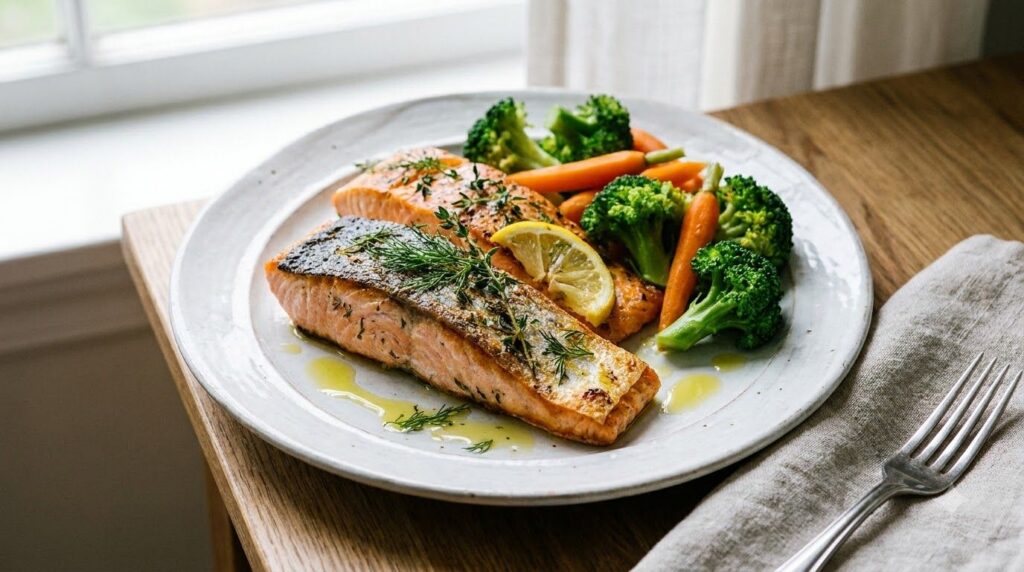 Enjoying salmon and vegetables prepared with nutrient-preserving cooking methods.
Why Cooking Methods Matter: A Deeper Dive into Nutrient Preservation
The infographic clearly illustrates that cooking methods are not created equal when it comes to nutrient preservation. Here’s a closer look at the science behind these impacts:
- Water-Soluble Vitamin Loss (Boiling): Nutrients like Vitamin C and many B vitamins are water-soluble, meaning they dissolve in water. When foods are boiled, especially for extended periods or in excessive water, these vitamins can leach out into the cooking liquid and be discarded. This is why boiling often leads to significant losses compared to methods that use less water or no water contact.
- Fat-Soluble Vitamin Bioavailability (Steaming & Roasting): In contrast, fat-soluble vitamins (like Beta-carotene/Vitamin A in carrots) and some antioxidants can sometimes become more bioavailable after cooking. Heat can help break down plant cell walls, potentially releasing these nutrients. When roasting with a healthy oil, the presence of fat can also aid in their absorption, making them more accessible to your body.
- Increased Calories and Unhealthy Fats (Frying): Frying, particularly deep-frying, introduces significant amounts of cooking oil, leading to a dramatic increase in calorie density. If unhealthy oils are used or if oils are heated past their smoke point, harmful compounds can form, diminishing the overall nutritional quality despite potentially enhancing flavor.
- Optimal Cooking Duration and Temperature: Quicker cooking at appropriate temperatures tends to preserve more heat-sensitive nutrients. Overcooking, regardless of the method, can degrade nutrients and reduce palatability.
By choosing wisely, you can significantly enhance the nutrient profile of your meals and contribute to better overall health.
Practical Tips for Nutrient-Smart Cooking
Empower your healthy eating journey with these practical tips:
- Embrace Steaming: For vegetables like broccoli, spinach, and potatoes, steaming is often the best choice for retaining water-soluble vitamins. Invest in a good steamer basket or use a microwave with a splash of water for quick steaming.
- Favor Roasting: Carrots, potatoes, chicken, and salmon benefit greatly from roasting. Use healthy fats like olive oil or avocado oil and avoid excessively high temperatures to prevent nutrient degradation. Roasting can also be a fantastic method for meal prep.
- Minimize Boiling: If you must boil vegetables, use minimal water and avoid overcooking. Consider using the nutrient-rich cooking water as a base for soups or sauces instead of discarding it.
- Limit Frying: While occasional indulgence is fine, regular consumption of fried foods can negatively impact your nutrient intake and calorie count. Opt for air-frying or pan-frying with minimal healthy oil if you crave that crispy texture.
- Cook in Batches: Prepare larger portions of steamed or roasted vegetables and lean proteins to have healthy options readily available throughout the week, simplifying your healthy meal prep.
Making small adjustments to your cooking habits can lead to significant long-term health benefits, enhancing the nutrition tips you already follow.
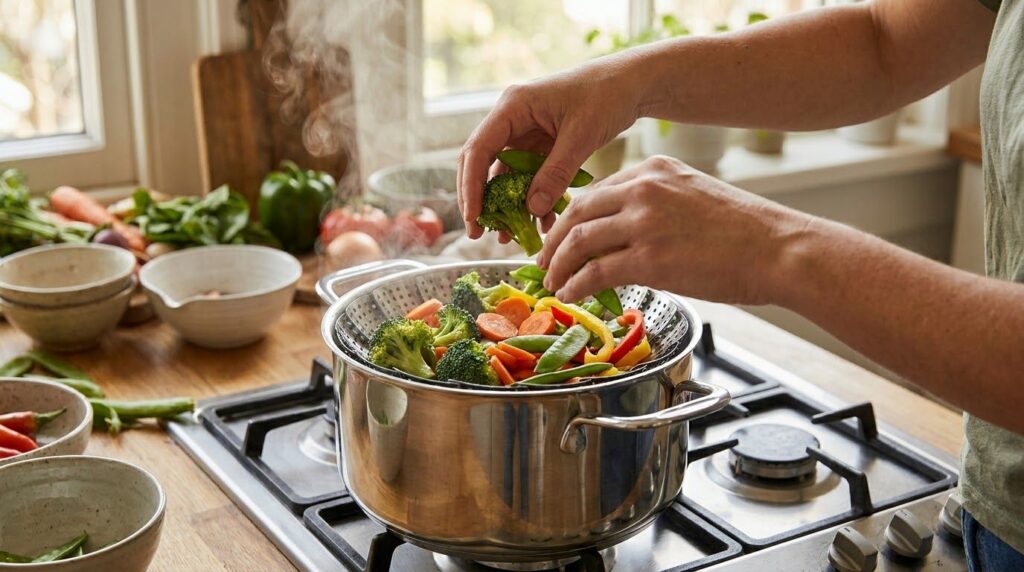 Steaming is an excellent way to preserve delicate nutrients in your favorite vegetables.
Final Thoughts
The impact of your cooking method dramatically alters food nutrients, and understanding this relationship is a powerful step towards a healthier lifestyle. By prioritizing gentle cooking methods like steaming and roasting, you can unlock the full nutritional potential of your ingredients, ensuring your body receives the vitamins, minerals, and beneficial compounds it needs. Making conscious choices in the kitchen empowers you to eat smarter, feel better, and genuinely nourish your body.
Medical Disclaimer
This article is for informational purposes only and does not constitute medical advice. Always consult with a qualified healthcare professional or registered dietitian before making significant changes to your diet or health regimen.