Are your plants looking a little lackluster, growing slowly, or struggling with pests? Instead of reaching for chemical solutions, you might have the secret to a thriving garden right in your kitchen! This simple, homemade plant fertilizer uses everyday scraps to nourish your plants, strengthen their roots, and even help deter common pests naturally.
It’s an eco-friendly way to give your green friends the boost they need, turning what might be waste into valuable plant food. Plus, it’s incredibly satisfying to see your plants flourish with a little help from your own DIY efforts!
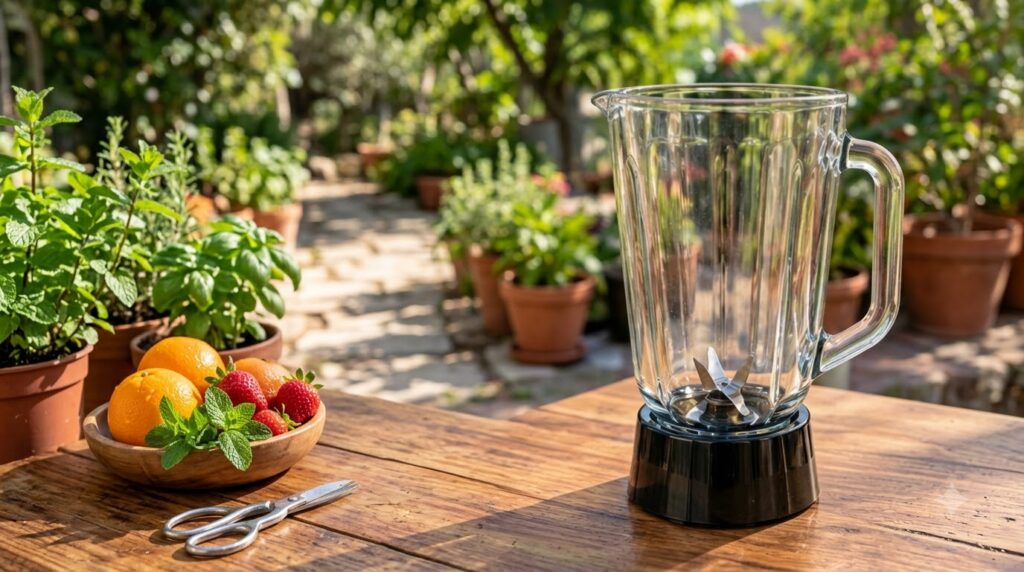
What You’ll Need
Gather these simple ingredients and tools:
Ingredients:
- 1 whole egg
- 1 banana peel (from one medium banana)
- 2-3 tablespoons used coffee grounds (or fresh)
- 1 teaspoon ground cinnamon
- 1 liter (about 4 cups) water
Tools:
- Blender
- Large mixing bowl or pitcher
- Watering can
Why This DIY Can Be Useful
Each ingredient in this fertilizer plays a role in supporting your plants:
- Egg: Eggs are a good source of calcium, which is vital for building strong plant cell walls, and protein, essential for overall growth.
- Banana Peel: Rich in potassium, banana peels encourage strong flowering and fruiting, and provide phosphorus, which is crucial for healthy root development.
- Coffee Grounds: Used coffee grounds add nitrogen to the soil, promoting lush, leafy green growth. They can also slightly acidify the soil, which benefits certain plants.
- Cinnamon: Beyond its aromatic qualities, cinnamon acts as a natural antifungal agent and can deter common garden pests. Some gardeners also believe it can encourage root growth.
How to Make It
Making this fertilizer is quick and easy:
- Prepare the Banana Peel: Tear the banana peel into several smaller pieces. This will help it blend more easily.
- Combine Ingredients: Place the torn banana peel, the whole egg (shell included!), coffee grounds, and ground cinnamon into your blender.
- Add Water: Pour 1 liter of water into the blender with the other ingredients.
- Blend Until Smooth: Secure the lid and blend the mixture on high speed until it’s as smooth as possible. There might be some small flecks of banana peel or eggshell, which is perfectly fine.
- Pour and Store: Carefully pour the blended mixture into a large mixing bowl or pitcher. It’s now ready to use!
How to Use It
Applying your homemade fertilizer is simple:
- Dilute (Optional but Recommended): While you can use it undiluted in small quantities, for general watering, it’s often best to dilute the mixture with an equal part of water (e.g., 1 cup of fertilizer to 1 cup of water). This ensures it’s not too strong for delicate plants.
- Apply to Soil: Water your plants at the base, around the root zone, just as you would with regular water. Avoid pouring it directly onto the leaves, as it can sometimes leave a residue.
- Frequency: Use this fertilizer once every 2-4 weeks during your plants’ active growing season. For dormant plants or during winter, reduce frequency or stop altogether.
- Target Plants: This fertilizer is suitable for most indoor and outdoor plants, including flowering plants, vegetables, and leafy greens.
What to Expect
With consistent use, you can expect to see a gradual improvement in your plants’ health. Look for more vibrant green leaves, stronger stems, and potentially increased flowering or fruiting. You may also notice your plants becoming more resistant to minor pest issues. Remember, results won’t be instantaneous; natural fertilizers work by improving soil health over time, leading to healthier plants.
Helpful Tips
- Store Smart: If you have any leftover fertilizer, store it in a sealed container in the refrigerator for up to one week. Agitate or shake it well before each use.
- Fresh is Best: While you can use fresh coffee grounds, used grounds are perfectly fine and an excellent way to recycle.
- Watch Your Plants: Pay attention to how your plants react. If you notice any yellowing or stress, reduce the frequency or dilute the mixture further.
Important Notes / Safety
- Smell: This natural fertilizer may have a slightly earthy or fermented smell, especially if stored for a few days. This is normal but can be noticeable indoors.
- Patch Test: If you’re unsure how a particular plant will react, test a small amount on a single plant before applying it to your entire collection.
- Avoid Over-Fertilizing: Even natural fertilizers can be overused. Stick to the recommended frequency to prevent nutrient overload.
- Good Drainage: Ensure your pots have good drainage to prevent the fertilizer from sitting and potentially causing root rot.