Imagine plucking a sweet, sun-ripened fig straight from your own tree, right in your backyard or even on your balcony! Figs are truly nature’s sweet gifts, offering a delightful taste of the Mediterranean, and the good news is, you don’t need a sprawling orchard to enjoy them. With a little know-how, you can cultivate these delicious fruits even in small spaces, bringing a touch of natural beauty and an abundance of flavor to your home.
Why Grow Figs at Home?
Growing your own figs offers a multitude of benefits:
- Unbeatable Freshness: Store-bought figs can’t compare to the succulent, ripe taste of a fig picked moments before you eat it.
- Rewarding Experience: There’s immense satisfaction in nurturing a plant from a small start to a fruit-bearing tree.
- Beautiful Foliage: Fig trees are attractive plants with unique, lobed leaves that add a lush, tropical feel to any garden or patio.
- Surprisingly Easy: Figs are relatively low-maintenance once established and can thrive in various climates, especially when grown in containers.
- Health Benefits: Figs are packed with fiber, essential minerals, and vitamins, making them a healthy addition to your diet.
Choosing the Right Fig Variety
Not all fig varieties are created equal, especially when it comes to home gardening and container growing. Look for varieties known for being:
- Self-pollinating: Most home garden varieties are, meaning you only need one tree to get fruit.
- Dwarf or Compact: Varieties like ‘Brown Turkey’, ‘Chicago Hardy’, ‘Celeste’, and ‘Kadota’ are popular choices that perform well in pots and are more cold-tolerant.
- Prolific: Some varieties produce two crops a year – an early crop (breba crop) on old wood and a main crop on new wood.
Container Gardening Essentials for Fig Trees
Growing figs in containers is an excellent option for those with limited space, colder climates (allowing you to move the plant indoors), or simply to control the tree’s size.
1. Pot Size and Material
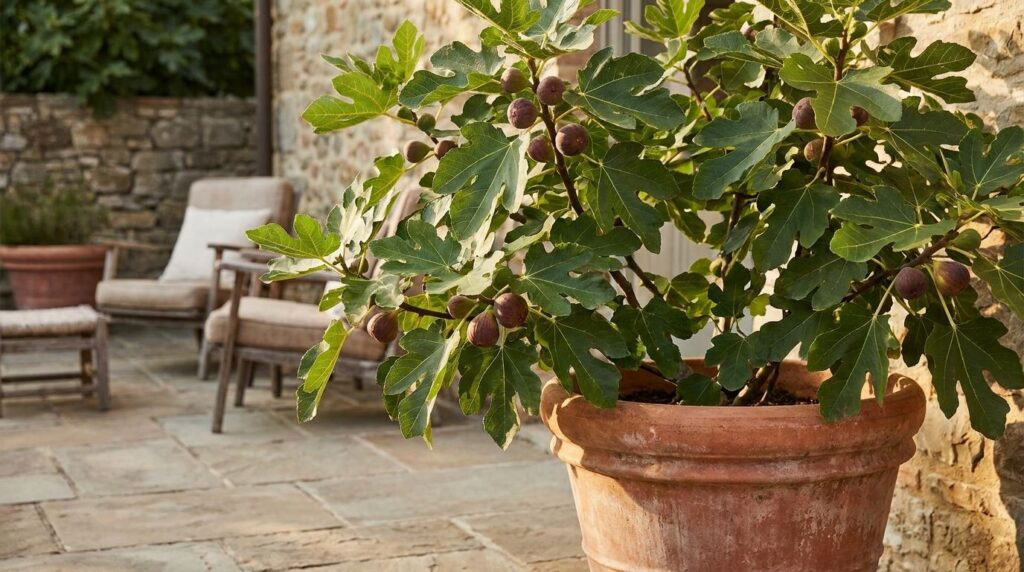
Start with a pot that’s at least 15-gallon (about 18-24 inches in diameter) for a young tree, eventually moving up to a 25-gallon or larger as it matures. Terracotta pots are great for drainage and air circulation, but any pot with good drainage holes will work. Just ensure it’s sturdy enough to handle the tree’s weight.
2. Soil Mix
Figs need well-draining soil. A good quality potting mix amended with some compost or perlite will provide the nutrients and drainage your fig tree craves. Avoid heavy garden soil, which can compact and lead to root rot in containers.
3. Sunlight Requirements
Figs are sun-lovers! They need at least 6-8 hours of full sun per day to produce abundant, sweet fruit. Position your potted fig in the sunniest spot on your balcony, patio, or garden.
4. Watering
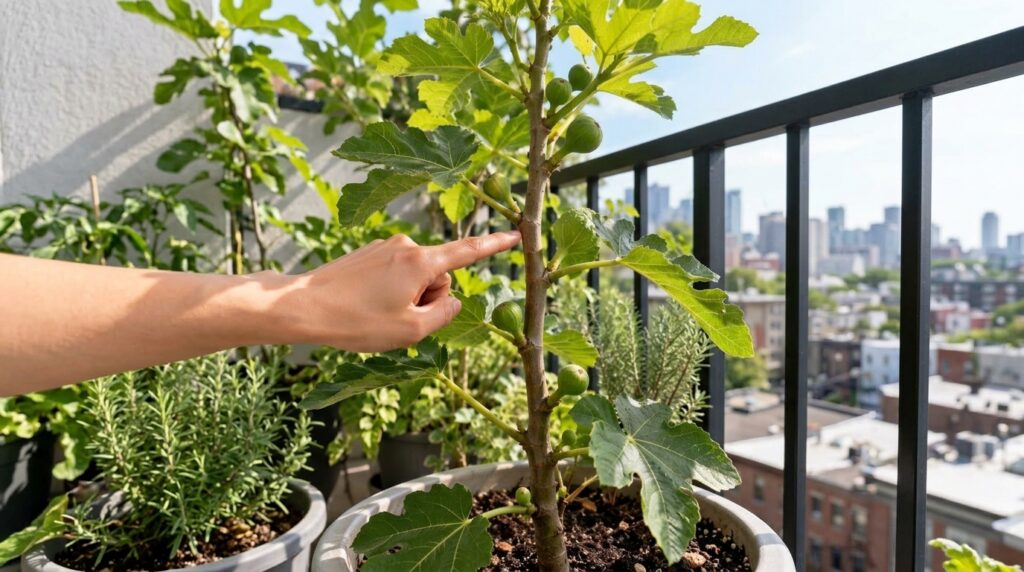
Container figs dry out faster than in-ground trees. Water deeply and consistently, especially during warm weather and when the fruit is developing. The soil should be consistently moist but not waterlogged. Check the soil moisture by sticking your finger about an inch or two deep – if it feels dry, it’s time to water.
5. Fertilizing
Feed your fig tree every 4-6 weeks during the growing season (spring and summer) with a balanced, slow-release fertilizer or an organic option like compost tea. Reduce feeding in late summer to allow the tree to harden off before winter.
Planting Your Fig Tree
- Prepare the Pot: Ensure your chosen pot has drainage holes. Add a layer of gravel or broken pottery at the bottom for extra drainage (optional, but can help).
- Add Soil: Fill the pot partially with your well-draining potting mix.
- Position the Tree: Carefully remove your fig tree from its nursery container. Loosen any circling roots at the bottom. Place the tree in the new pot so that the top of the root ball is level with the surrounding soil.
- Fill and Water: Fill the rest of the pot with soil, gently firming it around the roots. Water thoroughly until water drains from the bottom.
Care and Maintenance Tips
Pruning for Success
Pruning is essential for maintaining a manageable size, promoting fruit production, and ensuring good air circulation. Prune your fig tree during its dormant season (late winter or early spring) before new growth appears. Remove any dead, damaged, or crossing branches. You can also prune to shape the tree and encourage a bushier habit.
Pest and Disease Management
Figs are generally hardy, but keep an eye out for common pests like spider mites, scale, or mealybugs. Organic pest control methods, such as neem oil or insecticidal soap, can be effective. Good air circulation and proper watering can help prevent fungal diseases.
Winter Care for Potted Figs
If you live in a region with cold winters (where temperatures consistently drop below 20°F / -7°C), you’ll need to protect your potted fig tree. Bring it indoors to a cool, unheated garage, basement, or shed where temperatures stay above freezing. Reduce watering significantly during dormancy – just enough to keep the soil from completely drying out. In warmer climates, you might only need to insulate the pot or move it to a sheltered location.
Harvesting Your Homegrown Figs
The most exciting part! Figs are typically ready to harvest when they:
- Change color (from green to purple, brown, or yellow, depending on the variety).
- Become soft to the touch.
- Hang limply from the branch.
- Often develop a small crack in the skin.
Pick them gently by twisting the stem. Figs don’t ripen further once picked, so wait until they’re perfectly ripe on the tree for the best flavor. Enjoy them fresh, or use them in jams, salads, desserts, or dried.
Start Your Fig Journey Today!
Growing figs at home is a rewarding endeavor that connects you with nature and provides you with some of the most delicious fruit you’ll ever taste. Whether you have a spacious garden or a cozy balcony, a fig tree can thrive and become a beloved part of your home oasis. So, why wait? Embrace the joy of homegrown figs and savor nature’s sweet gifts, right at your fingertips!