Ever wondered how to get your vegetables perfectly cooked? It’s a common kitchen challenge! Overcooked veggies can become mushy and lose their vibrant color and essential nutrients, while undercooked ones might be unappealingly crunchy.
Learning the right way to prepare your produce can transform your meals. You’ll enjoy crispier textures, brighter flavors, and get the most nutritional benefit from every bite. This guide will walk you through optimal cooking methods and times for nine popular vegetables, helping you cook smarter and eat healthier!
Why Cooking Vegetables Right Matters
The way you cook your vegetables significantly impacts their nutritional value, taste, and texture. Here’s why it’s worth paying attention:
- Nutrient Retention: Many vitamins and minerals are sensitive to heat and water. Overcooking or boiling can leach out water-soluble vitamins like C and B vitamins. Proper cooking preserves more of these valuable nutrients.
- Enhanced Flavor and Texture: Perfectly cooked vegetables are a delight. They offer a pleasant crunch, tender bite, or silky smoothness that enhances the overall meal experience.
- Digestibility: Cooking can break down tough fibers, making vegetables easier for your body to digest and absorb their goodness.
Your Guide to Perfectly Cooked Vegetables
Here’s a quick reference to help you cook your favorite vegetables to perfection:
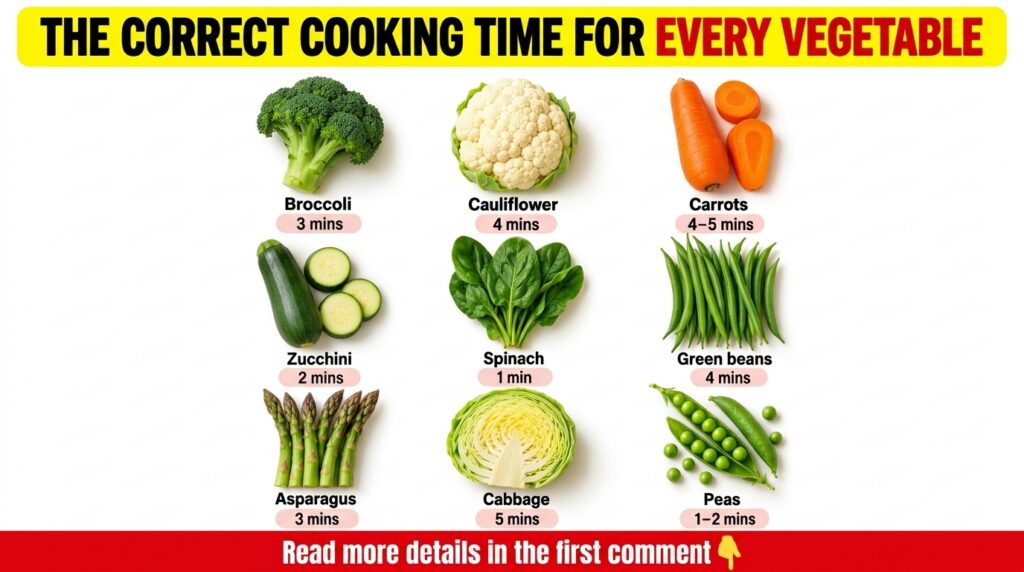
| Vegetable | Best Method(s) | Approximate Time | Key Benefit |
|---|---|---|---|
| Broccoli | Steam, Roast, Sauté | 3-7 minutes | Rich in Vitamin C & K |
| Cauliflower | Steam, Roast, Sauté | 5-10 minutes | High in Fiber & Antioxidants |
| Carrots | Steam, Roast, Sauté | 5-10 minutes | Excellent source of Vitamin A |
| Zucchini | Sauté, Grill, Roast | 3-10 minutes | Low in Calories, Hydrating |
| Spinach | Sauté, Steam | 1-2 minutes | Packed with Iron & Folate |
| Green Beans | Steam, Sauté, Blanch | 3-7 minutes | Good source of Vitamin K & C |
| Asparagus | Steam, Roast, Sauté | 3-15 minutes | High in Vitamin K & Folate |
| Cabbage | Sauté, Steam, Roast | 5-15 minutes | Rich in Vitamin C & Fiber |
| Peas | Steam, Quick Boil | 1-4 minutes | Good source of Protein & Fiber |
Let’s dive a little deeper into how to handle each one for maximum deliciousness and nutrition.
Broccoli
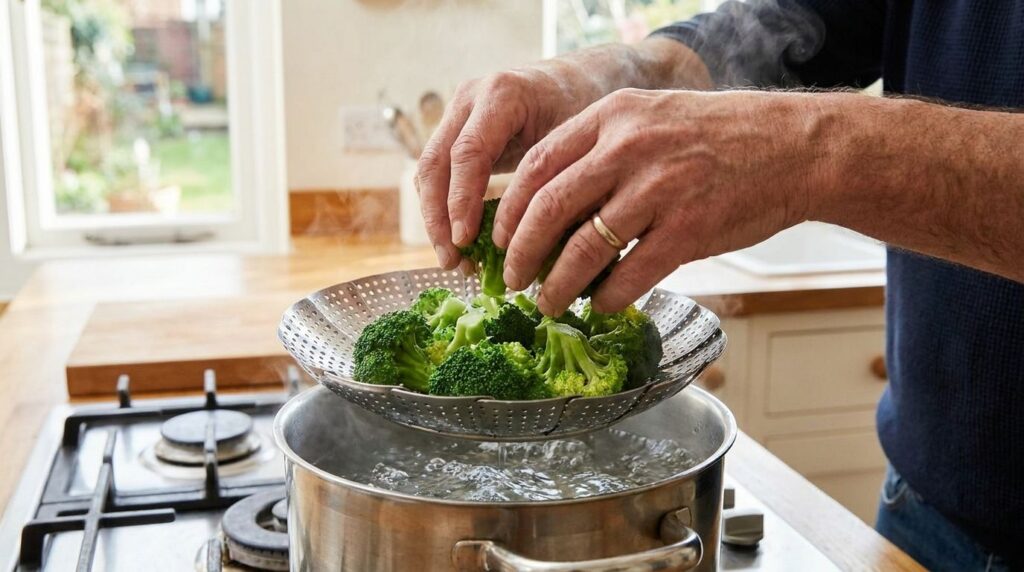
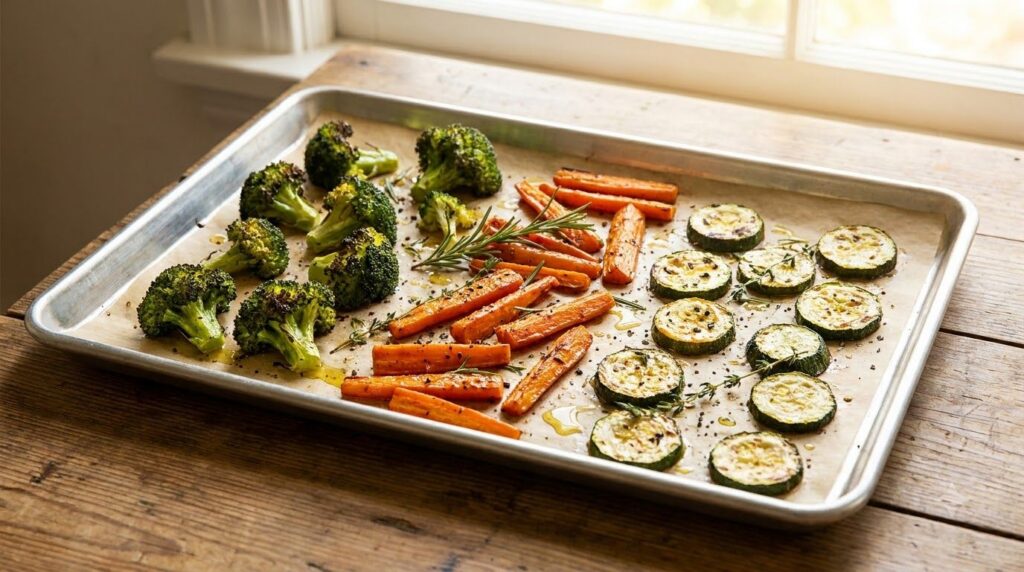
Broccoli is a nutritional powerhouse. For a bright green, slightly crisp result, steaming for 3-5 minutes is ideal. If you prefer a richer flavor, roasting florets with a little olive oil, salt, and pepper at 400°F (200°C) for 15-20 minutes also works wonderfully.
Cauliflower
Similar to broccoli, cauliflower thrives with steaming or roasting. Steam florets for 5-8 minutes until tender-crisp. Roasting at 400°F (200°C) for 20-25 minutes brings out its nutty flavor, especially if you get some lovely browning.
Carrots
Carrots are fantastic when steamed for 5-7 minutes (sliced) or 8-10 minutes (baby carrots) to preserve their sweetness and Vitamin A. Roasting at 400°F (200°C) for 20-25 minutes with a touch of honey or maple syrup can caramelize them beautifully.
Zucchini
Zucchini cooks very quickly. Sautéing slices or ribbons in a hot pan with a little oil for 3-5 minutes is perfect. Grilling zucchini planks for 2-3 minutes per side also yields a delicious smoky flavor.
Spinach
This delicate leafy green needs minimal cooking. A quick sauté in a hot pan with garlic for 1-2 minutes until just wilted is all it takes. Steaming it lightly for about 1 minute is also great for nutrient retention.
Green Beans
For vibrant, tender-crisp green beans, steaming for 5-7 minutes or blanching in boiling water for 2-3 minutes, then plunging into ice water, are excellent methods. Sautéing with a little garlic and almonds is also a classic.
Asparagus
Asparagus spears are best when steamed for 3-5 minutes or roasted with olive oil at 400°F (200°C) for 10-15 minutes, depending on thickness. You want them tender but still slightly firm.
Cabbage
Shredded cabbage can be quickly sautéed for 5-10 minutes for a tender-crisp texture. Steaming wedges for 5-8 minutes or roasting for 20-30 minutes until tender and slightly browned are also great options.
Peas
Peas cook incredibly fast. A quick boil for 1-3 minutes or steaming for 2-4 minutes is sufficient. They’re best when still bright green and sweet, not mushy.
Common Mistakes to Avoid
Even seasoned cooks can make these common vegetable cooking errors:
- Overcooking: This is the most frequent culprit. It leads to mushy textures, dull colors, and nutrient loss.
- Using Too Much Water: Especially when boiling, excessive water can leach out water-soluble vitamins. Use minimal water when steaming or opt for other methods.
- High Heat for Delicate Greens: Spinach and other tender greens wilt quickly. High, prolonged heat can turn them bitter and nutrient-depleted.
- Uneven Cuts: If your vegetables are cut into different sizes, they will cook at different rates, leading to some being overcooked while others are undercooked.
Practical Tips for Maximizing Veggie Goodness
Here are some simple tips to ensure your vegetables always shine:
- Cut Uniformly: Always cut your vegetables into similar-sized pieces so they cook evenly.
- Don’t Overcrowd the Pan: Whether sautéing or roasting, give your vegetables space. Overcrowding leads to steaming instead of browning, resulting in less flavor and crispness.
- Season Simply: A little olive oil, salt, and pepper are often all you need. Lemon juice, fresh herbs, or a sprinkle of chili flakes can add a wonderful fresh pop.
- Cook Al Dente: Aim for vegetables that are tender-crisp, meaning they still have a slight bite to them. This indicates they haven’t been overcooked.
- Blanching & Shocking: For a super vibrant color and crisp texture, especially for green vegetables, blanch them briefly in boiling salted water, then immediately plunge them into ice water to stop the cooking process.
FAQs
Does boiling destroy nutrients in vegetables?
Boiling can cause some water-soluble vitamins (like Vitamin C and B vitamins) to leach into the cooking water. To minimize this, use less water, cook for shorter periods, or opt for steaming, sautéing, or roasting.
What’s the healthiest way to cook vegetables?
Steaming, sautéing, and roasting are generally considered very healthy methods. They use minimal added fat and help retain nutrients. Air frying is another great option.
How can I make my kids eat more vegetables?
Make them fun! Offer a variety of colors, cut them into interesting shapes, serve them with a healthy dip, or incorporate them into dishes they already love, like pasta sauces or smoothies. Leading by example is also key.
Can I cook frozen vegetables the same way as fresh?
Many frozen vegetables can be cooked similarly to fresh, often requiring slightly less time as they are typically blanched before freezing. Avoid thawing them completely before cooking to prevent sogginess.
What does “al dente” mean for vegetables?
“Al dente” means “to the tooth” in Italian. For vegetables, it means they are cooked until they are tender but still firm to the bite, not soft or mushy.
Conclusion
Cooking vegetables perfectly doesn’t have to be complicated. By understanding a few simple techniques and paying attention to cooking times, you can elevate your meals, boost your nutrient intake, and enjoy the true flavors and textures of fresh produce. Experiment with different methods, find what you love, and make every veggie dish a delicious and healthy success!
Explore more healthy food content and recipes on our website to continue your journey towards a healthier lifestyle!
This content is for educational purposes only and should not be considered medical advice. Consult a qualified healthcare professional for personalized dietary recommendations.