Boiled eggs are a kitchen staple, a versatile ingredient that can elevate any meal. Whether you prefer a custardy yolk or a perfectly firm one, mastering the art of boiling an egg is a simple skill that can boost your cooking confidence.
This guide will walk you through everything you need to know to achieve your desired boiled egg consistency every single time. We’ll cover precise cooking times, essential tips, and the nutritional power packed into each humble egg. Get ready to make the perfect boiled egg for breakfast, lunch, or a healthy snack!
Why Boiled Eggs Are a Nutritional Powerhouse
Eggs are a fantastic source of high-quality protein, essential for muscle repair, growth, and overall body function. They also offer a wealth of vitamins and minerals, making them a nutritious choice for any meal.
- Protein: Packed with all nine essential amino acids.
- Vitamins: Rich in Vitamin D, B12, A, and E.
- Minerals: A good source of iron, zinc, and selenium.
- Choline: Important for brain health and metabolism.
Plus, they’re incredibly satisfying, helping you feel fuller for longer and potentially aiding in weight management. They are truly a healthy, affordable, and easy-to-prepare food.
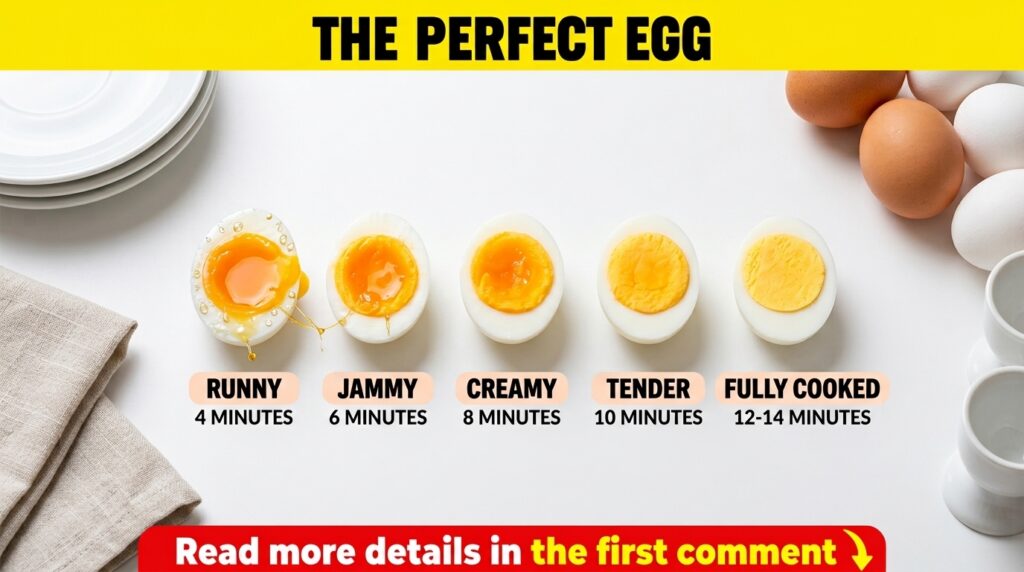
Achieving Your Perfect Yolk: A Time Guide
The secret to a perfect boiled egg lies in precise timing. A few minutes can make all the difference between a runny, jammy, or firm yolk. Here’s a simple guide to help you achieve your preferred texture, starting with eggs placed in cold water.
| Yolk Consistency | Approx. Cook Time (Minutes) | Description |
|---|---|---|
| Very Runny | 4-5 | Liquid yolk, barely set whites. Great for dipping toast. |
| Runny | 6 | Soft, flowing yolk with firm whites. Classic dippy egg. |
| Jammy / Soft-Boiled | 7-8 | Custardy, slightly thick yolk with fully set whites. Ideal for salads or avocado toast. |
| Medium-Boiled | 9-10 | Creamy, almost firm yolk with a hint of softness in the center. Easy to slice. |
| Hard-Boiled | 11-12 | Fully firm, pale yellow yolk with solid whites. Perfect for egg salad or deviled eggs. |
Step-by-Step Instructions for Perfect Boiled Eggs
- Place Eggs in Pot: Gently place your eggs in a single layer at the bottom of a saucepan.
- Cover with Cold Water: Add enough cold water to cover the eggs by about an inch.
- Bring to a Boil: Place the pot on high heat and bring the water to a rolling boil.
- Remove from Heat: Once boiling, immediately remove the pot from the heat. Cover it with a lid.
- Let Stand (Timer is Key!): Set a timer for your desired doneness (refer to the table above).
- Prepare Ice Bath: While eggs are cooking, prepare a large bowl of ice water.
- Transfer to Ice Bath: As soon as the timer goes off, use a slotted spoon to transfer the eggs to the ice bath. This stops the cooking process and makes them easier to peel.
- Cool and Peel: Let the eggs cool in the ice bath for at least 5-10 minutes. Peel them under cool running water for easier removal.
Common Mistakes to Avoid
Even though boiling an egg seems simple, a few common errors can lead to less-than-perfect results.
- Overcooking: This can result in a rubbery white and a greenish-gray ring around the yolk, indicating sulfur compounds.
- Cracked Shells: Starting with eggs at room temperature or adding a pinch of salt to the water can help prevent cracking. Don’t drop them too hard into the pot!
- Difficult Peeling: Older eggs tend to peel more easily than very fresh ones. The ice bath also helps create a small gap between the egg and the shell, making peeling smoother.
Delicious Ways to Enjoy Boiled Eggs
Once you’ve mastered the perfect boil, the culinary possibilities are endless!
- Classic Breakfast: A simple soft-boiled egg with toast soldiers.
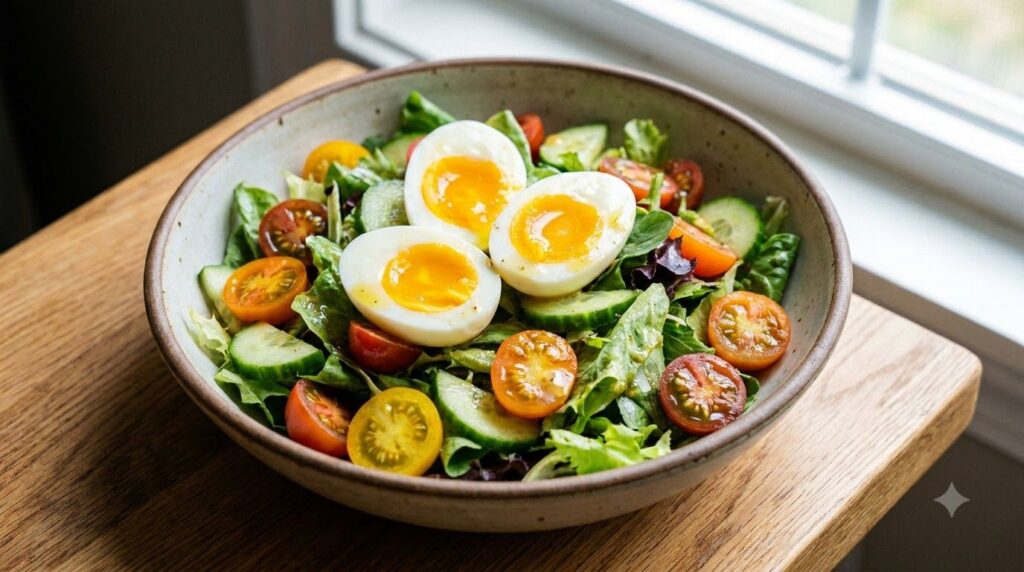
- Salads: Hard-boiled eggs add protein and creaminess to garden salads or Cobb salads.
- Sandwiches & Wraps: Sliced or chopped for egg salad sandwiches.
- Snacks: A grab-and-go protein boost for busy days.
- Deviled Eggs: A crowd-pleasing appetizer for any gathering.
- Ramen & Noodle Bowls: A jammy egg is a quintessential topping for many Asian-inspired dishes.
Practical Tips for Boiled Egg Success
- Use Older Eggs: Eggs that are about a week old tend to peel much more easily.
- Add Salt or Vinegar: A teaspoon of salt or vinegar to the boiling water can help seal any cracks that may form, preventing the egg white from escaping.
- Don’t Overcrowd the Pot: Give your eggs space to cook evenly.
- Store Properly: Peeled hard-boiled eggs can be stored in the refrigerator in an airtight container for up to 5-7 days. Unpeeled eggs last even longer.
FAQs About Boiled Eggs
How can I tell if an egg is hard-boiled without cracking it?
Spin the egg on a flat surface. A hard-boiled egg will spin rapidly and smoothly, while a raw or soft-boiled egg will wobble due to its liquid interior.
Why do my hard-boiled eggs have a green ring around the yolk?
This green-gray ring is a harmless chemical reaction from overcooking. It’s caused by sulfur and iron compounds in the egg reacting at high temperatures. An ice bath helps prevent this by stopping the cooking process quickly.
Can I make boiled eggs in advance for meal prep?
Absolutely! Hard-boiled eggs are excellent for meal prep. You can boil a batch at the beginning of the week and store them in their shells in the refrigerator for up to 7 days.
What’s the best way to peel a boiled egg?
After an ice bath, gently tap the egg on a hard surface all around its circumference, then roll it to create small cracks. Start peeling from the wider end, where an air pocket usually forms, under cool running water.
Are boiled eggs truly healthy?
Yes, boiled eggs are very healthy! They are low in calories, high in protein, and rich in essential vitamins and minerals. They contribute to satiety and provide important nutrients for overall health.
Conclusion
Mastering the boiled egg is a simple yet rewarding skill that opens up a world of healthy meal and snack options. With this guide, you now have the knowledge and tips to achieve your perfect yolk every single time. Experiment with different cooking times and discover your favorite way to enjoy this nutritional powerhouse.
So go ahead, grab some eggs, and start boiling! Your taste buds and your body will thank you. For more healthy cooking inspiration and nutrition facts, explore our other articles on the site.
This content is for educational purposes only and should not be considered medical advice. Consult a qualified healthcare professional for personalized dietary recommendations.