Do you ever grab a quick snack, only to find yourself rummaging through the pantry again a short while later? You’re not alone! Many common snacks provide a quick burst of energy but leave us feeling hungry far too soon. The secret to lasting fullness and sustained energy often lies in how we combine our foods.
This guide will teach you the art of smart snacking by focusing on strategic food pairings that help you feel satisfied longer. You’ll learn which nutrients make the biggest difference and discover delicious, easy ideas to keep hunger at bay. Get ready to transform your snacking habits and boost your energy throughout the day!
The Science Behind Lasting Fullness
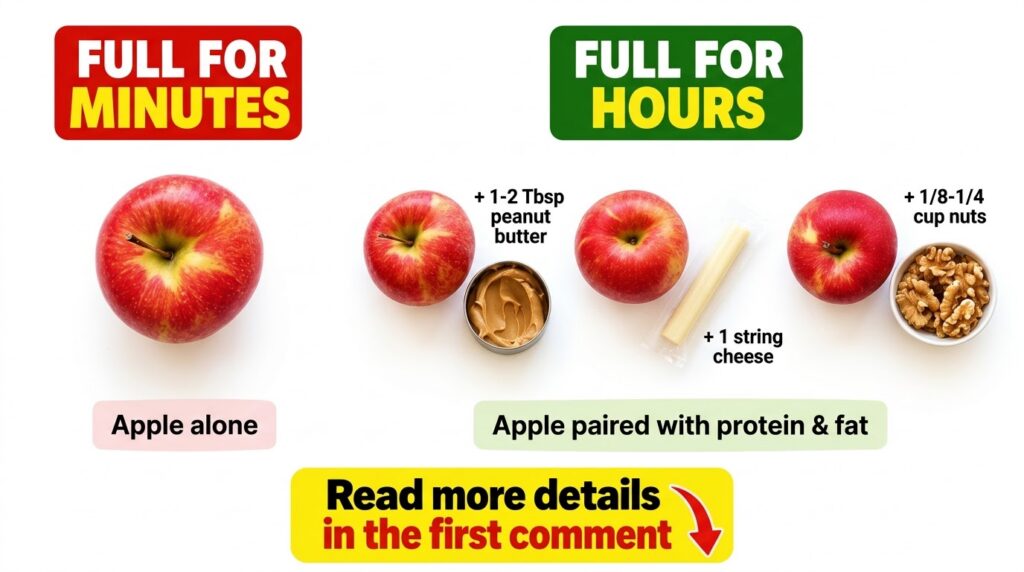
Feeling full and satisfied isn’t just about the quantity of food; it’s about the quality and combination of nutrients. When you pair certain macronutrients, you create a powerful synergy that slows digestion, stabilizes blood sugar, and sends signals to your brain that you’re well-fed.
Protein: Your Satiety Powerhouse
Protein is arguably the most satiating macronutrient. It takes longer to digest than carbohydrates, which means it stays in your stomach for an extended period, promoting a feeling of fullness. Protein also stimulates the release of satiety hormones like peptide YY and GLP-1, signaling to your brain that you’ve eaten enough. Including protein in your snacks can significantly reduce hunger and prevent overeating at your next meal.
Healthy Fats: Sustained Energy and Satisfaction
Healthy fats, found in foods like avocados, nuts, seeds, and olive oil, also contribute to satiety by slowing down stomach emptying. While protein primarily signals fullness, fats help sustain that feeling over a longer duration. They don’t cause a rapid rise in blood sugar, which prevents the subsequent crash that can leave you feeling hungry and sluggish. Fats also make snacks more enjoyable and flavorful.
Fiber: The Digestive Workhorse
Fiber, particularly soluble fiber, absorbs water and forms a gel-like substance in your digestive tract. This slows digestion and nutrient absorption, contributing to a feeling of fullness. Found abundantly in fruits, vegetables, whole grains, and legumes, fiber adds bulk to your snacks without adding many calories. It also supports digestive health and helps regulate blood sugar levels.
Smart Snack Pairings for Lasting Fullness
Here are some of our favorite combinations that leverage the power of protein, healthy fats, and fiber to keep you feeling full and energized.
- Apple Slices with Peanut Butter or Almond Butter: A classic for a reason! The fiber in the apple combined with the protein and healthy fats in the nut butter provides a perfectly balanced snack.
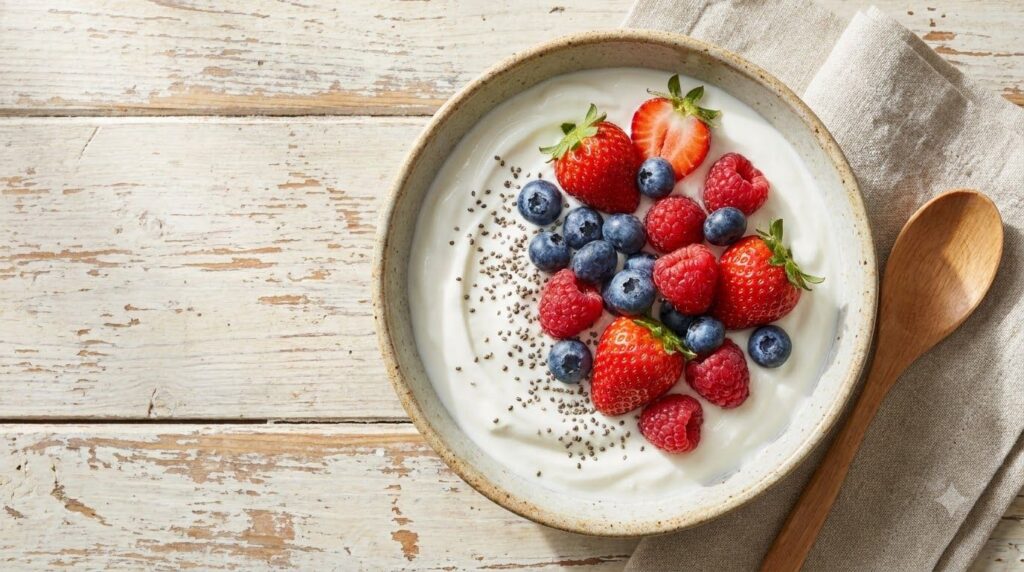
- Greek Yogurt with Berries and Chia Seeds: Greek yogurt is packed with protein. Adding fiber-rich berries and omega-3-rich chia seeds creates a satisfying and nutrient-dense snack.
- Hard-Boiled Eggs and Whole-Grain Crackers: Eggs are an excellent source of complete protein. Pair them with a few whole-grain crackers for added fiber and carbohydrates.
- Vegetable Sticks with Hummus: Crunchy carrots, celery, and bell peppers offer fiber and vitamins, while hummus provides plant-based protein and healthy fats.
- Cottage Cheese with Sliced Cucumber or Tomato: Cottage cheese is a protein powerhouse. Pair it with fresh vegetables for a savory, low-calorie, and filling option.
- Handful of Almonds and an Orange: Almonds provide healthy fats, protein, and fiber, while an orange adds vitamin C and natural sweetness with extra fiber.
Common Snacking Mistakes to Avoid
Even with good intentions, it’s easy to fall into snacking traps that undermine your fullness goals.

