Are you looking to boost your protein intake without relying on meat? You’re in the right place! Protein is a vital macronutrient essential for building and repairing tissues, making enzymes and hormones, and supporting overall health. For vegetarians, finding adequate protein sources can sometimes feel like a puzzle, but it doesn’t have to be.
This article will highlight some of the best high-protein vegetarian foods that are not only nutritious but also incredibly versatile and delicious. We’ll dive into a helpful food chart, compare their nutritional benefits, and give you practical tips to easily incorporate them into your daily meals. Get ready to fuel your body naturally and explore a world of plant-based protein!
High-Protein Vegetarian Food Chart
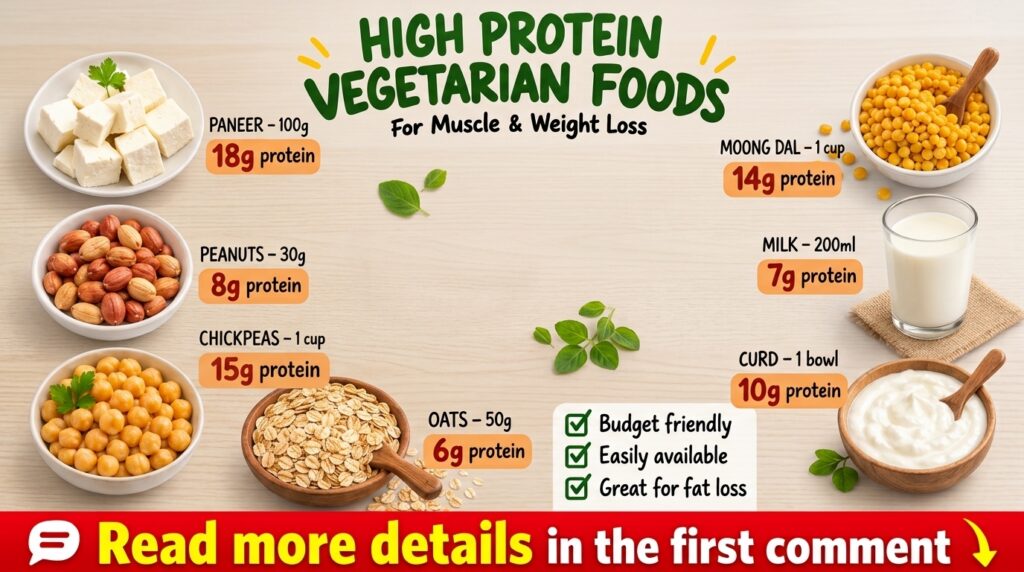
Here’s a quick look at some excellent vegetarian protein sources and their nutritional highlights. Please note that values are approximate and can vary based on preparation and brand.
| Food (approx. per 100g/ml) | Calories | Protein (g) | Carbs (g) | Fat (g) | Fiber (g) | Main Nutrients | Best Benefit |
|---|---|---|---|---|---|---|---|
| Paneer | 290 | 20 | 3 | 22 | 0 | Calcium, B12 | Muscle growth |
| Moong Dal (dry) | 340 | 24 | 60 | 1 | 16 | Folate, Iron | Digestive health |
| Peanuts | 567 | 25 | 16 | 49 | 8.5 | Biotin, Copper | Heart health |
| Milk (whole, 100ml) | 60 | 3.3 | 4.7 | 3.2 | 0 | Calcium, B12 | Bone strength |
| Chickpeas (cooked) | 164 | 9 | 27 | 2.6 | 7.6 | Folate, Iron | Satiety, gut health |
| Curd (plain, 100g) | 80 | 3.5 | 4 | 4.5 | 0 | Probiotics, Calcium | Gut health |
| Oats (dry) | 389 | 13 | 66 | 6.9 | 10 | Manganese, Fiber | Sustained energy |
Nutrition Comparison: What Stands Out?
As you can see from our chart, vegetarian foods offer a fantastic range of protein, often accompanied by other crucial nutrients. For instance:
- Legumes (Moong Dal, Chickpeas): These are superstars for protein and fiber. Moong dal, in its dry form, offers a significant protein punch and is packed with essential minerals like folate and iron. Cooked chickpeas provide a good amount of protein and fiber, promoting satiety and supporting digestive health.
- Dairy (Paneer, Milk, Curd): Paneer is an excellent source of protein and calcium, making it great for muscle and bone health. Milk and curd (yogurt) also contribute protein and calcium, with curd offering the added benefit of probiotics for gut health.
- Nuts (Peanuts): Peanuts are not just high in protein but also rich in healthy fats, fiber, and B vitamins, supporting heart health and providing sustained energy.
- Whole Grains (Oats): While often thought of for carbs and fiber, oats also provide a respectable amount of protein, along with key minerals like manganese, contributing to sustained energy release.
Best Ways to Eat Your Protein-Rich Vegetarian Foods
Incorporating these foods into your diet is easier than you think! Here are some practical ideas:
- Paneer: Enjoy it grilled, in curries, scrambled (paneer bhurji), or even as a high-protein snack.
- Moong Dal: Cook it as a comforting dal soup, sprout it for salads, or use it to make savory pancakes (dosa/cheela).
- Peanuts: Snack on them raw or roasted, add them to stir-fries for crunch, or make homemade peanut butter.
- Milk: Drink it plain, use it in smoothies, or make a protein-rich latte.
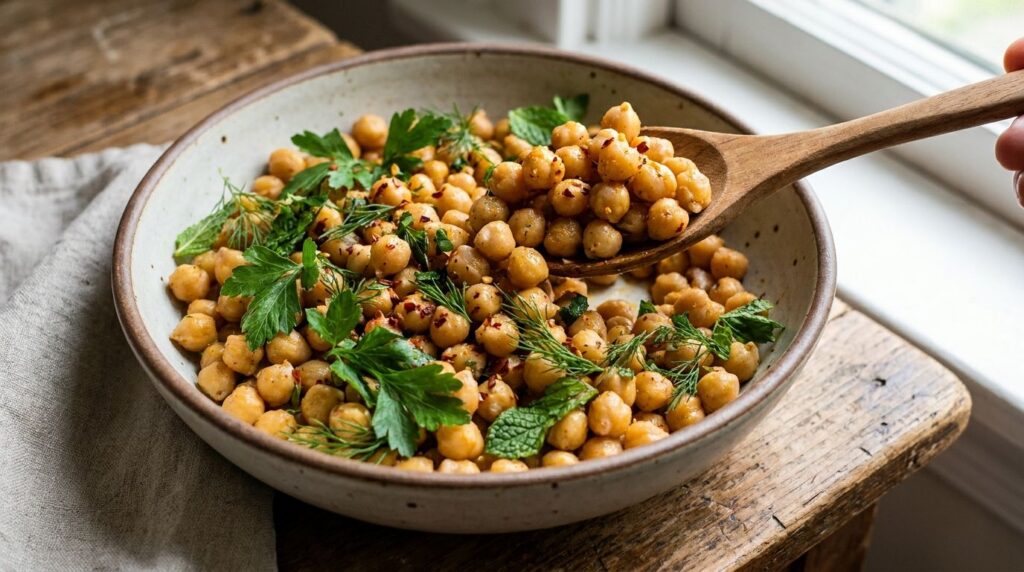
- Chickpeas: Roast them for a crunchy snack, add them to salads, blend them into hummus, or include them in curries and stews.
- Curd (Yogurt): Enjoy it plain, mix with fruits for a parfait, use it as a base for raita, or blend into smoothies.
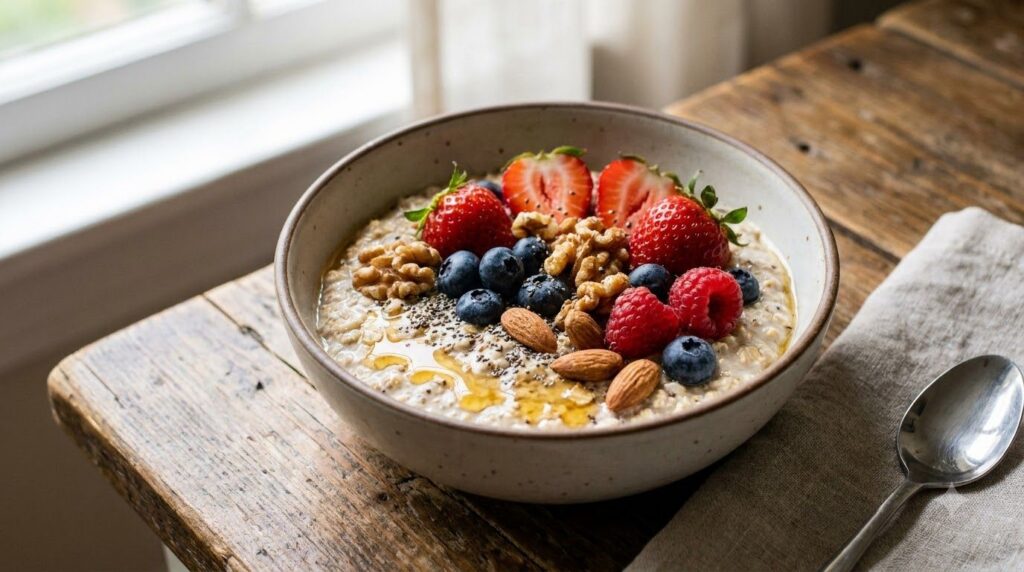
- Oats: Make overnight oats, a warm bowl of oatmeal, or use oat flour in baking for added protein and fiber.
Who Should Eat More High-Protein Vegetarian Foods?
Virtually everyone can benefit from a balanced intake of protein, but certain individuals may find these vegetarian sources particularly helpful:
- Individuals aiming for weight management: Protein and fiber promote satiety, helping you feel full longer and potentially reducing overall calorie intake.
- Athletes and active individuals: Protein is crucial for muscle repair and growth, supporting recovery after exercise.
- Those looking for heart-healthy options: Many plant-based proteins, especially legumes and nuts, are associated with better cardiovascular health.
- People managing blood sugar: The fiber content in many of these foods can help stabilize blood sugar levels.
- Anyone exploring a plant-based diet: These foods provide foundational protein to ensure nutritional completeness.
Practical Tips for a Protein-Rich Vegetarian Diet
- Combine Sources: Mix different protein sources throughout the day. For example, oats with milk and peanuts for breakfast.
- Snack Smart: Keep high-protein snacks like roasted chickpeas, a handful of peanuts, or a small bowl of curd readily available.
- Plan Ahead: Meal prepping legumes like lentils and chickpeas can save time during busy weekdays.
- Spice It Up: Don’t be afraid to experiment with herbs and spices to make your protein-rich meals flavorful and exciting.
- Don’t Forget Variety: Rotate your protein sources to ensure a broad spectrum of nutrients.
FAQs About High-Protein Vegetarian Foods
Q1: Can vegetarians get enough protein without eating meat?
Absolutely! With careful planning and a variety of plant-based sources, vegetarians can easily meet their protein needs. Foods like legumes, nuts, seeds, dairy, and whole grains are excellent protein providers.
Q2: Are plant proteins complete proteins?
While some plant proteins (like quinoa and soy) are complete, meaning they contain all nine essential amino acids, most plant proteins are incomplete on their own. However, by eating a variety of plant proteins throughout the day (e.g., rice and beans, hummus and pita), you can easily get all essential amino acids.
Q3: What are some good high-protein vegetarian breakfast ideas?
Think oatmeal with nuts and seeds, a paneer scramble, a smoothie with milk/curd and peanut butter, or moong dal cheela.
Q4: How much protein do I need daily as a vegetarian?
General guidelines suggest about 0.8 grams of protein per kilogram of body weight for adults. However, individual needs can vary based on age, activity level, and health goals. Consulting a healthcare professional or registered dietitian is always recommended for personalized advice.
Q5: Are these foods good for weight loss?
Many high-protein, high-fiber vegetarian foods like legumes and oats can be very beneficial for weight management. They promote satiety, which can help reduce overall calorie intake.
Q6: Can children safely consume these vegetarian protein sources?
Yes, most of these foods are excellent and safe for children, contributing to their growth and development. Always ensure foods are prepared appropriately for their age (e.g., finely chopped nuts for toddlers).
Conclusion
Embracing a protein-rich vegetarian diet is a fantastic way to nourish your body, support your health goals, and explore a world of delicious flavors. From the versatile paneer and hearty legumes to the crunch of peanuts and the goodness of oats, there’s a wealth of options available to power your day. By understanding the nutritional benefits and incorporating these foods wisely, you can confidently unlock your protein power the vegetarian way.
We hope this guide inspires you to experiment with these fantastic foods and make them a staple in your healthy eating journey. For more insightful articles and healthy recipe ideas, be sure to explore more content on our website!
This content is for educational purposes only and should not be considered medical advice. Consult a qualified healthcare professional for personalized dietary recommendations.