Catunaregam spinosa, also known in some regions as Randia dumetorum, mountain pomegranate, or madanaphala, is a thorny shrub or small tree traditionally used in parts of South and Southeast Asia. It has small white flowers, round green fruits, and sharp branching stems.
In folk medicine, this plant has a strong reputation, but it also needs careful handling. Catunaregam spinosa is not a casual daily tea like mint or ginger. Traditional use often depends on the plant part, preparation method, dose, and the guidance of an experienced herbal practitioner.
Most people notice the fruit first, but traditional healers have used several parts of the plant, including bark, fruit, leaves, and roots.
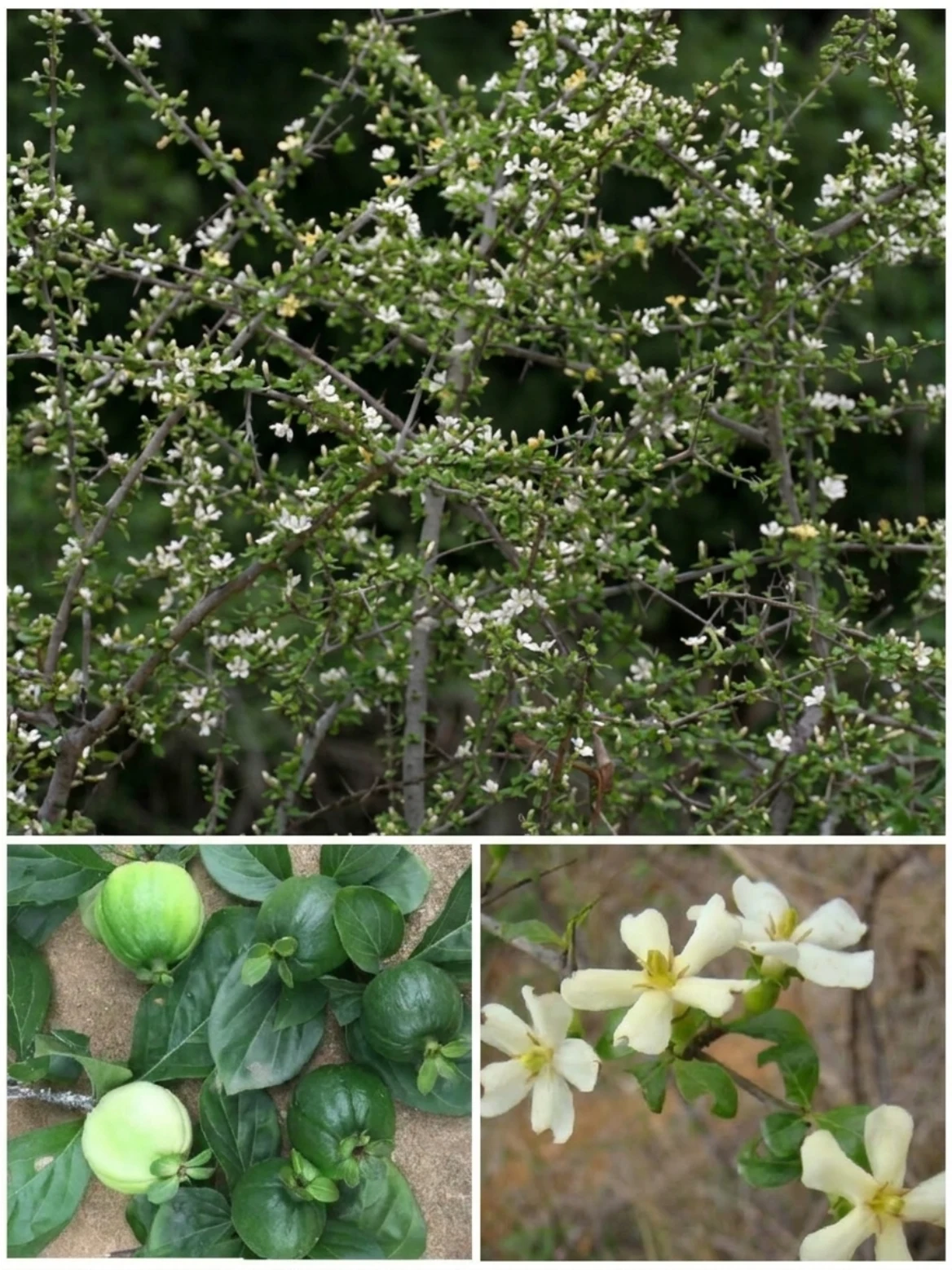
What Catunaregam Spinosa Is Traditionally Used For
Traditionally, Catunaregam spinosa has been used for digestive complaints, liver support, inflammation, skin issues, wounds, ulcers, and respiratory discomfort. Reviews on the plant note its role in traditional medicine for gastrointestinal and hepatic problems, along with anti-inflammatory and antimicrobial uses.
In some traditional systems, the bark has been used for diarrhea and dysentery. The fruit pulp has also been used externally as a poultice for sores, while roasted fruit preparations have been described for external ulcer care in parts of Indo-China.
Common traditional uses include:
- Supporting digestion when the stomach feels heavy.
- Helping with loose stools in folk practice.
- External application for minor sores or ulcers.
- Traditional liver-support formulas.
- Respiratory folk use for cough, bronchitis, or asthma-like discomfort.
- Skin-related traditional applications.
These uses come from ethnomedicine and traditional practice. They should not be treated as proven cures.
Why People Still Care About This Plant
People still care about Catunaregam spinosa because it sits at the intersection of old herbal knowledge and modern plant research.
Scientific reviews report that the plant contains phytochemicals such as flavonoids, alkaloids, tannins, lignans, terpenoids, volatile oils, phenolic compounds, saponins, and glycosides. These compounds are often studied for antioxidant, anti-inflammatory, antimicrobial, antidiabetic, and hepatoprotective potential.
That does not mean drinking this plant will automatically treat disease. It means researchers are interested in why traditional medicine valued it.
The plant is especially interesting for three reasons:
- Digestive tradition: It has a long history in stomach and bowel-related remedies.
- Liver-related folk use: Traditional medicine has used it for hepatic support.
- Plant compounds: Its tannins, flavonoids, and phenolics may help explain some of its traditional effects.
One study also explored leaf and bark extracts for alpha-amylase inhibition, a mechanism connected with carbohydrate digestion and blood sugar response. This was an in vitro study, so it does not prove the same effect in the human body.
Traditional Preparation Style
The most common traditional preparation style depends on the purpose. Bark and leaves are usually prepared as a decoction, while fruit pulp may be used externally in some folk practices.
For a safer blog-style home remedy discussion, the preparation below is written as a traditional-style external wash or compress, not as a strong internal medicine. Internal use should only be done with professional guidance.
Ingredients
- 1 teaspoon dried Catunaregam spinosa bark or leaves.
- 1 cup clean water.
- A clean cotton cloth or gauze.
- A small pot with a lid.
Instructions
- Rinse the dried plant material quickly to remove dust.
- Add 1 teaspoon of dried bark or leaves to 1 cup of water.
- Bring it to a gentle boil.
- Reduce the heat and simmer for 10 to 15 minutes.
- Turn off the heat and cover the pot.
- Let it cool until lukewarm.
- Strain carefully through a clean cloth.
- Use only the strained liquid for an external wash or compress.
For external use, the liquid should be mild, clean, and freshly prepared. Do not store it for many days.
How It Is Usually Use
Traditionally, Catunaregam spinosa may be used in different ways depending on the plant part.
For external use, a mild decoction may be used as a wash over irritated skin or applied as a compress. A clean cloth can be dipped into the cooled liquid, squeezed lightly, and placed over the area for 10 to 15 minutes.
For digestive or liver-related traditional use, healers may use carefully measured preparations of bark, fruit, or other plant parts. However, this should not be self-prescribed. The fruit and other parts may have strong biological activity, and traditional dosage knowledge matters.
A realistic expectation is gentle support rather than instant relief. For external comfort, people may notice soothing within the same day. For digestion-related traditions, effects may vary widely and should not replace medical care.
Safety Notes
Catunaregam spinosa needs caution.
Do not use this plant internally if you are pregnant, breastfeeding, trying to conceive, giving it to children, taking liver medication, diabetes medication, blood thinners, or treatment for chronic illness unless a qualified clinician approves it.
Avoid using it on deep wounds, infected wounds, burns, or open ulcers without medical care. If redness, swelling, pus, fever, or worsening pain appears, seek medical attention.
Possible safety concerns include:
- Stomach irritation from strong preparations.
- Unknown dose safety for home use.
- Possible interaction with diabetes or liver-related medication.
- Skin irritation in sensitive people.
- Misidentification with other thorny shrubs.
Always start with correct plant identification. Wild plants can be easily confused, and incorrect use can be risky.
Final Thoughts
Catunaregam spinosa is a powerful traditional plant, not a simple everyday wellness herb. Its history includes digestive, liver, skin, wound, and inflammation-related uses, and modern research has found interesting plant compounds that may help explain why it remained valued.
The safest way to discuss this plant for home remedy use is as a traditional external wash or compress, while treating internal use as something that requires expert guidance.
The main takeaway: Catunaregam spinosa deserves respect. It may have meaningful traditional value, but careful preparation, correct identification, and safety awareness are essential.
Related Source Science
Modern reviews describe Catunaregam spinosa as a Rubiaceae plant used in traditional medicine for gastrointestinal and hepatic problems, as well as anti-inflammatory and antimicrobial purposes. Researchers have reported phytochemicals including flavonoids, alkaloids, tannins, lignans, terpenoids, phenolic compounds, saponins, glycosides, and volatile oils. Studies have also explored antioxidant, anti-inflammatory, antidiabetic, antihyperlipidemic, antimicrobial, and alpha-amylase inhibitory activities, but many findings are preclinical and should not be treated as direct medical proof in humans.