Are you tired of scrubbing endlessly at stubborn soap scum and hard water spots that seem to cling to every surface in your bathroom? These unsightly residues can make your showers, sinks, and tubs look dull and dirty, no matter how much you try to clean them. But what if there was a simple, effective, and affordable DIY solution using ingredients you likely already have in your pantry?
This easy-to-make cleaning paste is designed to tackle those tough deposits, helping you restore sparkle to your bathroom surfaces without resorting to harsh chemicals. It’s a practical hack that can save you time and money, making your cleaning routine much more efficient.
What You’ll Need
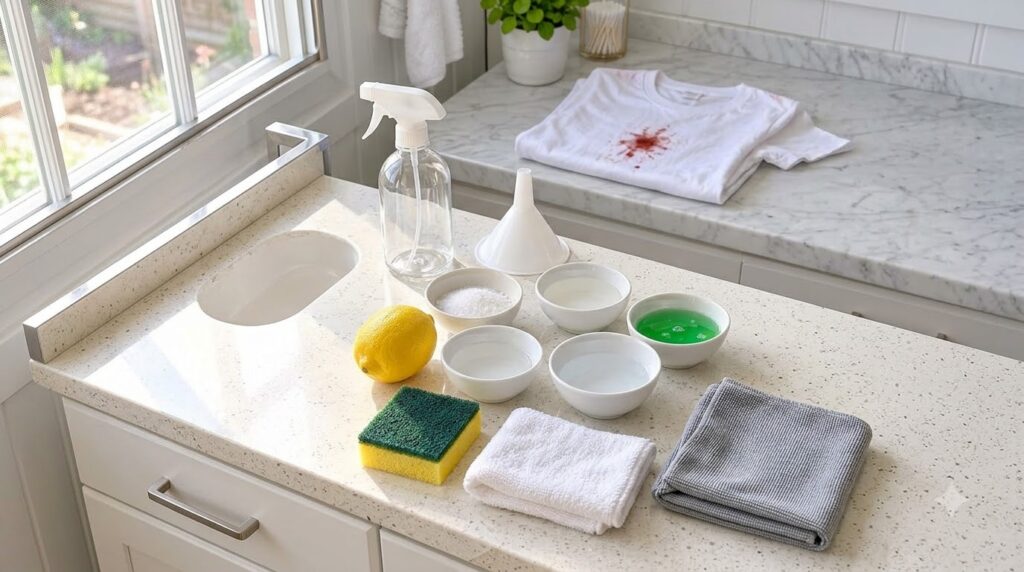
- 1 cup baking soda
- 1/4 cup liquid dish soap (any brand will do, but a degreasing one works well)
- Small mixing bowl
- Spoon or spatula for mixing
- Non-scratch scrub brush or sponge
- Microfiber cloth
- Spray bottle filled with plain water (for rinsing)
Why This DIY Can Be Useful
This DIY cleaning solution leverages the power of two common household heroes. Baking soda acts as a gentle abrasive, helping to lift and scrub away grime without scratching most surfaces. Its fine texture provides a mild scouring action, which is perfect for dislodging tough deposits.
Liquid dish soap is a fantastic degreaser, breaking down the oils and fatty acids found in soap scum. When combined, these two ingredients create a powerful paste that can effectively cut through soap scum and soften hard water mineral deposits, making them easier to wipe away. It’s a natural and non-toxic alternative to many commercial cleaners.
How to Make It
Making this cleaning paste is incredibly simple and takes less than a minute.
- Pour 1 cup of baking soda into your small mixing bowl.
- Gradually add 1/4 cup of liquid dish soap to the baking soda.
- Using your spoon or spatula, mix the ingredients thoroughly until a thick, uniform paste forms. The consistency should be similar to a thick frosting or toothpaste. If it’s too thin, add a little more baking soda. If it’s too thick, add a few more drops of dish soap.
How to Use It
Once your paste is ready, you can start tackling those stubborn spots.
- Prepare the Area: Ensure the surface you’re cleaning is dry or only slightly damp.
- Apply the Paste: Scoop a generous amount of the paste onto your scrub brush or sponge. Apply it directly to the areas affected by soap scum or hard water spots, such as shower walls, shower doors, bathtub, sink, or chrome fixtures.
- Scrub Gently: Using circular motions, gently scrub the paste into the grime. You don’t need excessive force; let the paste do the work. For very tough spots, you might want to let the paste sit for 5-10 minutes after applying it to help break down the buildup.
- Rinse Thoroughly: Once you’ve scrubbed the area, use your spray bottle filled with water to thoroughly rinse off the paste. Ensure all residue is gone. Alternatively, if you’re cleaning a shower or tub, you can use the showerhead to rinse.
- Wipe Dry: Finish by wiping the surface dry with a clean microfiber cloth. This helps prevent new water spots from forming and leaves a streak-free shine.
What to Expect
You can expect a significant improvement in the cleanliness and shine of your surfaces. Most soap scum and hard water spots will be visibly reduced or entirely removed. For heavily built-up areas, you might need to repeat the application or allow the paste to sit for a longer duration to achieve the best results. While it’s highly effective, it may not instantly erase years of neglect, but regular use will maintain a sparkling bathroom.
Helpful Tips
- Test in an Inconspicuous Area: Before applying to a large surface, always test the paste on a small, hidden spot to ensure it doesn’t cause any discoloration or damage, especially on sensitive finishes or stone.
- Maintain Consistency: For ongoing maintenance, use this paste once a week to prevent heavy buildup. Regular cleaning will make the job much easier each time.
- Ventilate: Although the ingredients are natural, it’s always a good idea to ensure adequate ventilation when cleaning in enclosed spaces like bathrooms.
- Store Properly: You can store any leftover paste in an airtight container for future use. It should last for several weeks.
Important Notes / Safety
Always avoid abrasive scrubbing pads on delicate surfaces like acrylic, fiberglass, or certain types of tile, as they can cause scratches. While generally safe, avoid direct contact with eyes, and rinse hands thoroughly after use. If you have sensitive skin, wearing gloves is advisable. Remember to rinse surfaces completely to avoid any lingering residue that could attract new dirt or cause haziness.