Welcome, fellow garden enthusiasts! Here at Garden – L. Quyên, we believe that every thriving plant and bountiful harvest begins with one fundamental element: your soil. It’s the unsung hero beneath our feet, providing the foundation, nutrients, and moisture that plants need to flourish. Understanding your soil type isn’t just a good idea; it’s the secret to unlocking your garden’s full potential and growing healthier, happier plants!
Think of soil as the pantry for your plants. Just as different people prefer different foods, different plants thrive in specific soil conditions. Knowing what kind of soil you have allows you to choose the right plants or amend your soil to create the perfect environment. Let’s dig in and discover the wonderful world of soil types!
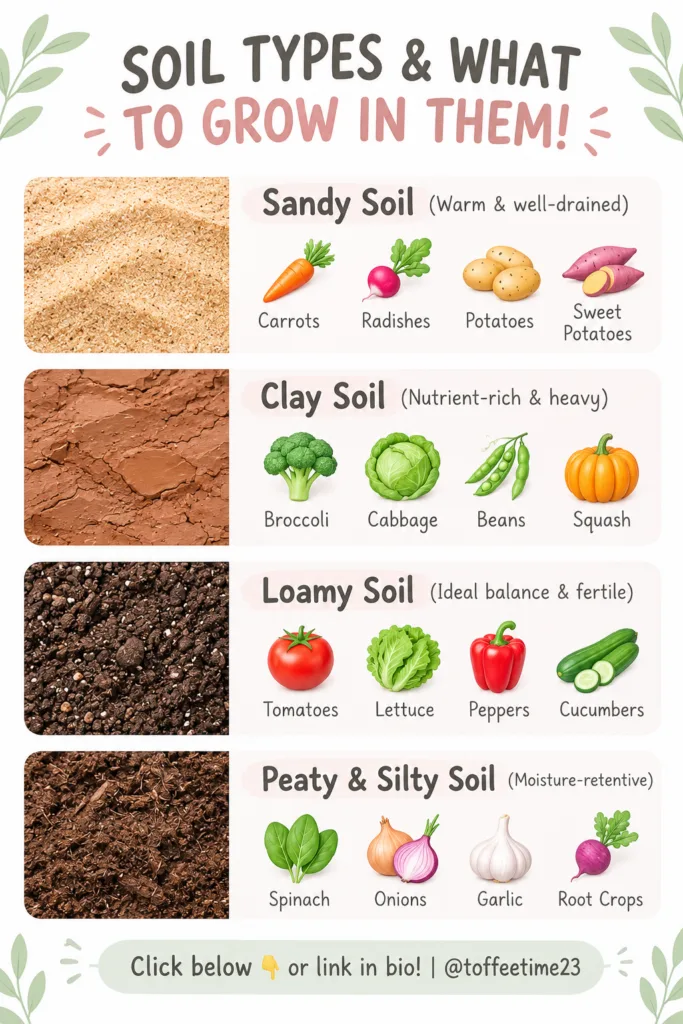
The Four Main Soil Types and Their Best Plant Pairings
1. Sandy Soil: The Quick Drainer
Sandy soil is characterized by its large particles, which give it a coarse, gritty texture. This means it drains water very quickly, warms up fast in the spring, and is easy to work with. However, its rapid drainage also means it struggles to retain nutrients and moisture, which can be a challenge for many plants.
What to Grow in Sandy Soil:
- Root Vegetables: Carrots, potatoes, radishes, and parsnips love the loose structure of sandy soil, allowing their roots to expand easily.
- Asparagus: These long-lived plants thrive in sandy, well-draining conditions.
- Strawberries: Many varieties prefer lighter, well-drained soils.
- Herbs: Rosemary, thyme, and oregano often do well in sandy conditions, mimicking their Mediterranean origins.
Tips for Sandy Soil: Incorporate organic matter like compost or aged manure to improve its water retention and nutrient-holding capacity. Regular watering and feeding are crucial.
2. Clay Soil: The Nutrient Powerhouse
Clay soil is the opposite of sandy soil, with very fine, densely packed particles. This gives it a heavy, sticky texture when wet and makes it hard when dry. Clay soil retains nutrients exceptionally well and holds moisture for long periods, but it can suffer from poor drainage and compaction, making it difficult for roots to penetrate.
What to Grow in Clay Soil:
- Brassicas: Broccoli, cabbage, cauliflower, and Brussels sprouts often thrive in the nutrient-rich environment of clay.
- Legumes: Peas and beans can do surprisingly well, benefiting from the moisture retention.
- Leafy Greens: Many types of lettuce, spinach, and kale appreciate the sustained moisture and nutrients.
- Fruit Trees & Shrubs: Many larger plants with robust root systems can extract nutrients from clay.
Tips for Clay Soil: Improve drainage and texture by adding plenty of organic matter (compost, gypsum). Raised beds can also be an excellent solution.
3. Loamy Soil: The Gardener’s Dream
Loamy soil is often considered the “perfect” soil. It’s a balanced mix of sand, silt, and clay, along with a good amount of organic matter. Loam has excellent drainage, retains moisture and nutrients effectively, is easy to work with, and warms up well in spring. Its balanced structure allows for good air circulation and root penetration.
What to Grow in Loamy Soil:
Lucky you! Almost everything grows well in loamy soil! This includes a vast range of:
- Vegetables: Tomatoes, peppers, corn, cucumbers, squash, and most root vegetables.
- Flowers: Annuals and perennials alike will thrive.
- Fruit Bushes & Trees: Nearly all varieties will be happy here.
Tips for Loamy Soil: Maintain its health by regularly adding organic matter. Avoid compaction by not walking on beds when wet.
4. Peaty & Silty Soil: Moisture Lovers
The infographic combines peaty and silty soils, both of which share characteristics of good moisture retention, though for different reasons.
- Peaty Soil: Rich in organic matter from decomposed vegetation, peaty soil is dark, soft, and highly acidic. It holds a lot of water but can be poor in nutrients and slow to warm up.
- Silty Soil: Composed of medium-sized particles, silty soil feels smooth and somewhat slippery. It retains moisture and nutrients better than sandy soil but can compact easily.
Together, these soils offer good water-holding capacity and generally provide a good environment for many plants if managed correctly.
What to Grow in Peaty & Silty Soil:
- Root Vegetables: Carrots, parsnips, and potatoes benefit from the soft texture and moisture.
- Leafy Greens: Lettuce, spinach, and cabbage often thrive with consistent moisture.
- Acid-Loving Plants (Peaty): Blueberries, rhododendrons, azaleas, and camellias will flourish in naturally acidic peaty soil.
- Many Vegetables (Silty): Most vegetables will do well in silty soil due to its good balance of water retention and drainage.
Tips for Peaty & Silty Soil: For peaty soil, consider adding lime to raise pH if not growing acid-lovers, and incorporate compost for nutrient balance. For silty soil, prevent compaction by adding organic matter and avoiding heavy tilling.
General Tips for Optimal Soil Health
No matter your soil type, focusing on overall soil health will always lead to better gardening results:
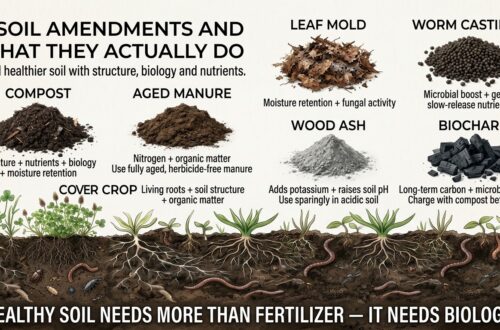
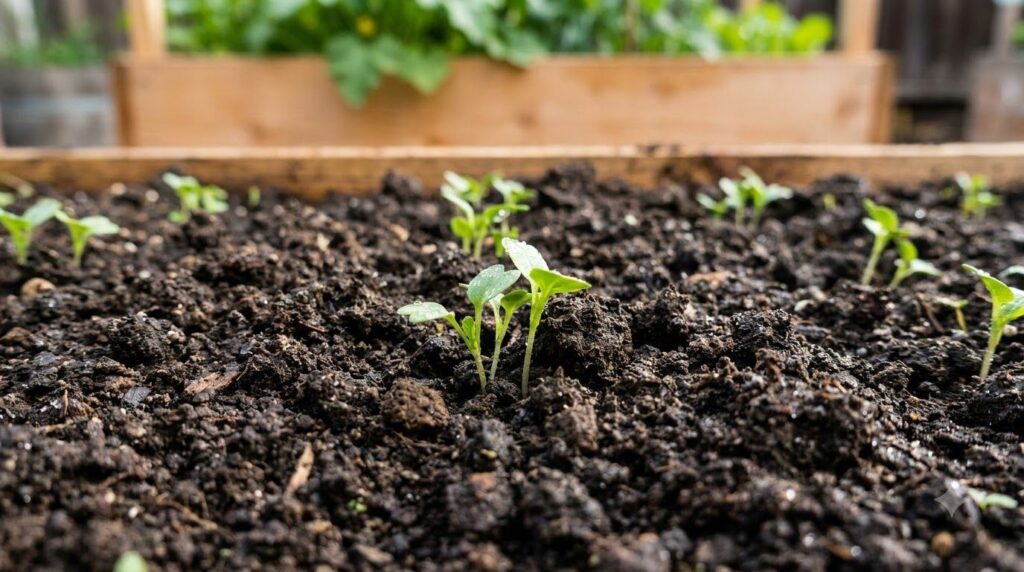
- Add Organic Matter: Regularly incorporate compost, well-rotted manure, or leaf mold. This improves structure, drainage, water retention, and nutrient availability for all soil types.
- Test Your Soil: A soil test can provide valuable information on your soil’s pH level and nutrient deficiencies, guiding your amendments.
- Mulch: Apply a layer of organic mulch around plants. This helps retain moisture, regulate soil temperature, and suppress weeds, eventually breaking down to add organic matter.
- Avoid Compaction: Try not to walk on your garden beds, especially when the soil is wet. Use pathways or raised beds to minimize compaction.
- Practice Crop Rotation: This helps maintain nutrient balance and reduces the build-up of pests and diseases specific to certain plants.
Your Garden’s Journey Starts Here!
Understanding your soil type is like having a roadmap for your gardening journey. It empowers you to make informed decisions, whether you’re selecting new plants or making thoughtful amendments. Remember, gardening is a continuous learning process, and every interaction with your soil teaches you something new.
What’s your soil type, and what are your favorite plants to grow in it? Share your experiences and tips with our Garden – L. Quyên community in the comments below! Happy gardening!