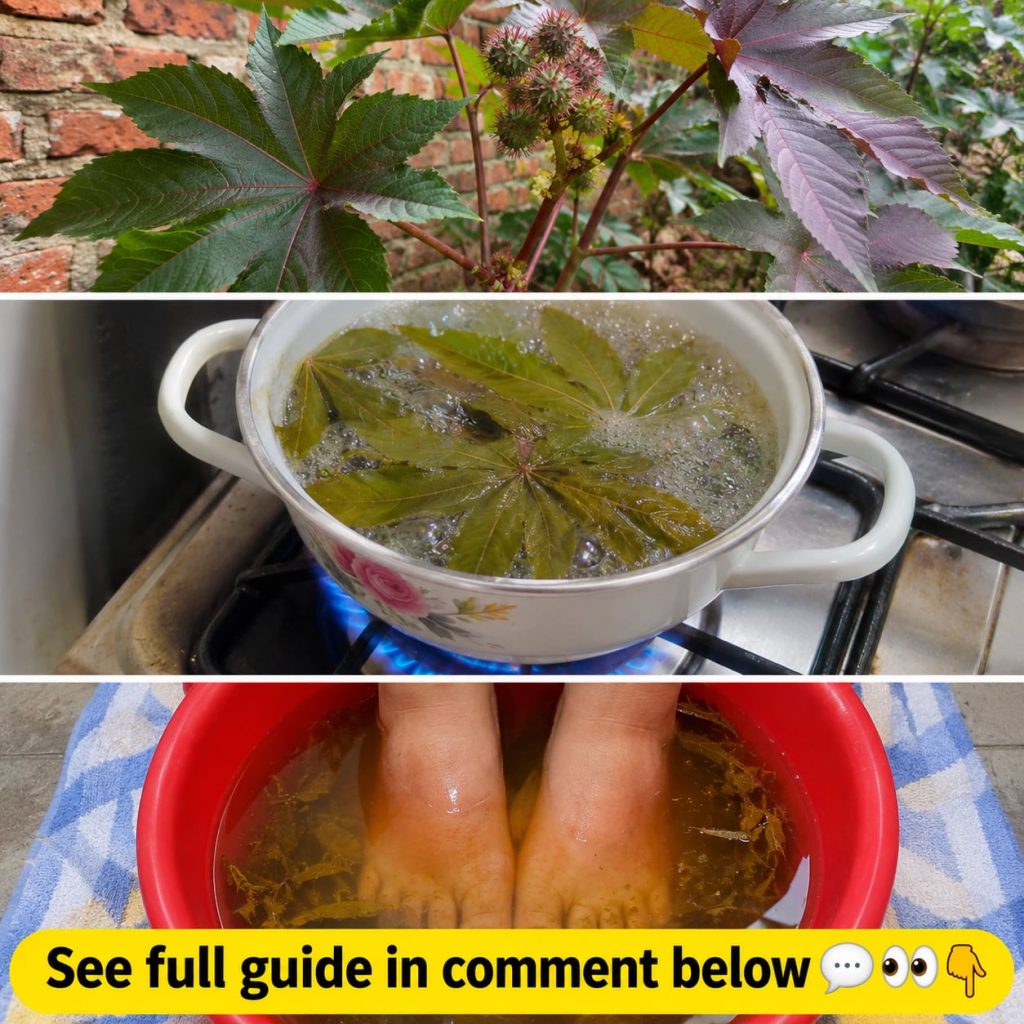
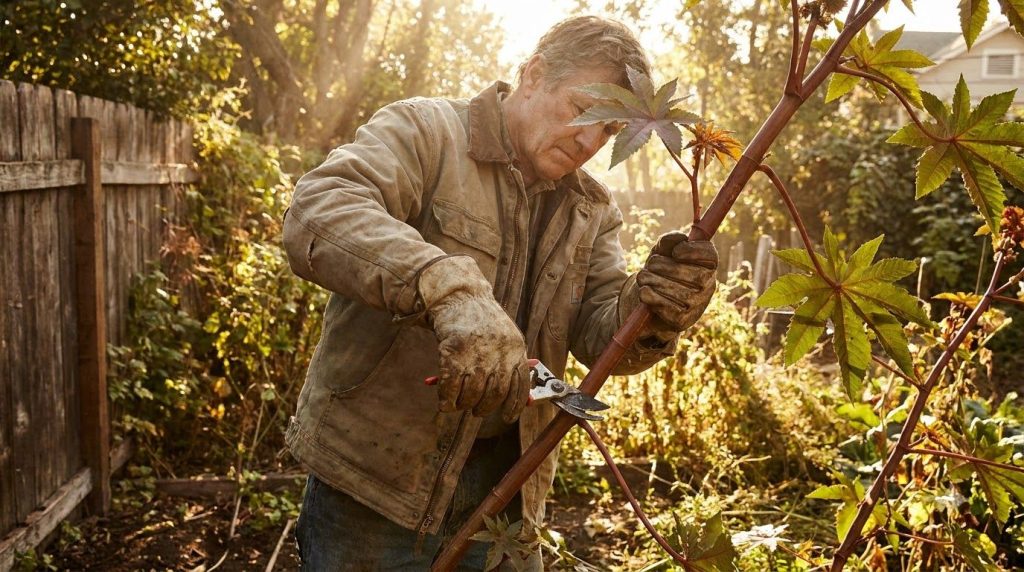
Most people who spot a castor plant with its bold, star-shaped leaves assume it belongs in a traditional remedy kit. The reality is the opposite. The castor plant (Ricinus communis) is one of the most hazardous plants you can grow, and its leaves should never be brewed, steeped, rubbed on skin, or pressed into a homemade preparation.
What the Castor Plant Is
Castor is a fast-growing shrub native to parts of Africa and Asia. Gardeners often grow it as an ornamental because of its dramatic foliage. The plant is best known as the source of castor oil, which is made by pressing the seeds. The seeds contain ricin, a highly toxic protein, and the rest of the plant also contains compounds that call for real caution. That is why leaves, stems, and unripe seed pods should stay out of any home preparation.
Plant Parts and Home Use at a Glance
Many guides blur the difference between the raw plant and commercially processed castor oil. The table below separates them clearly.
| Plant part or product | Typical home use | Safety status |
|---|---|---|
| Seeds (beans) | None | Highly toxic. Never chew, crush, or ingest. |
| Leaves | None | Toxic. Avoid teas, tinctures, poultices, and soaks. |
| Stems and sap | None | Irritating. Avoid contact with cuts or broken skin. |
| Commercial castor oil | Use only as directed on the product label | Processed product. Different from the raw plant. |
Why the Leaves Are Not a DIY Ingredient
Leaves are often promoted as a gentle herbal ingredient because they look harmless. The problem is that a preparation like tea or a poultice can expose the body to toxic compounds in an uncontrolled amount. There is no safe, standardized dose you can measure at home. A homemade method cannot remove the risk, whether you dry, boil, or blend the leaves.
Here’s the part most people skip: drying does not make the plant safer. Dried leaves keep their toxic compounds, and storing them in a jar only creates another handling risk for children and pets.
Common Mistakes Gardeners Make
- Brewing leaves as a herbal tea because the plant looks gentle.
- Applying crushed leaves to a cut, bruise, or rash.
- Handling seeds or pods with bare hands and then touching the face or eyes.
- Planting castor near play areas, pet runs, or edible gardens without fencing or labels.
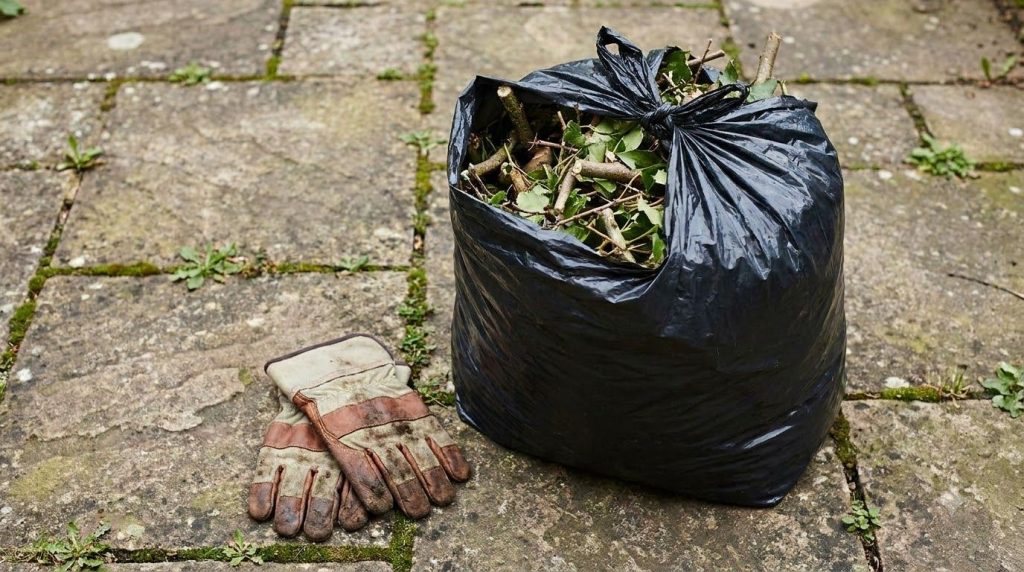
- Composting stems or pods without bagging them first.
- Assuming a commercial castor oil product means the raw plant is safe to prepare.
Cautions and Who Should Avoid Any Contact
Children, pets, pregnant or breastfeeding people, and anyone with sensitive or broken skin should avoid contact with the plant. Wear gloves and wash hands after pruning. If someone swallows any part of the plant or chews seeds, contact emergency services or a poison control center immediately, even if no symptoms appear yet. Do not wait for symptoms to develop.
Safer Ways to Use Plant Knowledge
If your goal is a home herbal routine, choose plants with well-documented, low-risk preparation methods and reliable sourcing. Focus on learning plant identification first, so you can recognize and avoid toxic species in your yard. Keep toxic plants labeled and out of reach, and treat any unfamiliar plant as unsafe until identified.
- You may also like: How to Identify Toxic Garden Plants Before You Plant Them
- Read more: Safe Herbal Tea Basics for Beginners
- See the full guide: Storing Dried Herbs Without Mold or Contamination
Quick Summary
- Best preparation: None for castor leaves. Skip homemade preparations entirely.
- Best use-case: Ornamental planting, with gloves and children and pets kept away.
- Storage: Not recommended for leaves or seeds. Dispose of clippings in sealed bags.
- When to use: Never for internal or topical home remedies.
- What to avoid: Tea, poultice, tincture, chewing seeds, and touching sap on broken skin.
Frequently Asked Questions
Can I dry castor leaves for tea?
No. Drying does not remove the toxic compounds, so dried leaves are not a safe tea ingredient.
Is commercial castor oil the same as the leaves?
No. Commercial castor oil is a processed product made from seeds. Follow the label directions and do not confuse it with raw plant material.
Can I use castor leaves on a bruise or cut?
No. Avoid applying leaves, stems, or sap to any cut, bruise, or rash, especially broken skin.
Is it safe to grow castor plants at home?
It can be grown as an ornamental if you keep it away from children, pets, and edible areas, and handle it with gloves.
How should I dispose of castor plant clippings?
Wear gloves, bag the clippings in a sealed container, and follow local waste guidelines. Do not compost them loose.
What should I do if someone swallows part of the plant?
Contact emergency services or poison control right away, even if the person feels fine.
Final Thoughts
Castor leaves are a clear example of a plant that looks intriguing but should never be turned into a home remedy. Respect the plant as a garden ornamental, learn to identify it, and keep it safely away from anyone who could be harmed. Your best remedy decisions start with knowing which plants are safe to handle at all.