Most people immediately reach for ice packs or elevation when dealing with swollen feet, but one small preparation mistake or an overlooked traditional ingredient can make all the difference. For centuries, various cultures have turned to nature for relief, and among these, the Noni fruit and its leaves hold a special place for soothing uncomfortable swelling. This guide dives into how you can tap into this ancient wisdom.

What is Noni and Why Use It for Swollen Feet?
Noni, scientifically known as Morinda citrifolia, is a fruit-bearing tree native to Southeast Asia and Australia, often found in volcanic regions. While the fruit itself has been a staple in traditional medicine for its rich nutrient profile, the leaves are particularly valued in many cultures for topical applications. Noni leaves contain compounds that are believed to possess anti-inflammatory and analgesic properties, making them a fascinating choice for addressing localized swelling and discomfort in the feet.
The Noni Leaf Foot Soak: Your DIY Remedy
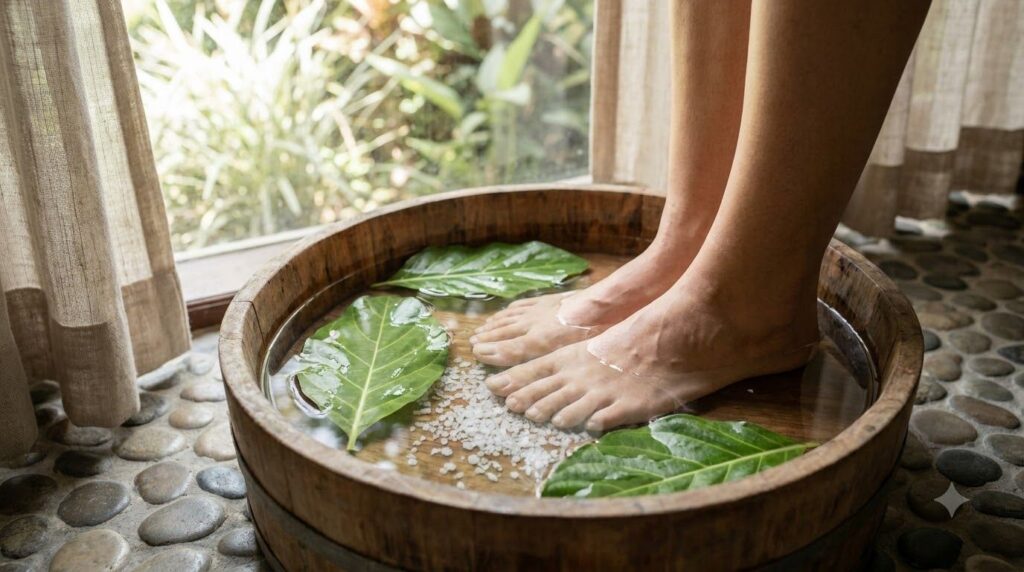
A warm Noni leaf foot soak or compress can be a wonderfully soothing and practical way to alleviate swollen feet. The heat helps with circulation, and the natural compounds from the leaves get to work.
Ingredients:
- 10-15 fresh Noni leaves (or 1/2 cup dried Noni leaves)
- 8-10 cups of hot water (enough to submerge your feet)
- 1/2 cup Epsom salts (optional, for added muscle relaxation)
- Large basin or foot spa
Approximate Measurements:
The quantities are flexible. If using fresh leaves, aim for a good handful. For dried leaves, a half-cup provides sufficient concentration. Adjust water to comfortably cover your feet or the area you wish to treat.
Formula / Recipe:
The core of this remedy is a strong Noni leaf infusion. The Epsom salts enhance the experience by drawing out toxins and reducing inflammation.
Step-by-Step Method:
- Prepare the Leaves: If using fresh Noni leaves, wash them thoroughly under cool running water. Gently bruise them by rolling a bottle over them or tearing them slightly; this helps release their beneficial compounds. If using dried leaves, no prior preparation is needed beyond measuring.
- Heat the Water: Bring 8-10 cups of water to a boil, then remove from heat.
- Infuse the Noni: Place the prepared Noni leaves into a large, heat-safe basin or foot spa. Pour the hot water over the leaves.
- Add Epsom Salts (Optional): Stir in the Epsom salts until dissolved.
- Steep: Allow the leaves to steep for at least 15-20 minutes, or until the water cools to a comfortable, warm temperature for your feet.
- Strain (Optional): You can strain out the leaves before soaking, or leave them in for a more immersive experience.
How to Use:
Once the Noni foot soak is at a comfortable temperature, submerge your feet, ankles, and lower calves (if applicable) into the basin. Relax for 20-30 minutes. Gently massage your feet and ankles while soaking to further stimulate circulation.
How Often to Use:
For acute swelling, you can use this foot soak daily for 3-5 days. For general relaxation and occasional mild swelling, 2-3 times a week is sufficient. Listen to your body and adjust as needed.
Here’s the Part Most People Skip: Choosing and Storing Your Noni Leaves
The effectiveness of your remedy often depends on the quality of your ingredients.
How to Buy / How to Choose Ingredients:
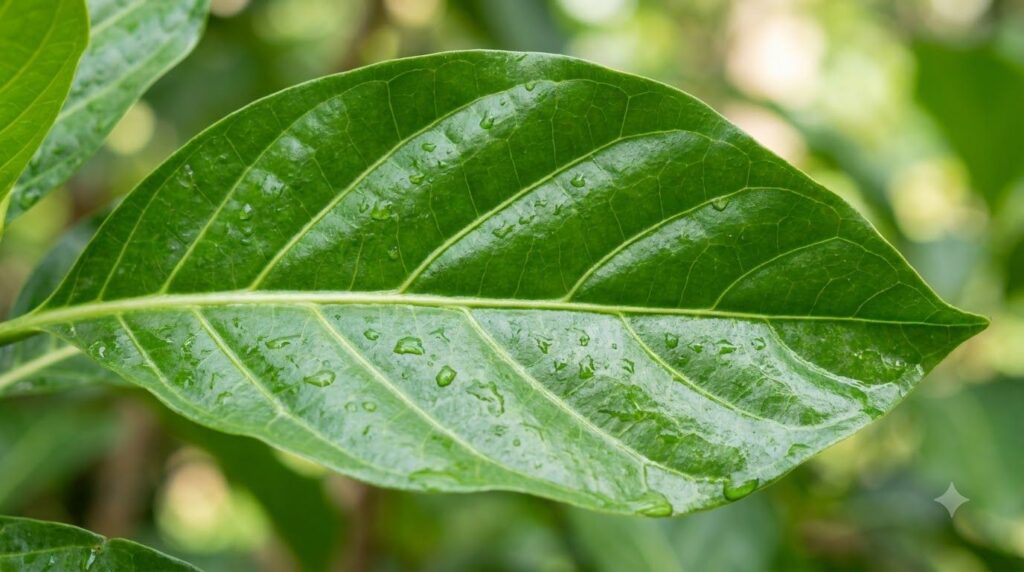
- Fresh Noni Leaves: Look for vibrant green, unblemished leaves. Avoid any that are yellowing, wilting, or have visible damage or pest marks. If you have access to a Noni tree, ensure it has not been treated with pesticides.
- Dried Noni Leaves: Purchase from reputable herbal suppliers. Ensure they are organically sourced and free from additives. The color should still be a healthy green, not brown or faded.
- Epsom Salts: Choose pure, unscented Epsom salts.
Quick Tip: Fresh vs. Dried Noni Leaves
| Feature | Fresh Noni Leaves | Dried Noni Leaves |
|---|---|---|
| Availability | Seasonal, regional | Year-round, wider availability |
| Potency | Often higher immediate potency | Concentrated, long-lasting |
| Preparation | Requires washing, bruising | Ready to use |
| Storage | Short shelf life (refrigerated) | Long shelf life (airtight container) |
Storage:
- Fresh Leaves: Store fresh Noni leaves in a plastic bag in the refrigerator for up to 5-7 days.
- Dried Leaves: Keep dried Noni leaves in an airtight container, away from direct sunlight and moisture. They can last for up to 1-2 years.
- Prepared Infusion: Any leftover infusion can be stored in the refrigerator for up to 24 hours and gently reheated for a foot soak, though fresh is always best.
Practical Tips for Enhanced Relief:
- Elevate: While soaking, elevate your feet slightly for added benefit.
- Massage: After your soak, gently massage your feet with a natural oil like coconut or olive oil to further improve circulation.
- Hydrate: Drink plenty of water throughout the day, as dehydration can sometimes contribute to fluid retention.
Common Mistakes to Avoid:
- Using Sprayed Plants: Never use Noni leaves from plants that have been treated with chemical pesticides. Always opt for organic or wild-harvested.
- Water Too Hot: Ensure the water is comfortably warm, not scalding hot, to avoid skin irritation or burns.
- Skipping Bruising: If using fresh leaves, a gentle bruising step is crucial to help release the active compounds. Don’t just throw them in whole.
- Expecting Immediate Miracles: Natural remedies work with your body over time. Consistency is key; don’t expect instant, permanent relief after one soak.
Cautions / Who Should Avoid It:
While Noni is generally considered safe for topical use, it’s always wise to exercise caution. Perform a patch test on a small area of skin before a full foot soak to check for any allergic reactions. Pregnant or nursing individuals, those with open wounds on their feet, or individuals with severe circulatory issues should consult a healthcare professional before trying any new remedy. If swelling persists or worsens, seek medical attention.
Quick Summary: Noni Leaf Foot Soak for Swollen Feet
- Best Preparation: Warm infusion/soak using fresh or dried Noni leaves.
- Best Use-Case: Alleviating mild to moderate swelling and discomfort in feet and ankles.
- Storage: Fresh leaves in the fridge (5-7 days); dried in an airtight container (1-2 years).
- When to Use: Daily for acute swelling, 2-3 times/week for maintenance.
- What to Avoid: Sprayed leaves, excessively hot water, and expecting instant results.
FAQ: Your Noni Foot Soak Questions Answered
Here are some common questions about using Noni leaves for swollen feet:
- Can I use Noni fruit instead of leaves?
While Noni fruit has many benefits, the leaves are traditionally preferred for topical anti-inflammatory applications like foot soaks. - How long does the Noni foot soak last?
The prepared infusion is best used fresh. You can store it in the refrigerator for up to 24 hours and reheat gently, but its potency may diminish. - Can I reuse the Noni leaves?
It’s best to use fresh leaves for each soak to ensure maximum potency of the beneficial compounds. - What if I don’t have Epsom salts?
The Noni leaf infusion alone is still beneficial. Epsom salts are an optional addition for enhanced muscle relaxation and drawing properties. - Can I add essential oils to the soak?
Yes, you can add a few drops of essential oils like lavender or peppermint for extra relaxation and aroma, but ensure they are diluted properly and you have no sensitivities. - Is this safe for sensitive skin?
Always perform a patch test first. If you experience any irritation, discontinue use. - When should I avoid using this remedy?
Avoid if you have open wounds, severe circulatory conditions, or are pregnant/nursing without consulting a doctor.
Conclusion
Reaching for simple, time-honored remedies like a Noni leaf foot soak can provide a gentle yet effective approach to managing swollen feet. By understanding the preparation, proper usage, and crucial storage tips, you can confidently integrate this natural remedy into your wellness routine. Remember, consistency and attention to quality ingredients are your best allies in embracing the healing power of nature.
You may also like: Natural Remedies for Sore Muscles
Read more: The Benefits of Epsom Salt Baths
