Welcome back, garden enthusiasts! Are you ready to make your garden work smarter, not harder? Today, we’re diving into the wonderful world of mulch – a gardener’s best friend. While it might seem simple, choosing the right mulch can be a game-changer for the health and productivity of your plants, especially for beloved edibles like tomatoes and berry bushes.
Why Mulch Matters: Nature’s Healing Touch
Mulch isn’t just about making your garden look tidy; it’s a powerhouse of benefits. Think of it as a protective blanket for your soil and plants. Here’s what smart mulching can do:
- Retain Moisture: Mulch reduces water evaporation from the soil, meaning you water less often, saving time and resources.
- Suppress Weeds: A good layer of mulch blocks sunlight, preventing pesky weeds from sprouting and competing with your plants for nutrients.
- Regulate Soil Temperature: It insulates the soil, keeping it cooler in summer and warmer in winter, which helps plant roots thrive.
- Improve Soil Health: Organic mulches break down over time, enriching your soil with valuable nutrients and improving its structure.
- Prevent Soil Erosion: Mulch acts as a barrier against heavy rain and wind, protecting precious topsoil.
- Reduce Disease: By preventing soil from splashing onto leaves, mulch can help reduce the spread of soil-borne diseases.
Choosing the Best Mulch for Thriving Tomatoes
Tomatoes are heavy feeders and love consistent moisture. The right mulch can help them grow strong and produce bountiful harvests.
Ideal Mulches for Tomatoes:
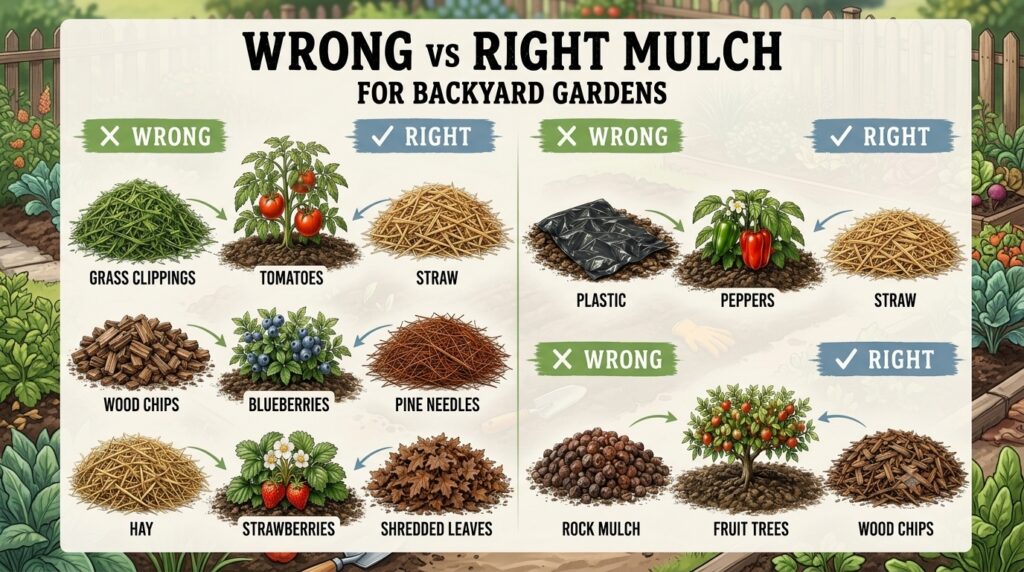
- Straw: Not hay (which often contains weed seeds), but clean straw. It’s excellent for moisture retention, keeps fruits off the soil, and breaks down nicely.
- Shredded Leaves: Gathered from your yard, shredded leaves are a fantastic, free organic mulch. They enrich the soil as they decompose.
- Aged Wood Chips: If you use wood chips, ensure they are well-aged. Fresh wood chips can deplete nitrogen from the soil as they break down, which isn’t good for nitrogen-hungry tomatoes.
- Compost: A layer of finished compost not only mulches but also provides a slow release of nutrients directly to your plants.
Mulches to Avoid for Tomatoes:
- Black Plastic: While it warms the soil, it can overheat roots in hot climates and doesn’t improve soil health. It also prevents water from penetrating easily.
- Fresh Grass Clippings: Can mat down, become slimy, and create an anaerobic layer that smells bad and can damage plants. Always dry them first if you must use them, or use a very thin layer.
Choosing the Best Mulch for Berry Plants
Berry plants, such as blueberries, raspberries, and strawberries, have specific needs, and the right mulch can help them flourish.
Ideal Mulches for Berry Plants:
- Pine Needles: Especially wonderful for acid-loving blueberries! Pine needles help lower soil pH slightly, retain moisture, and suppress weeds.
- Pine Bark Nuggets/Chips: Similar to pine needles, these are great for blueberries and other acid-loving berries, offering good weed suppression and moisture retention.
- Aged Wood Chips: A good choice for most berry bushes, providing consistent moisture and suppressing weeds.
- Shredded Leaves: Excellent for all types of berries, adding organic matter and nutrients to the soil.
- Sawdust (Aged): If you have access to aged sawdust (from untreated wood), it can be a good option, especially for blueberries, but ensure it’s fully decomposed to avoid nitrogen depletion.
Mulches to Avoid for Berry Plants:
- Alkaline Mulches: For blueberries, avoid mulches that raise soil pH, such as mushroom compost or fresh concrete chunks.
- Fresh Wood Chips (for new plantings): Again, fresh chips can tie up nitrogen. Ensure they are aged, especially for young berry plants.
General Mulching Best Practices
- Depth is Key: Aim for a 2-4 inch layer of mulch. Too little won’t be effective, and too much can suffocate plants or encourage pests.
- Keep it Away from Stems: Always leave a small gap (an inch or two) around the base of your plant stems or tree trunks. Piling mulch directly against them can lead to rot and pest problems.
- Replenish Annually: Organic mulches break down over time, so plan to replenish your mulch layer once a year, typically in spring or fall.
- Water Before Mulching: Ensure your garden is well-watered before applying mulch to lock in that moisture.
By understanding the specific needs of your plants and choosing your mulch wisely, you’ll be well on your way to a healthier, happier, and more productive garden. Happy mulching!