Many gardeners discover pest trouble the same way: one morning the kale has holes in it, the seedlings look chewed, and the aphids have settled on the new growth. Planting a few well-chosen companions alongside your vegetables can make a real difference, not because they work like a magic shield, but because they support a more balanced garden. The right flowers and herbs can attract beneficial insects, add habitat diversity, and make it easier for you to spot problems early. This guide walks through 11 plants that gardeners often use for this purpose, with practical advice on where to plant them, how to care for them, and what to expect.
The Core Principle: Diversity and Habitat
Companion planting works best when you think of it as building a neighborhood rather than setting a trap. Pests tend to build up quickly in large blocks of a single crop. Mixing in aromatic herbs and nectar-rich flowers can make a bed less uniform, attract predators such as lacewings, ladybugs, and hoverflies, and give pollinators a reason to stay. Some plants also simply make a crop harder to find because of their scent. Expect these benefits to be gradual and partial. Monitoring and early action still matter most.
The 11 Plants
1. Basil (Ocimum basilicum)
Basil is a tender annual grown outdoors in most of the United States, typically in USDA zones 2 through 11 as a warm-season annual, since frost kills it. Its strong scent is often associated with keeping some pests away from tomatoes and peppers, though research on this effect is limited. Plant it in full sun, in soil that drains well, about 12 inches from neighboring plants. Pinch the tips when plants reach about 6 inches to encourage bushy growth and a longer harvest. Avoid letting basil sit in cold, wet soil, which can cause the leaves to blacken.
2. Rosemary (Salvia rosmarinus)
Rosemary is a woody, evergreen perennial that is reliably hardy in USDA zones 8 through 10 and often grown as a container plant farther north. Its aromatic foliage is a practical companion for cabbage-family crops and carrots, and its flowers attract bees. Give it full sun, excellent drainage, and a spot where the soil dries out between waterings. Overwatering is the most common mistake and leads to root rot. Prune lightly after flowering rather than cutting into old wood.
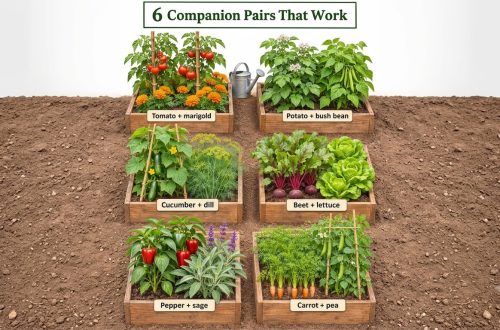
3. Marigolds (Tagetes species)
French and signet marigolds are annuals that bloom from early summer until frost. Some gardeners plant them near tomatoes and beans, and research suggests certain marigold types may reduce some root-feeding nematodes in the soil, although results vary by variety, soil, and climate. Sow seeds directly after the last frost in full sun, or set transplants 8 to 12 inches apart. Deadhead spent blooms to keep flowering going. Avoid overcrowding, since poor airflow can invite fungal problems.
4. Nasturtiums (Tropaeolum majus)
Nasturtiums are fast-growing annuals that bloom in orange, red, and yellow. They are often planted as trap crops, attracting aphids away from more valuable plants, which means you may need to check and remove heavily infested leaves. Sow seeds 1/2 inch deep in poor to average soil, since rich soil encourages leaves at the expense of flowers. Both flowers and young leaves are edible and add a peppery bite to salads.
5. Mint (Mentha species)
Mints are vigorous perennials hardy in roughly USDA zones 3 through 9, depending on species. Their strong aroma is popular in companion planting for cabbage-family crops, but mint spreads aggressively by underground runners. Grow it in a container sunk into the soil or in its own bed. Harvest regularly by cutting stems above a leaf node to keep plants full and reduce flowering.
6. Lavender (Lavandula angustifolia)
English lavender is a hardy perennial in USDA zones 5 through 8. It attracts bees and other pollinators and adds visual structure to vegetable beds. It requires full sun and sharply drained soil, and it dislikes humid summers with heavy clay. Plant it on a slight slope or in raised beds where water drains away. Prune by one-third after flowering, but avoid cutting into bare woody growth.
7. Chives (Allium schoenoprasum)
Chives are hardy perennial bulbs in USDA zones 3 through 9 and are grown for their onion-flavored leaves and purple blooms. Their flowers attract pollinators, and their strong odor is said to deter some pests from nearby crops. Plant divisions or seeds in full sun or light shade, spacing clumps about 6 inches apart. Cut leaves at the base rather than shearing them, which keeps the plant healthy. Divide clumps every three to four years to keep them vigorous.
8. Dill (Anethum graveolens)
Dill is a fast annual that grows about 2 to 3 feet tall and is well known for attracting parasitic wasps and hoverflies, whose larvae feed on aphids. Sow seed directly into the garden in spring, since dill has a taproot and dislikes transplanting. Succession-sow every three weeks for a steady supply. Let some plants flower and set seed for the beneficial insects and for next year’s crop.
9. Garlic (Allium sativum)
Garlic is a cool-season bulb planted in fall in much of the United States, usually in USDA zones 4 through 9, with hardneck varieties often preferred in colder areas. Its sulfur compounds may deter some pests, but the most reliable benefit is that it occupies space and can be planted between roses or brassicas. Plant cloves pointed side up, about 2 inches deep and 6 inches apart. Harvest when the lower leaves begin to yellow. Gardeners often make the mistake of planting garlic in soggy soil, which leads to rot.
10. Borage (Borago officinalis)
Borage is a hardy annual with blue star-shaped flowers that are among the most loved by bees. It grows about 2 to 3 feet tall and self-seeds readily. Plant it near strawberries and squash to draw pollinators. Its large, hairy leaves can be prickly, so place it toward the back of a bed. Thin seedlings to about 18 inches apart for good airflow.
11. Sweet Alyssum (Lobularia maritima)
Sweet alyssum is a low-growing annual that produces small, honey-scented white or purple flowers for much of the season. It is a practical companion for attracting hoverflies and parasitic wasps. It tolerates cool weather well, making it useful for early or late season planting. Sow directly or transplant 6 to 8 inches apart as a border. Shear it back if it becomes leggy in midsummer to encourage fresh blooms.
Practical Setup for Success
Start by choosing one or two companion groups rather than planting all 11 in the same bed at once. A good first step is placing basil, marigolds, and sweet alyssum at the edges of a tomato or pepper bed. Check the undersides of leaves every few days. A cluster of aphids can often be knocked off with a strong spray of water. Hand-pick beetles, and remove any leaf with eggs. Choose the least disruptive control first, and reserve insecticidal soap or other products for problems that do not respond to hand removal.
Common Mistakes to Avoid
- Expecting companion plants to replace monitoring. Look at your crops once or twice a week.
- Planting mint directly in the bed where it can take over.
- Overwatering Mediterranean herbs such as rosemary and lavender.
- Crowding marigolds, basil, or borage, which reduces airflow and invites disease.
- Cutting all flowers from dill and borage, which removes the insects you are trying to attract.
Adjusting for Your Region
Growing conditions vary widely across the United States. In USDA zones 3 through 5, many herbs such as rosemary and lavender may be grown in containers and brought indoors for winter. In zones 6 through 8, most of these plants can be grown outdoors with some protection. In zones 9 through 11, perennials such as rosemary grow vigorously, while annuals may need afternoon shade in hot summers. USDA zones measure winter cold, not summer heat or rainfall. Check your local extension service for frost dates and soil temperature guidance, and use the calendar only as a rough starting point.
Start Small and Watch Your Garden Respond
You do not need all 11 plants to see a difference. Choose three that match your climate and your favorite meals, plant them this season, and keep a simple notebook of what you see. Over time, you will learn which insects arrive, which flowers draw the most bees, and where your garden needs more balance. Save this guide and come back to it at planting time, then tell us which companion plant worked best in your beds.