Embrace the Chill: Your Essential November Planting Guide
As the vibrant colors of autumn begin to fade, many gardeners might think it’s time to put away their tools until spring. But hold on to your trowels! November isn’t just for raking leaves; it’s a fantastic month for planting a variety of robust vegetables that thrive in cooler temperatures. Imagine harvesting fresh greens and hearty roots right from your garden during winter or enjoying an early spring bounty. It’s not only possible but incredibly rewarding!
Planting in November can give your garden a head start, allowing plants to establish strong root systems before the harshest cold sets in, or to simply enjoy the benefits of cooler soil temperatures. We’re here to guide you through six incredible vegetables that are perfect for your November planting list, ensuring your garden stays productive all year long.
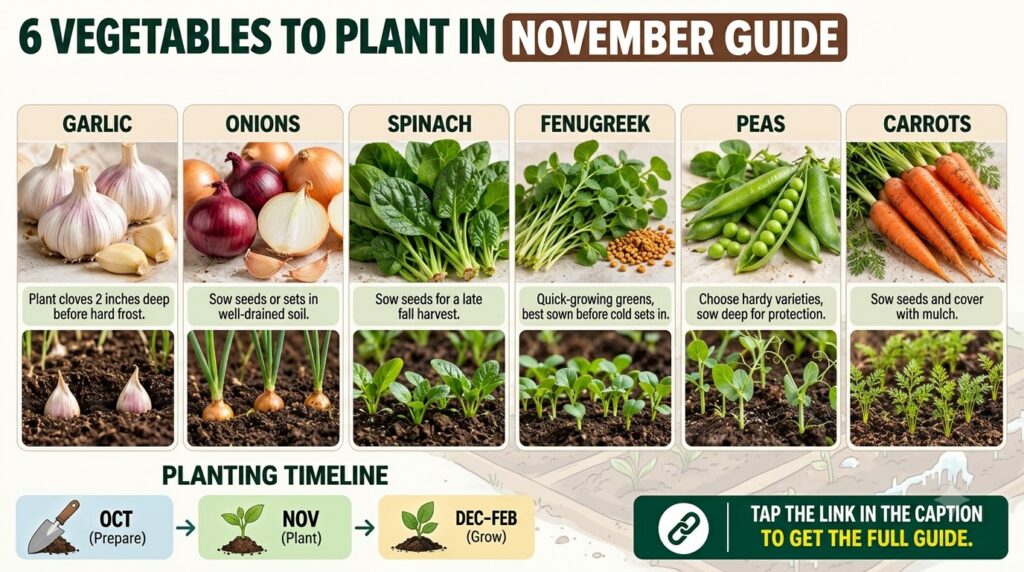
1. Garlic: The Flavorful Foundation
Garlic is a garden favorite and November is prime time for planting! When planted in the fall, garlic has ample time to develop strong roots and begin growing before the ground freezes. This leads to larger, more flavorful bulbs come summer.
- How to Plant: Break apart a healthy garlic bulb into individual cloves, ensuring each clove has its papery skin intact. Plant each clove pointed-side up, about 2-4 inches deep and 4-6 inches apart in well-draining soil, in a sunny spot.
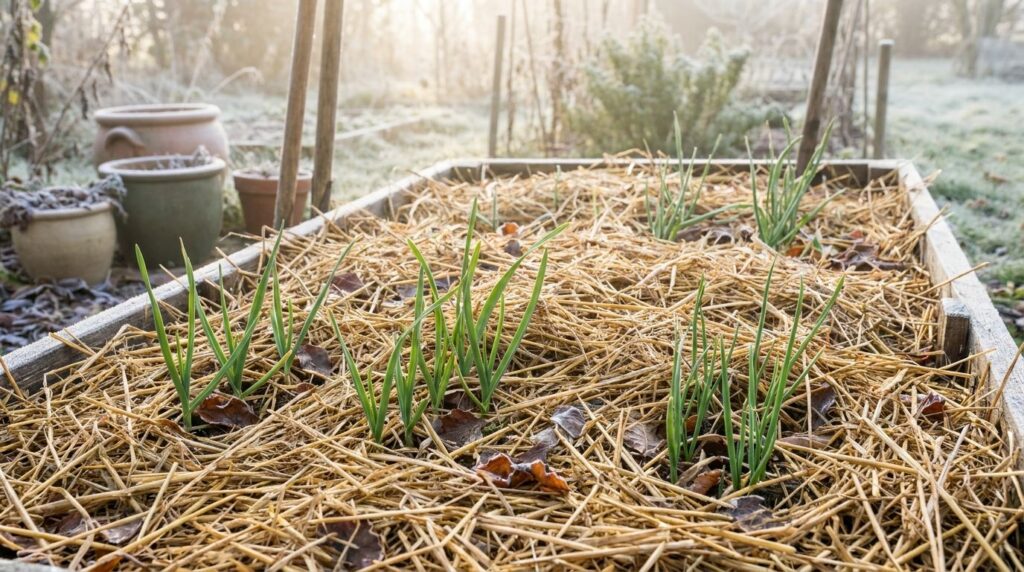
- Care Tips: Mulch heavily with straw or leaves (4-6 inches) after planting to protect the cloves from extreme cold and retain moisture. Water consistently if rainfall is scarce, especially during dry spells in winter.
2. Onions: Sweet & Savory Staples
Similar to garlic, planting certain varieties of onions in November can lead to an early spring harvest of delicious green onions or mature bulbs by early summer. Look for ‘short-day’ onion varieties in warmer climates and ‘long-day’ or ‘intermediate-day’ for cooler zones, or simply plant onion sets (small, immature bulbs).
- How to Plant: Plant onion sets about 1 inch deep and 4-6 inches apart. If planting seeds, sow them thinly and later thin seedlings to 4-6 inches apart. Ensure a sunny location with rich, well-draining soil.
- Care Tips: Keep the area weed-free as onions don’t compete well. A light layer of mulch can help moderate soil temperatures and suppress weeds. Water when the top inch of soil feels dry.
3. Spinach: Your Winter Green Powerhouse
Spinach is a fantastic cool-season crop that can be planted in November for a late fall harvest or to overwinter for an early spring crop. It’s incredibly nutritious and relatively easy to grow.
- How to Plant: Sow seeds directly into prepared garden beds, about 1/2 inch deep and 1 inch apart. Once seedlings emerge, thin them to 3-6 inches apart. Choose a location with partial to full sun and fertile, moist soil.
- Care Tips: Keep the soil consistently moist but not waterlogged. A layer of straw mulch can help protect plants from sudden temperature drops and keep greens cleaner. Harvest outer leaves as needed to encourage continuous production.
4. Fenugreek: A Culinary and Medicinal Delight
Often overlooked, fenugreek is a versatile herb and vegetable that can thrive in cooler temperatures. Its leaves add a unique flavor to dishes, and its seeds are a common spice. Planting in November can yield tender greens.
- How to Plant: Sow seeds about 1/4 inch deep and 2-3 inches apart in well-drained soil. Fenugreek prefers full sun but can tolerate partial shade, especially in warmer climates.
- Care Tips: Keep the soil moist until germination and throughout its growth. Fenugreek is relatively low-maintenance, but consistent watering will ensure lush, tender leaves. Harvest leaves young for the best flavor.
5. Peas: Sweet Rewards for Spring
While often thought of as a spring crop, planting hardy varieties of peas (especially sugar snap or snow peas) in November in milder climates can result in an earlier spring harvest. The plants establish roots over winter and burst into growth when temperatures rise.
- How to Plant: Plant seeds 1 inch deep and 2 inches apart, in rows that are 18-24 inches apart. Provide a trellis or support system for climbing varieties. Peas prefer full sun and well-drained soil.
- Care Tips: Peas need consistent moisture, especially during flowering and pod development. Mulching can help retain soil moisture and regulate temperature. Protect young seedlings from hard frosts if necessary.
6. Carrots: Earth’s Sweet Treat
Root vegetables like carrots are excellent for fall and winter planting. Cooler soil temperatures can actually enhance their sweetness. Planting in November means you’ll have a delightful harvest in late winter or early spring.
- How to Plant: Sow seeds thinly about 1/4 inch deep in loose, stone-free soil. Ensure the soil is fine and well-worked to allow for straight root growth. Once seedlings are a few inches tall, thin them to 2-4 inches apart.
- Care Tips: Keep the soil consistently moist. Carrots need even moisture to develop properly and prevent cracking. Mulching can protect roots from light freezes and help maintain soil moisture.
General Tips for November Planting Success
Beyond choosing the right vegetables, a few general gardening practices will help ensure your November plantings thrive:
- Soil Preparation: Ensure your soil is well-draining and amended with compost. Good drainage is crucial to prevent root rot in wetter, cooler conditions.
- Mulch, Mulch, Mulch: A generous layer of organic mulch (straw, leaves, wood chips) is your best friend. It insulates the soil, protects roots from extreme temperature fluctuations, conserves moisture, and suppresses weeds.
- Water Wisely: While plants generally need less water in cooler months, don’t let the soil dry out completely. Water deeply but infrequently, especially during dry spells.
- Choose Hardy Varieties: Whenever possible, select cold-hardy varieties of your chosen vegetables.
- Consider Row Covers: For extra protection from harsh frosts, consider using floating row covers. They can extend your growing season significantly.
Extend Your Harvest and Enjoy the Process!
Gardening in November is a wonderful way to defy the shortening days and continue to connect with nature. It’s incredibly satisfying to pull fresh vegetables from your garden when most others are dormant. Not only does it provide you with fresh, healthy produce, but it also enriches your gardening knowledge and extends the joy of harvesting.
So, don’t let the colder weather deter you. Grab your gardening gloves, embrace the chill, and get planting! Your taste buds (and your garden) will thank you for it. Happy planting!