Most people ignore this vibrant yellow bloom, seeing it only as a garden weed. But what if this common sight held a secret to your daily wellness? Dandelion flowers, often dismissed, are a true gift from nature, packed with fascinating potential that many herbalists keep close at hand. This isn’t just about pretty petals; it’s about practical, accessible health benefits that are often overlooked. Forget the broad herbal essays; let’s dive into how you can tap into this hidden treasure right from your own backyard or local green space.
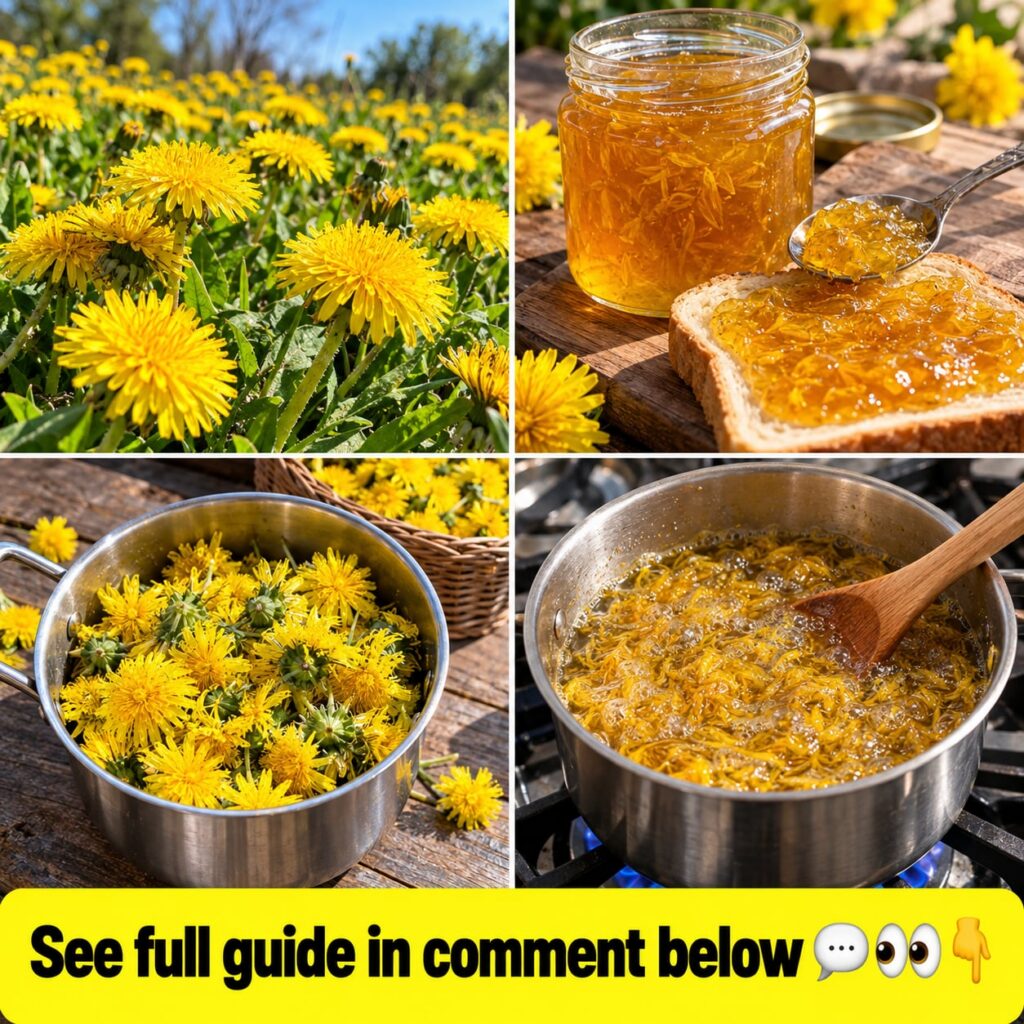
What Are Dandelion Flowers?
Dandelion flowers come from the plant Taraxacum officinale, a resilient perennial herb known globally. While the entire dandelion plant – roots, leaves, and flowers – has a long history in traditional practices, we’re focusing specifically on the sunny yellow blossoms today. These flowers are more than just a pop of color; they contain compounds that contribute to their unique properties, making them a valuable ingredient for various DIY remedies.
Ingredients for Your Dandelion Flower Infusion
To create a simple and effective dandelion flower infusion (tea), you only need two primary ingredients:
- Fresh Dandelion Flowers (or Dried)
- Hot Water
Approximate Measurements
Getting the right balance ensures you get the most out of your infusion. Here are the recommended measurements:
- For Fresh Flowers: Approximately 1 cup of loosely packed, clean dandelion flowers per 8-10 ounces (about 250-300 ml) of hot water.
- For Dried Flowers: Approximately 2 tablespoons of dried dandelion flowers per 8-10 ounces (about 250-300 ml) of hot water.
Formula: Dandelion Flower Infusion (Tea)
This simple formula creates a gentle, flavorful tea that allows you to experience the benefits of dandelion flowers directly.
Step-by-Step Method
Preparing your dandelion flower infusion is straightforward, but a few key steps make all the difference:
- Harvest or Prepare Flowers: If using fresh, carefully select vibrant, fully open dandelion flowers from an area you know is free from pesticides and pollution. Gently pluck the flower heads from their stems. If using dried, ensure they are from a reputable source.
- Clean Your Flowers: Rinse fresh flowers gently under cool water to remove any dirt or small insects. Pat them dry with a clean cloth or paper towel.
- Boil Water: Bring fresh, filtered water to a rolling boil.
- Combine: Place your fresh or dried dandelion flowers in a heat-proof mug or teapot.
- Steep: Pour the hot water over the flowers.
- Cover: Cover your mug or teapot to prevent the volatile compounds from escaping with the steam.
- Infuse: Let the flowers steep for 5-10 minutes. A longer steeping time will result in a stronger flavor and deeper infusion.
- Strain: Strain the liquid into another mug, discarding the spent flowers.
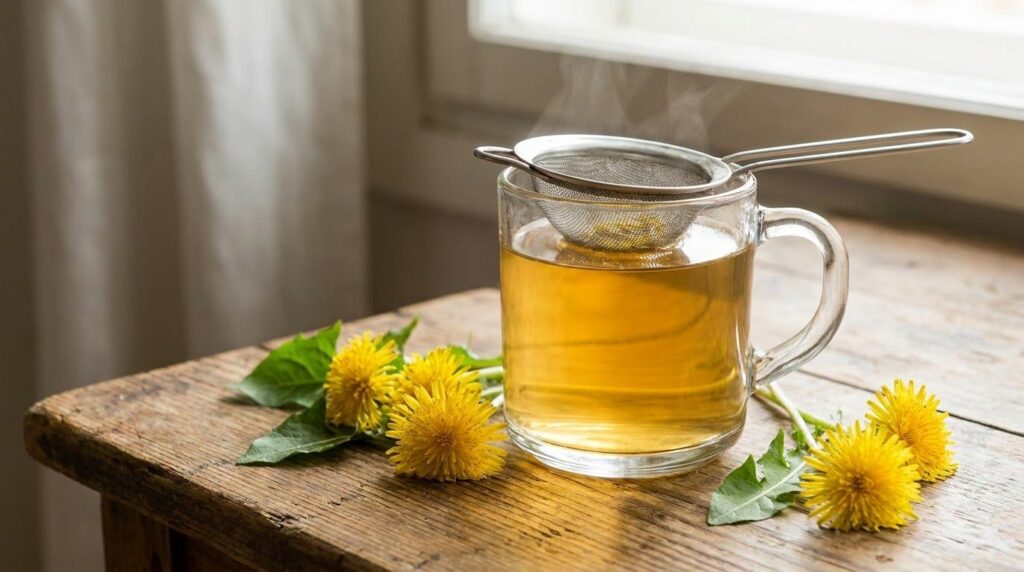
How to Use Your Dandelion Flower Tea
The primary use for a dandelion flower infusion is as a nourishing beverage. It can be enjoyed warm or cooled. Some people prefer to add a touch of honey or lemon to enhance the flavor, especially if they are new to herbal teas.
How Often to Use
For general wellness, consuming 1-2 cups of dandelion flower tea daily is a common practice. Listen to your body and adjust as needed. It’s often best to start with a smaller amount and gradually increase if you find it beneficial and well-tolerated.
How to Buy / How to Choose Ingredients
Choosing the right dandelion flowers is crucial for an effective and safe remedy.
- Foraging Fresh: If foraging, choose dandelions from areas untouched by pesticides, herbicides, or heavy traffic pollution. Look for vibrant, fully open flowers on sunny days, ideally in the mid-morning after dew has dried. Avoid any that look wilted or discolored.
- Buying Dried: If purchasing dried dandelion flowers, always opt for organic, reputable herbal suppliers. This ensures they are free from contaminants and have been properly harvested and dried to preserve their quality.
Storage
Proper storage maintains the potency and freshness of your dandelion remedy.
- Fresh Flowers: Use fresh flowers immediately for the best results. If you must store them briefly, place them in a loosely covered container in the refrigerator for no more than 1-2 days.
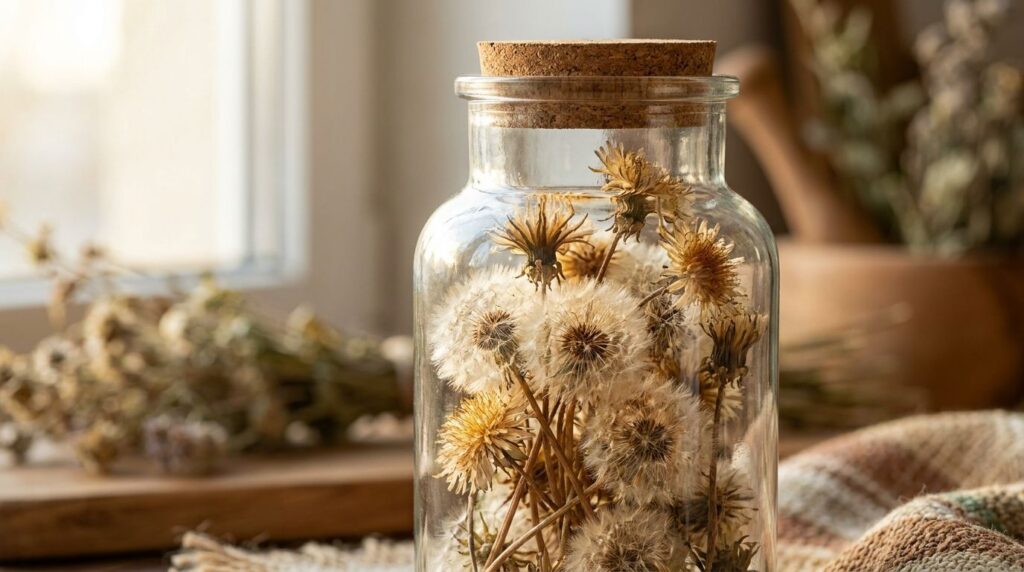
- Dried Flowers: To dry fresh flowers, spread them in a single layer on a clean screen or cloth in a well-ventilated area, away from direct sunlight. Once completely dry and brittle, store them in an airtight glass jar in a cool, dark place for up to one year.
- Brewed Tea: Dandelion flower tea is best enjoyed fresh. If you have leftovers, store them in a sealed container in the refrigerator for up to 24 hours. Reheat gently or enjoy cold.
Quick Tip: Fresh vs. Dried Dandelion Flowers
Here’s a quick comparison to help you decide which to use:
| Feature | Fresh Dandelion Flowers | Dried Dandelion Flowers |
| Availability | Seasonal (spring/early summer) | Year-round |
| Potency | Often perceived as more vibrant, fresh flavor | Concentrated, easier to store |
| Preparation | Requires cleaning & immediate use | Ready to use, longer shelf life |
| Flavor | Milder, sometimes slightly sweet | Earthier, more robust |
Practical Tips for Your Dandelion Flower Remedy
- Cleanliness is Key: Always ensure your foraging area is clean and free of pollutants.
- Temperature Matters: Use near-boiling water for steeping, but avoid re-boiling already boiled water as it can affect the tea’s flavor.
- Listen to Your Body: Pay attention to how your body reacts, especially when trying any new herbal remedy.
Common Mistakes to Avoid
One small preparation mistake can ruin the whole batch or diminish the benefits. Avoid these common errors:
- Using Contaminated Flowers: Never pick dandelions from roadsides, golf courses, or lawns treated with chemicals. This is the part most people skip, and it’s vital for safety.
- Improper Cleaning: Not rinsing fresh flowers thoroughly can leave dirt or insects in your tea.
- Over-Steeping: While a longer steep makes a stronger tea, excessively long steeping can sometimes result in a more bitter flavor.
- Confusing Plants: Ensure you are correctly identifying dandelions. While many yellow flowers look similar, true dandelions have a distinctive hollow, leafless stem and a single flower head per stem.
- Storing Wet Flowers: If drying flowers, ensure they are completely dry before storing in airtight containers to prevent mold growth.
Did You Know? Dandelion’s Sunny Secret
Dandelion’s name comes from the French “dent de lion,” meaning “lion’s tooth,” referring to its jagged leaves. However, it’s the sunny flowers that hold a surprising sweetness, particularly when brewed into a tea. Their bright color isn’t just for show!
Cautions / Who Should Avoid It
While generally considered safe for most people, certain individuals should exercise caution or avoid dandelion flower remedies:
- Allergies: If you are allergic to plants in the daisy family (ragweed, chrysanthemums, marigolds), you might be allergic to dandelion.
- Gallbladder Issues: Individuals with gallbladder disease or gallstones should consult a healthcare professional before use, as dandelion can stimulate bile flow.
- Medication Interactions: Dandelion can act as a diuretic and may interact with medications like diuretics, lithium, or blood thinners. Consult your doctor if you are on medication.
- Pregnancy and Breastfeeding: There isn’t enough reliable information about the safety of using dandelion flowers during pregnancy or breastfeeding, so it’s best to avoid use during these times or consult a healthcare provider.
Quick Summary
Dandelion flower tea is a simple, natural remedy. Harvest clean, fresh flowers or source quality dried ones. Steep approximately 1 cup fresh (or 2 tbsp dried) per 8-10 oz of hot water for 5-10 minutes. Enjoy 1-2 times daily. Store fresh flowers briefly, dry thoroughly for long-term storage, and consume brewed tea within 24 hours. Always avoid contaminated flowers and consult a doctor if you have health conditions or take medications.
FAQ
- Can I use the entire dandelion plant for tea?
While the roots and leaves are also used in herbal remedies, this article specifically focuses on the flowers for a unique infusion. Each part offers different benefits and flavors. - How long does dandelion flower tea last once brewed?
It’s best consumed fresh. You can refrigerate any leftovers in a sealed container for up to 24 hours. - Can I refrigerate fresh dandelion flowers?
You can store fresh, unwashed dandelion flowers loosely in a paper bag or container in the refrigerator for 1-2 days, but they are best used immediately after picking. - Is dandelion flower tea safe for children?
While generally considered mild, it’s always best to consult a pediatrician before giving any herbal remedy to children. - What’s the best time to drink dandelion flower tea?
You can enjoy it anytime, morning or evening. Some find it a pleasant start to their day, while others enjoy it as a calming evening drink. - Can I add other ingredients to my dandelion flower tea?
Absolutely! Honey, lemon, or a pinch of ginger can complement the flavor. - How do I know if the dandelions I pick are safe?
Only pick dandelions from areas you are certain have not been sprayed with pesticides or herbicides and are far from vehicle exhaust or industrial pollution. Organic gardens or wild, undisturbed fields are ideal.
Conclusion
The humble dandelion flower, often seen as a nuisance, is truly a hidden gem in the world of natural wellness. By understanding how to properly harvest, prepare, and use these vibrant blooms, you can easily incorporate a simple, natural remedy into your daily routine. Don’t overlook the power in plain sight – embrace the dandelion and discover its gentle yet effective support for your well-being.
You may also like: The Complete Guide to Herbal Infusions
Read more: Natural Remedies for Everyday Wellness
Continue with: How to Make Your Own Herbal Oils