Embrace the Power of Your Freezer: A Guide to Smarter Food Management
How often do we find ourselves tossing out produce that went bad too quickly, or ingredients we bought with good intentions but never got around to using? Food waste is a significant challenge for many households, impacting both our budgets and the environment. But what if we told you that one of the most powerful tools for combating this issue is already in your kitchen? That’s right – your freezer!
At Nature’s Wellness Table, we believe in empowering you with practical, achievable steps towards a healthier, more sustainable lifestyle. Learning to smart-freeze your food is a game-changer, transforming your kitchen into a hub of efficiency, flavor, and mindful consumption. It’s not just about stopping spoilage; it’s about preserving nutrients, saving time, and unlocking endless possibilities for delicious, homemade meals.
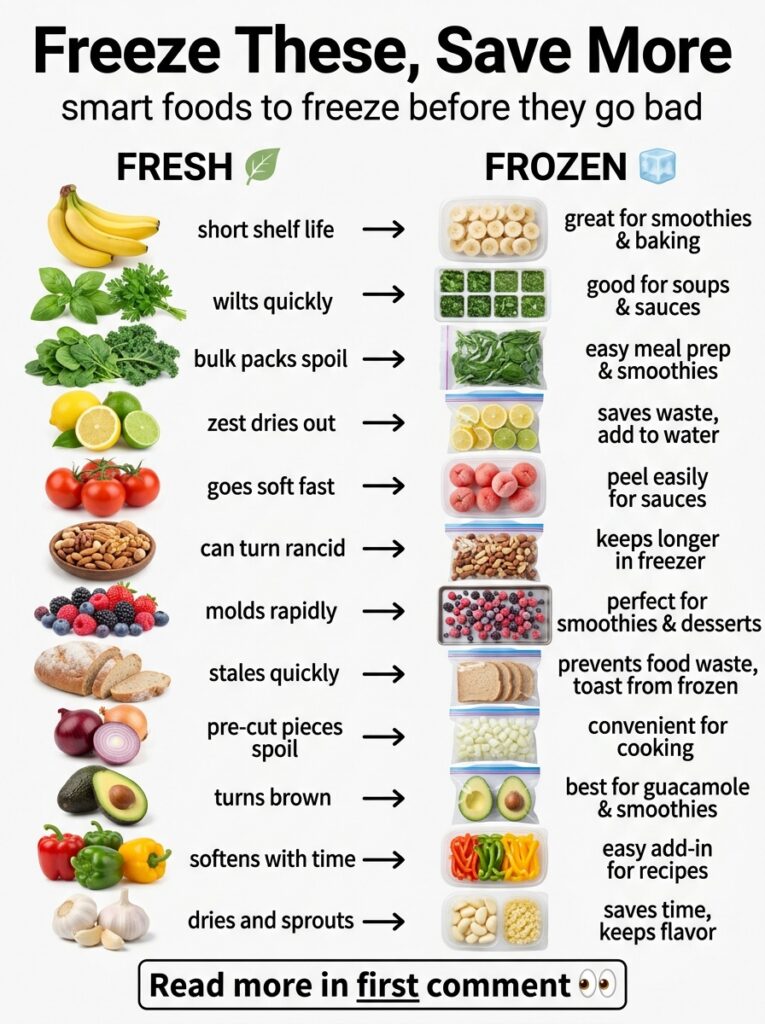 Discover how to save more and waste less with smart freezing strategies.
Why Your Freezer is Your Best Friend
Beyond simply keeping ice cream cold, your freezer offers a wealth of benefits:
- Reduce Food Waste: This is perhaps the most immediate and impactful benefit. By freezing items before they spoil, you give them a new lease on life, ensuring that your nutritious purchases don’t end up in the bin.
- Save Money: Buying ingredients in bulk when they’re on sale, then freezing portions, can lead to significant savings over time. You’ll also minimize those last-minute takeout orders because you’ll have prepped ingredients on hand.
- Boost Meal Prep & Convenience: Imagine having smoothie-ready fruit, chopped onions, or pre-portioned herbs just waiting to be added to your next dish. Freezing makes meal prep a breeze, saving you precious time on busy weeknights.
- Preserve Nutrients & Flavor: Freezing locks in the nutrients and fresh taste of many foods at their peak, often better than canning or drying, which can involve heat that degrades some vitamins.
Getting Started: General Freezing Best Practices
Before diving into specific foods, here are some universal tips for successful freezing:
- Prep Properly: Wash, dry, and often chop or blanch your food before freezing. Blanching (briefly boiling then plunging into ice water) vegetables helps preserve their color, flavor, and texture.
- Use Airtight Containers: Air is the enemy of frozen food, causing freezer burn. Use freezer-safe bags (squeezing out as much air as possible), rigid containers, or vacuum-seal bags.
- Portion Control: Freeze foods in portions you’ll likely use at one time. This prevents you from having to thaw and refreeze large quantities.
- Label Everything: Always label with the contents and the date frozen. A good rule of thumb is to use most frozen items within 6-12 months for best quality.
- Cool Completely: Never put hot food directly into the freezer, as it can raise the temperature of other items and lead to thawing.
Smart Foods to Freeze Before They Go Bad: A Detailed Guide
Let’s look at some common kitchen staples and how to freeze them effectively, extending their shelf life and making your cooking easier:
1. Fruits: Your Smoothie & Baking Saviors
Fruits are often the first to turn, but they’re incredibly freezer-friendly! Freezing them is perfect for future smoothies, baking projects, or even a refreshing snack.
- Bananas: Peel ripe bananas, slice them into rounds, and spread them on a baking sheet lined with parchment paper. Once frozen solid (after about an hour or two), transfer to a freezer bag. Ideal for smoothies, banana bread, or “nice” cream.
- Berries (Strawberries, Blueberries, Raspberries): Wash and thoroughly dry berries. Spread them in a single layer on a baking sheet to flash-freeze. Once solid, transfer to freezer bags. This prevents them from clumping together. Perfect for smoothies, oatmeal, muffins, or fruit sauces.
- Other Sliced Fruits (Peaches, Mangoes): Follow the same flash-freeze method as berries.
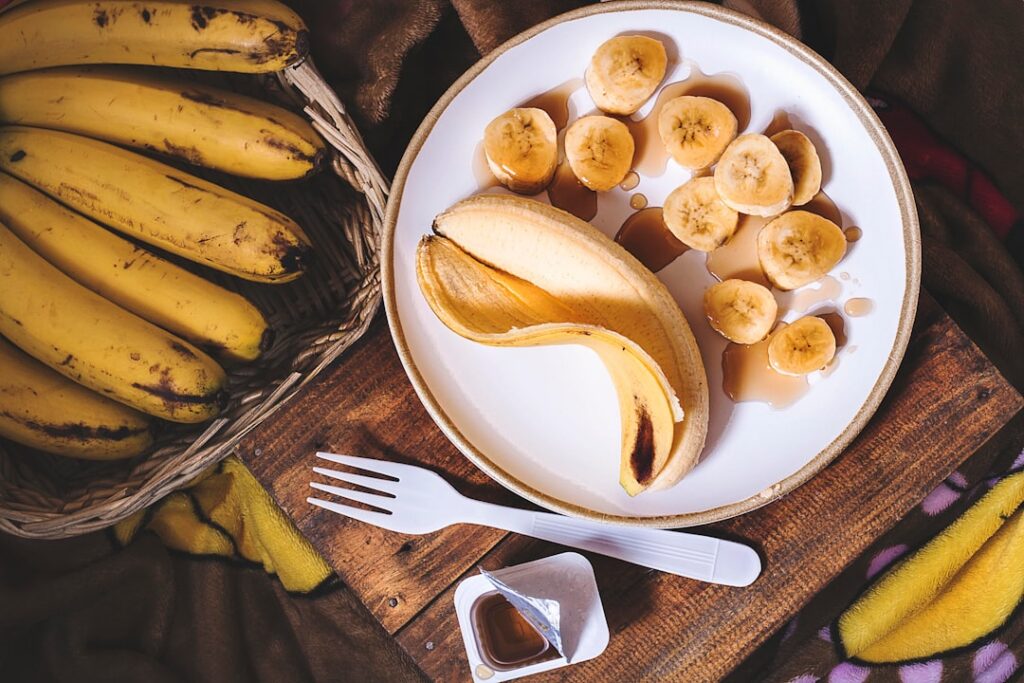 Freezing bananas ensures you always have a sweet base for your smoothies.
2. Vegetables: Flavorful Additions to Any Dish
Many vegetables can be frozen, saving you chopping time later and ensuring you always have healthy options on hand.
- Onions: Dice raw onions and spread them on a baking sheet to flash-freeze. Transfer to a freezer bag once solid. They’re fantastic for adding straight to soups, stews, sauces, or sautés. No more watery eyes while chopping!
- Spinach & Leafy Greens: Briefly blanch or simply wash, chop, and squeeze out excess water. Pack tightly into freezer-safe bags or even ice cube trays with a little water. Great for adding to smoothies, soups, casseroles, or pasta sauces. They wilt quickly when fresh, so freezing them is a smart move.
- Bell Peppers: Slice or dice bell peppers. You can flash-freeze them or simply spread them on a tray and transfer to a freezer bag once solid. Use them in stir-fries, fajitas, omelets, or as a pizza topping.
- Broccoli & Cauliflower: Break into florets, blanch for 2-3 minutes, then plunge into ice water to stop cooking. Drain well and freeze in bags. Ideal for quick side dishes, roasted vegetables, or adding to curries.
3. Herbs: Tiny Powerhouses for Flavor
Fresh herbs can be expensive and often come in larger bunches than you need. Freezing them is a brilliant way to capture their vibrant flavor.
- Basil, Parsley, Cilantro, Dill: Chop your herbs finely. Fill ice cube trays with the chopped herbs and top with a little olive oil or water. Freeze until solid, then pop out the cubes and store them in a freezer bag. These herb cubes can be tossed directly into soups, stews, sauces, or pan-fried dishes for an instant burst of fresh flavor.
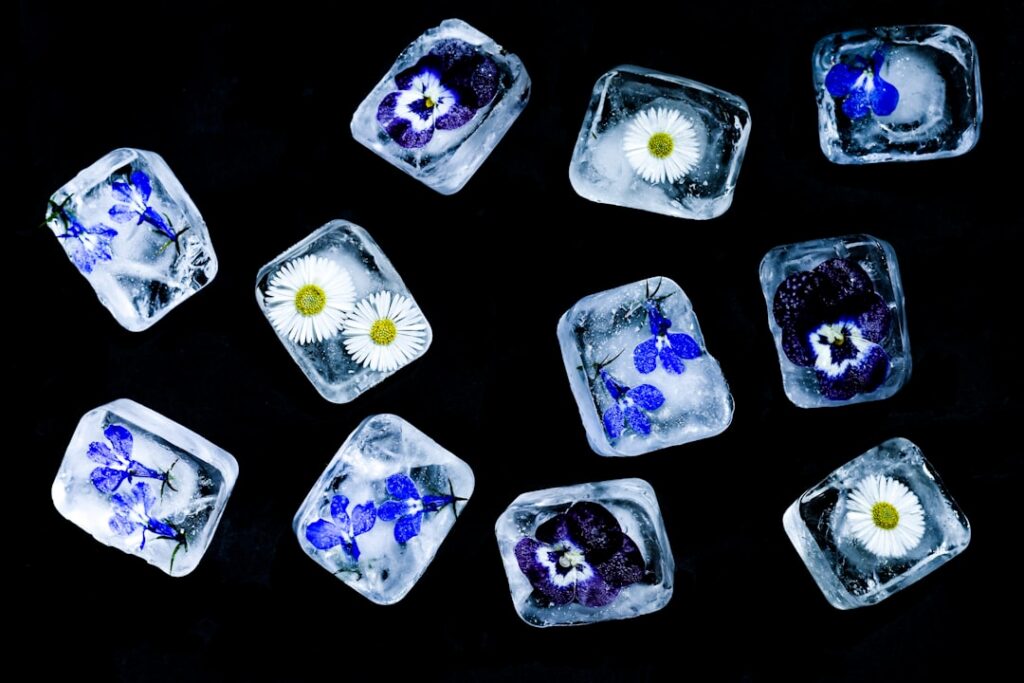 Herb cubes in olive oil are a convenient way to add fresh flavor to your cooking.
4. Bread: Never Waste a Loaf Again
Bread goes stale quickly, but it freezes beautifully.
- Loaves & Slices: Wrap whole loaves or individual slices tightly in plastic wrap, then place in a freezer bag. You can toast slices directly from frozen, or thaw a whole loaf at room temperature. Perfect for sandwiches, toast, or making homemade croutons or breadcrumbs.
5. Nuts: Preserving Good Fats
While nuts don’t “go bad” in the same way produce does, their natural oils can turn rancid over time, impacting flavor. Freezing can prevent this.
- Raw Nuts (Almonds, Walnuts, Pecans): Store raw nuts in an airtight container or freezer bag in the freezer. This extends their freshness significantly, keeping their healthy fats intact and preventing them from developing an off-flavor.
Make Your Freezer Your Ally
Adopting smart freezing habits is a simple yet impactful way to take control of your kitchen, reduce waste, and enhance your journey towards holistic wellness. It’s an act of mindfulness – using what you have, savoring every ingredient, and planning for a healthier, more convenient future.
Start small, choose a few items from this list to try freezing this week, and watch how quickly your freezer transforms into a powerhouse of convenience and sustainability. Your wallet, your taste buds, and the planet will thank you!