Hearing scurrying noises in the walls or spotting suspicious droppings can quickly turn your home into a less comfortable space. Unwanted guests like rats are a common problem, but before you reach for harsh chemicals, there’s a simple, non-toxic DIY approach you can try to help confirm their presence or guide them to traps.
This method focuses on using an appealing, paste-like bait to draw them out, making it easier to monitor their activity or implement effective trapping solutions. It’s an affordable and practical first step in addressing a pest problem without relying on potentially harmful substances.
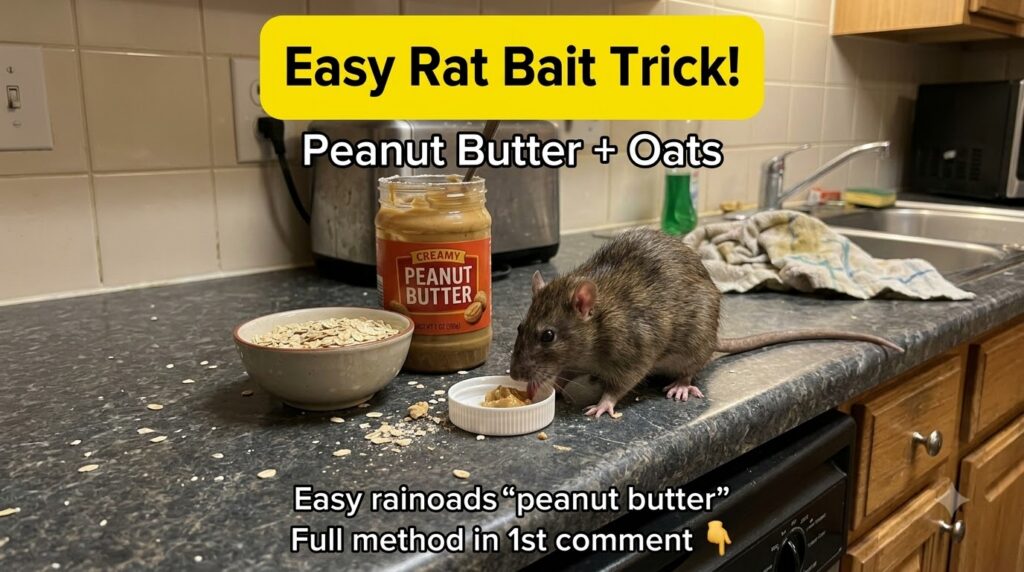
What You’ll Need
- Creamy peanut butter: 1-2 tablespoons
- Small, shallow dish or bottle cap
- Spoon or small spatula
- Optional: Rat traps (humane or snap traps)
Why This DIY Can Be Useful
Peanut butter is more than just a tasty spread; it’s an incredibly effective attractant for rodents. Its strong, appealing scent can travel surprisingly far, drawing rats out from their hiding spots. The rich, high-fat content makes it a desirable food source, and its sticky, paste-like texture encourages rats to spend more time consuming it at the bait location, rather than grabbing it and running off. This extended engagement at the bait site is crucial for effective detection or guiding them into a trap.
How to Make It
- Scoop 1 to 2 tablespoons of creamy peanut butter into your small, shallow dish or bottle cap. The quantity should be enough to cover the bottom of the dish slightly.
- Use the back of your spoon or a small spatula to spread the peanut butter slightly. This makes it more accessible for rats and increases the surface area for scent release.
How to Use It
Proper placement is key to the success of this baiting method.
- Identify Activity Zones: Look for signs of rat activity such as droppings, gnaw marks on food packaging or structures, or listen for scurrying sounds, especially at night. Common areas include kitchens, pantries, attics, basements, and behind appliances.
- Strategic Placement: Place the small dish with the peanut butter bait directly on the floor. Rats typically travel along walls, so position the bait near baseboards, under sinks, behind refrigerators, or in other secluded, undisturbed spots where you suspect they frequent.
- Integrate with Traps (Recommended): For best results, use this bait in conjunction with actual traps. Place the baited dish next to a snap trap or inside a humane trap. You can also smear a very small amount of peanut butter directly onto the bait plate of a trap to maximize attraction.
- Monitor Regularly: Check the bait and any accompanying traps daily. This will help you confirm rat presence and assess the effectiveness of your efforts.
What to Expect
You should expect to see signs of the bait being eaten, which is a clear indication of rat activity in the area. If you’re using traps, consuming the bait should lead to successful captures. Remember, this DIY is primarily for attraction and detection. While it helps confirm and pinpoint rat presence, consistent monitoring and appropriate trapping strategies are essential for effective removal and control of a rodent problem.
Helpful Tips
- Creamy Over Chunky: Use creamy peanut butter. Its smooth consistency makes it harder for rats to quickly snatch and run off, ensuring they spend more time at the bait source, increasing the likelihood of engaging with a trap.
- Refresh Bait: Peanut butter’s strong scent can fade over time, especially in warmer conditions. Replace the bait every few days to keep it fresh and highly attractive.
- Wear Gloves: When handling bait and traps, wear gloves. Human scent can sometimes deter cautious rodents.
- Combine with Sanitation: Make your bait even more appealing by removing competing food sources. Keep food sealed, clean up crumbs, and promptly dispose of garbage.
Important Notes / Safety
- Always place the bait and any traps in locations inaccessible to children and household pets to prevent accidental ingestion or injury.
- Exercise caution when setting and handling snap traps to avoid personal injury.
- This DIY method is designed to attract and help detect rats. For complete and effective pest removal, consider integrating it with professional pest control advice or a comprehensive trapping program.
- If you catch a rat, dispose of it humanely and hygienically, following any local regulations for pest disposal.