Are you tired of battling tough kitchen stains and odors with an arsenal of harsh chemical cleaners? What if we told you that the secret to a sparkling clean home might be hiding right in your pantry and fruit bowl? Get ready to discover the simple, yet incredibly effective, magic of natural cleaning with just two everyday heroes: lemons and baking soda!
This dynamic duo isn’t just for baking or lemonade; it’s a powerful, eco-friendly solution ready to tackle grime, cut through grease, and leave your kitchen and bathroom surfaces gleaming, all without the worry of noxious fumes or abrasive damage. Say goodbye to expensive, specialized cleaners and embrace a truly natural home cleaning hack that actually works!
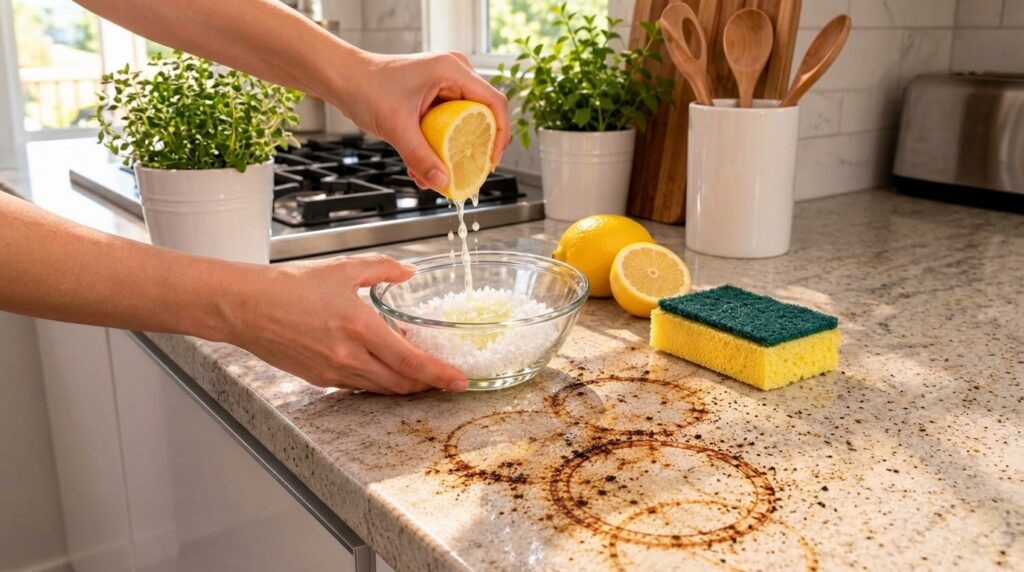
Why Lemon & Baking Soda Are Your Cleaning Dream Team
Understanding why this humble pair is so potent for home cleaning can help you appreciate its versatility and effectiveness. It’s more than just mixing two ingredients; it’s about harnessing their individual chemical properties for a synergistic cleaning effect.
The Power of Lemon (Citric Acid)
- Natural Bleach Alternative: Lemon juice is a natural acid (citric acid) that helps to lighten stains and brighten surfaces. It’s particularly effective on discoloration caused by hard water, rust, and food spills.
- Degreaser: Its acidic nature helps to cut through grease and grime, making it easier to wipe away stubborn residues from stovetops and countertops.
- Deodorizer: The fresh, clean scent of lemon is a fantastic natural odor eliminator, neutralizing unpleasant smells rather than just masking them.
- Antiseptic Properties: While not a disinfectant in the same league as bleach, lemon juice does possess some natural antimicrobial properties that can help in basic household cleaning.
The Strength of Baking Soda (Sodium Bicarbonate)
- Gentle Abrasive: Baking soda’s fine crystalline structure makes it a mild abrasive, perfect for scrubbing away dirt and cooked-on food without scratching delicate surfaces like stainless steel, porcelain, or glass.
- Odor Absorber: Sodium bicarbonate is renowned for its ability to absorb and neutralize odors by bringing acidic and basic odor molecules into a more neutral state.
- Alkaline Base: As an alkali, baking soda reacts with acidic grime and stains (like those found in soap scum or coffee stains), helping to lift them from surfaces. When combined with an acid like lemon juice, it creates a fizzing action that physically helps dislodge dirt.
The All-Purpose Lemon & Baking Soda Cleaning Paste
This simple paste is incredibly versatile and can be customized to suit your cleaning needs. It’s perfect for tackling everything from stubborn kitchen stains to grimy bathroom fixtures.
What You’ll Need:
- 1/2 cup Baking Soda
- 2-3 tablespoons Fresh Lemon Juice (or enough to form a paste)
- Small bowl
- Non-abrasive sponge or cloth
- Optional: Small brush (for grout)
Step-by-Step Guide:
- Mix Your Ingredients: In a small bowl, slowly add lemon juice to the baking soda, stirring constantly. You’ll notice a fizzing reaction – this is good! It means the ingredients are activating.
- Adjust Consistency: Continue adding lemon juice until you achieve a thick, spreadable paste. It should be firm enough to stick to surfaces but not too dry or crumbly. If you add too much lemon juice, just add a little more baking soda.
- Apply the Paste: Apply the paste directly to the stained or dirty area using your sponge or fingers. For tough spots, you can apply a thicker layer.
- Let it Work: Allow the paste to sit on the surface for 5-10 minutes. For very stubborn stains, you can leave it for up to 30 minutes. The longer it sits, the more time it has to penetrate and loosen the grime.
- Scrub and Wipe: Using your non-abrasive sponge or cloth, gently scrub the area in circular motions. For grout lines or intricate areas, a small brush can be very effective.
- Rinse and Buff: Wipe away the paste with a clean, damp cloth. For sparkling results, follow with a dry cloth to buff the surface to a shine.
Where to Use This Powerful Duo
The lemon and baking soda paste is a true multitasker. Here are some of the best places to put it to work:
Kitchen Countertops (Non-Porous)
Effectively removes food stains, coffee rings, and general grime from laminate, solid surface, and quartz countertops. Always test on an inconspicuous area first, especially on natural stone like marble or granite, as lemon’s acidity can etch these surfaces.
Sinks and Faucets
Tackle hard water spots, soap scum, and general buildup in stainless steel, porcelain, and ceramic sinks. The paste will leave your faucets sparkling and free of unsightly watermarks.
Stovetops and Ovens
Say goodbye to cooked-on food spills and grease. Apply the paste, let it sit, and then scrub away the baked-on mess. This is a fantastic natural oven cleaner for light to medium grime.
Grout and Tiles
Restore the brightness of your tile grout. The fizzing action helps lift embedded dirt, while the abrasive quality of baking soda scrubs it away. Use an old toothbrush for precise application and scrubbing.
Cutting Boards
To freshen and lighten stains on wooden or plastic cutting boards, sprinkle baking soda, then rub with half a lemon. Let it sit, then rinse thoroughly. This also helps eliminate food odors.
Safety First! Important Considerations
- Test First: Always test the paste on an inconspicuous area of any surface you plan to clean, especially on natural stone, painted surfaces, or delicate finishes, to ensure no discoloration or damage occurs.
- Avoid Acid-Sensitive Surfaces: Do NOT use lemon juice on natural stone like marble, granite, or travertine, as the acid can etch and dull the finish. It’s also best to avoid prolonged contact with brass or plated metals, as it can cause tarnishing.
- Ventilation: While natural, it’s always good practice to ensure proper ventilation when cleaning.
- Skin Sensitivity: If you have sensitive skin, consider wearing gloves, especially when cleaning larger areas, as the acidity of lemon juice can be drying.
- Storage: Prepare only what you need, as the paste is most effective when fresh. It can be stored in an airtight container for a short period (a few days) but may lose some of its effervescence.
Tips for Best Results
- Warm Surfaces: Cleaning a slightly warm surface (e.g., a stovetop that’s just cooled down) can sometimes enhance the cleaning action.
- Vinegar Alternative: If you don’t have lemons, white vinegar can be used with baking soda for a similar fizzing action, but it won’t offer the same brightening or fresh scent.
- Regular Maintenance: For best results, use this natural cleaning solution as part of your regular home maintenance routine to prevent heavy buildup.
Embracing these simple, natural home cleaning hacks not only keeps your home sparkling clean but also contributes to a healthier environment for you and your family. Give the lemon and baking soda paste a try, and prepare to be amazed by the natural shine it unlocks!