Tired of scrubbing endlessly at stubborn stains, only to be met with disappointment and the harsh smell of chemical cleaners? What if we told you that two common pantry staples could be your secret weapon against grime, rings, and even light rust? Nature offers powerful solutions, and today, we’re diving deep into one of the simplest yet most effective home hacks: the magic of lemon juice and salt.
This dynamic duo isn’t just for cooking; it’s a formidable force in the world of natural home cleaning. Forget expensive, multi-purpose products – with a fresh lemon and a pinch of salt, you’re equipped to tackle tough messes, leaving your home sparkling clean and smelling fresh, without any harsh fumes.
The Dynamic Duo: Lemon Juice and Salt
Before we get to the how-to, let’s understand the science behind this powerful pairing. Why do lemon juice and salt work so well together?
- Lemon Juice: Nature’s Acidic Powerhouse. Lemons are rich in citric acid, a natural bleaching agent and disinfectant. This acid works by breaking down grease, dissolving mineral deposits (like hard water stains), and lifting grime from surfaces. It’s also known for its antibacterial properties and its incredibly fresh, clean scent.
- Salt: The Gentle Abrasive. Common table salt or coarse sea salt provides a natural scrubbing action. Its granular texture helps to scour away stubborn residue without scratching most hard surfaces. When combined with the lemon’s acidity, the salt acts like a gentle sandpaper, enhancing the cleaning power and helping to dislodge caked-on dirt and stains.
Together, they create a potent yet natural paste that can cut through a surprising array of household messes.
DIY Stain Remover: Your Step-by-Step Guide
Ready to put this natural cleaner to the test? Here’s how to create and use your lemon and salt stain remover.
What You’ll Need:
- 1-2 fresh lemons
- Approximately 1/4 cup coarse salt (e.g., sea salt, kosher salt)
- A small bowl or plate
- A scrub brush, sponge, or old toothbrush
- A clean cloth or paper towels
- Gloves (optional, for sensitive skin)
Simple Steps:
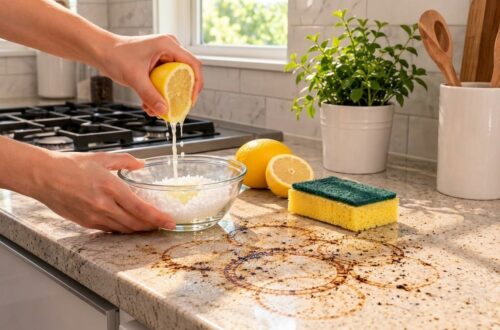
- Prepare Your Paste: Cut a lemon in half. In your small bowl, pour the coarse salt. Take one half of the lemon and dip the cut side directly into the salt, ensuring a generous coating. Alternatively, squeeze the juice of half a lemon into the bowl with the salt, mixing it to form a thick paste. The consistency should be scrubbable, not too runny.
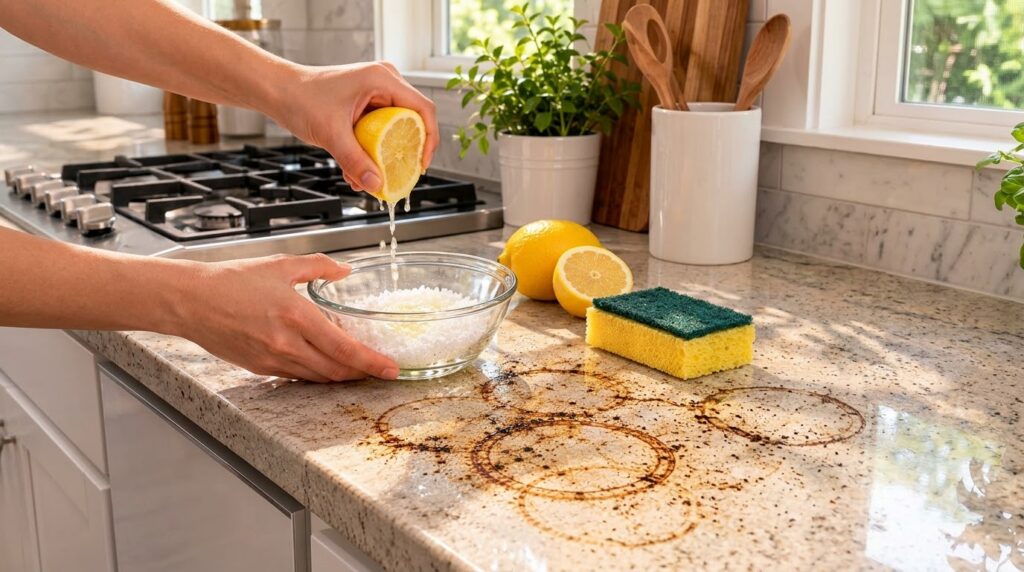
- Apply to the Stain: Take the salt-coated lemon half (or a spoonful of the paste) and apply it directly to the stained area. For stubborn stains, you can sprinkle a little extra salt directly onto the stain first.
- Scrub Gently: Using the lemon half itself (if you dipped it in salt) or a scrub brush/sponge, gently but firmly scrub the stained surface. The abrasive action of the salt combined with the lemon’s acid will start to lift the grime.
- Let It Sit (Optional but Recommended): For really tough stains, let the lemon and salt mixture sit on the surface for 5-15 minutes. This allows the citric acid more time to work its magic.
- Rinse and Wipe: After scrubbing and letting it sit, rinse the area thoroughly with clean water to remove all salt and lemon residue. Wipe dry with a clean cloth. Admire your sparkling clean surface!
Where to Use This Natural Powerhouse
This lemon and salt hack is surprisingly versatile. Here are some common household areas and items where it shines:
- Kitchen Countertops: Great for removing coffee rings, tea stains, food dyes, and general grime from non-porous surfaces like laminate, solid surface, or stainless steel.
- Cutting Boards: Use it to remove stubborn food stains and odors from wooden or plastic cutting boards. The lemon also helps to disinfect.
- Sinks: Tackle hard water stains, rust rings (light rust only), and general dinginess in stainless steel or porcelain sinks.
- Faucets: Restore the shine to tarnished or hard-water-stained chrome and stainless steel faucets.
- Copper and Brass: Polish up dull copper pots or brass items (perform a patch test first).
- Grout Lines: While not as powerful as some dedicated grout cleaners, it can help lighten mild discoloration in tile grout.
Not Recommended For:
- Porous Stone Surfaces: Avoid using lemon juice on natural stone like marble, granite, or travertine, as the acid can etch and damage the surface.
- Delicate Fabrics or Upholstery: The acid can bleach or damage certain dyes and materials.
- Finished Wood: The acid can strip finishes, leaving dull spots.
The Benefits Beyond Clean
Choosing lemon and salt for your cleaning tasks offers several compelling advantages:
- Eco-Friendly: You’re using natural, biodegradable ingredients, reducing your carbon footprint and avoiding harmful chemicals that can pollute waterways and air.
- Cost-Effective: Lemons and salt are inexpensive and readily available, saving you money on specialized cleaning products.
- Safe for Your Family and Pets: Without harsh chemicals, you create a safer environment, especially important if you have children or pets.
- Fresh Scent: Enjoy the bright, uplifting aroma of fresh lemon, a natural alternative to artificial fragrances.
Embracing simple, natural solutions like lemon and salt isn’t just about cleaning; it’s about making conscious choices for a healthier home and planet. Give this powerful duo a try, and discover how easy it is to achieve a sparkling clean with nature’s own ingredients. What’s your favorite natural cleaning tip? Share it with us!