There’s nothing quite like the joy of harvesting your own vegetables. The vibrant colors, the earthy smell, and the satisfaction of knowing you grew it yourself are truly rewarding. But sometimes, our harvest comes with a few surprises – misshapen carrots, spotted tomatoes, or wilting lettuce. Don’t worry, these aren’t signs of failure! In fact, your harvest often has valuable clues about the health of your garden. Learning to ‘read’ these imperfections can help you become a better gardener.
Just like a doctor reads symptoms, you can learn to diagnose common issues in your vegetable patch by observing your freshly picked produce. These visual cues can point to everything from nutrient deficiencies to pest problems, helping you adjust your gardening practices for future success.
Common Vegetable Imperfections and What They Mean
Let’s dive into some common problems you might encounter with your vegetable harvest and what they indicate about your garden.
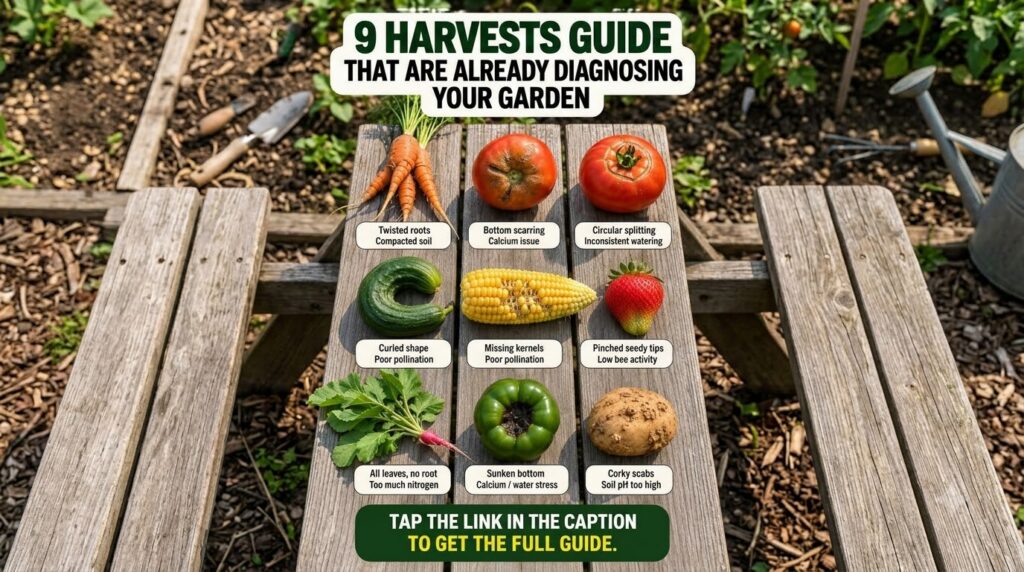
1. Misshapen or Forked Carrots/Root Vegetables
What it looks like: Carrots, parsnips, or other root vegetables that are branched, stunted, or develop multiple ‘legs’ instead of one straight root.
What it means: This is often a sign of rocky or compacted soil. When the young root encounters an obstruction, it tries to grow around it, leading to forking. It can also be caused by overcrowding or inconsistent moisture.
Solution: Prepare your soil thoroughly before planting root crops. Ensure it’s loose, well-draining, and free of rocks. Amend with compost to improve texture. Thin seedlings appropriately to give roots space to grow.
2. Blossom End Rot (Tomatoes, Peppers, Squash)
What it looks like: A dark, sunken, leathery spot on the blossom end (bottom) of the fruit, typically appearing when the fruit is still green or just starting to ripen.
What it means: This is a classic symptom of a calcium deficiency in the plant, often exacerbated by inconsistent watering. It’s not usually a lack of calcium in the soil itself, but rather the plant’s inability to absorb it efficiently due to fluctuating moisture levels.
Solution: Maintain consistent soil moisture by watering deeply and regularly, especially during dry spells. Mulching can help retain soil moisture. If soil pH is very low, adding a small amount of garden lime can help, but consistent watering is usually the key.
3. Cracked or Split Tomatoes
What it looks like: Concentric or radial cracks on the shoulders or sides of ripening tomatoes.
What it means: This common issue is almost always due to rapid changes in moisture. After a dry spell, a sudden heavy rain or excessive watering can cause the fruit to grow faster than its skin can expand, leading to cracking.
Solution: Provide consistent watering, especially as fruits begin to ripen. Mulch around plants to help regulate soil moisture. Choose crack-resistant varieties if this is a persistent problem in your garden.
4. Yellowing Leaves and Stunted Growth
What it looks like: Older leaves turning yellow, often starting at the tips or margins, with overall slow growth and smaller fruits or vegetables.
What it means: This is a general sign of nutrient deficiency, most commonly nitrogen, but can also indicate other lacking nutrients or improper pH. Pests or diseases can also cause similar symptoms.
Solution: Conduct a soil test to determine specific nutrient deficiencies and pH. Amend soil with balanced organic fertilizers or compost. Ensure good drainage and adequate sunlight.
5. Small, Deformed, or Aborted Fruits
What it looks like: Flowers dropping off before fruit sets, or fruits that are tiny, misshapen, and don’t develop properly.
What it means: Often caused by poor pollination, which can be due to a lack of pollinators (bees!), extreme temperatures (too hot or too cold), or lack of moisture. Nutrient imbalances can also play a role.
Solution: Encourage pollinators by planting flowering plants nearby. Avoid using broad-spectrum pesticides that harm beneficial insects. Hand-pollinate if necessary. Ensure plants are watered consistently during flowering and fruit set.
6. Holes and Chewed Leaves on Edible Parts
What it looks like: Irregular holes, chewed edges, or slime trails on leaves, fruits, or roots.
What it means: This is a clear indicator of pest activity! Different pests leave different tell-tale signs (e.g., slugs leave slime trails, caterpillars leave ragged holes, deer leave clean bites).
Solution: Identify the pest and implement appropriate organic pest control methods. This could include hand-picking, insecticidal soaps, row covers, companion planting, or introducing beneficial insects.
The Takeaway: Your Garden’s Story
Every imperfection you find in your harvest is a message from your garden. It’s an opportunity to learn and improve your gardening techniques. Instead of seeing these as failures, view them as valuable data points that help you understand the unique conditions of your soil, water, and microclimate.
Keep a gardening journal to track what you observe and what remedies you apply. Over time, you’ll develop a keen eye for diagnosing problems and a deeper understanding of how to grow a thriving, productive vegetable garden. Happy harvesting!