Welcome, fellow garden enthusiasts! If you’re passionate about nurturing your plants naturally and seeing them thrive, you’re in for a treat. Today, we’re diving into one of the most beneficial and sustainable practices in organic gardening: homemade compost tea. This incredible liquid gold can transform your vegetable garden, fostering healthier plants and richer soil, all while using resources you likely already have.
What Exactly is Compost Tea?
At its heart, compost tea is a liquid extract made from mature compost. Think of it as a superfood smoothie for your plants! Instead of applying solid compost directly, which is fantastic in its own right, compost tea allows you to deliver a concentrated dose of beneficial microorganisms and nutrients directly to your plants and soil in an easily absorbable form. It’s teeming with bacteria, fungi, protozoa, and nematodes that work tirelessly to improve soil structure, enhance nutrient availability, and even help protect plants from diseases.
Why Your Vegetables Will Love Compost Tea
Using compost tea offers a myriad of benefits that every gardener, especially those growing vegetables, will appreciate:
- Boosts Plant Growth: The readily available nutrients act as a gentle fertilizer, encouraging vigorous growth and higher yields.
- Enhances Soil Health: It introduces a diverse community of microbes to your soil, improving its structure, aeration, and water retention capabilities. This makes your soil a living, breathing ecosystem.
- Increases Disease Resistance: The beneficial microorganisms in compost tea can outcompete harmful pathogens, essentially creating a protective barrier for your plants against common diseases.
- Reduces Need for Chemical Fertilizers: By enriching your soil naturally, you can significantly cut down on the need for synthetic chemical inputs, leading to a more organic and sustainable garden.
- Attracts Beneficial Organisms: A healthy microbial environment encourages earthworms and other beneficial soil dwellers that further contribute to garden health.
Making Your Own Compost Tea: The Basics
While there are many variations, the core idea is simple: steep good quality compost in water. You’ll need:
- Finished Compost: The better the quality of your compost, the richer your tea will be. Ensure it’s fully decomposed and smells earthy.
- Water: Use unchlorinated water. If you only have tap water, let it sit out for 24 hours to allow the chlorine to dissipate.
- A Container: A bucket or large tub works well.
- A Mesh Bag (Optional but Recommended): A burlap sack, old pillowcase, or nylon stocking to hold the compost makes straining easier.
Simple Brewing Method (Non-Aerated):
- Fill your mesh bag with about 1-2 cups of finished compost per gallon of water.
- Submerge the bag of compost in your container of unchlorinated water.
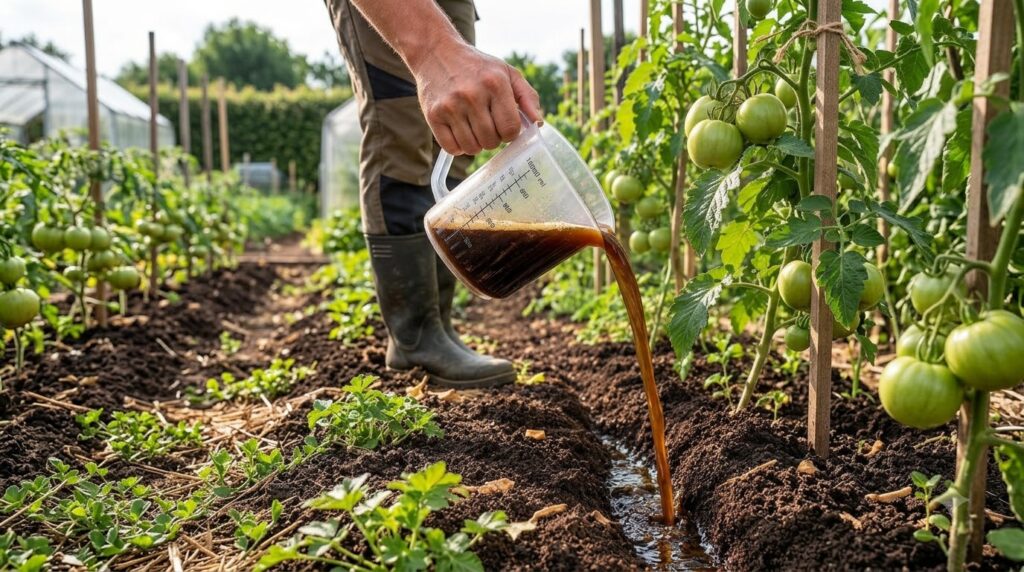
- Let it steep for 1-3 days, stirring occasionally. The water should turn a rich brown color, similar to weak iced tea.
- Once brewed, remove the compost bag. The remaining liquid is your compost tea!
For more advanced gardeners, aerated compost tea uses an air pump (like for a fish tank) to keep the water oxygenated, promoting the growth of a broader range of beneficial aerobic microbes. This method typically brews faster and produces a more potent tea, but the simple steeping method is perfectly effective for home gardeners.
How to Use Your Homemade Compost Tea
Compost tea is versatile and can be used in several ways:
- Foliar Spray: Dilute the tea (often 1:10 with water, or until it looks like weak tea) and spray it directly onto plant leaves. This provides nutrients and microbial protection directly to the plant’s surface.
- Soil Drench: Apply diluted compost tea directly to the soil around the base of your plants. This feeds the soil microbes and provides root access to nutrients.
- Seedling Starter: Give young seedlings a gentle boost by watering them with highly diluted compost tea.
It’s generally recommended to use compost tea within 24-48 hours of brewing, as the beneficial microbial life begins to decline. Always dilute it to prevent potential nutrient overload, especially for sensitive plants.
Embrace the Power of Nature
Making and using homemade compost tea is a rewarding step towards a more sustainable and vibrant vegetable garden. It’s a testament to the power of nature and how simple, organic practices can lead to truly bountiful harvests. So, gather your compost, get brewing, and watch your garden flourish with this incredible natural elixir. Happy gardening!