Have you ever looked at the root end of an onion after slicing it and wondered if it could become something more? Good news, fellow garden enthusiasts! You absolutely can give those humble scraps a second life and grow fresh, new onions right from your kitchen. This process is not only incredibly satisfying but also a fantastic way to practice sustainable living and enjoy homegrown produce.
Imagine stepping into your garden or even your windowsill and seeing vibrant green shoots emerging from what was once destined for the compost bin. It’s a simple, rewarding project perfect for gardeners of all experience levels.
Why Grow Onions from Scraps?
- Sustainable Living: Reduce food waste and embrace a more eco-friendly lifestyle by giving vegetable scraps a new purpose.
- Cost-Effective: Save money on groceries by cultivating your own produce without needing to buy new seeds or sets.
- Fresh & Flavorful: Enjoy the unparalleled taste of freshly harvested onions, knowing exactly where they came from.
- Educational Fun: It’s a wonderful project for families, teaching children about plant growth and where their food comes from.
What You’ll Need:
- The root end of an onion (about 1/2 to 1 inch thick)
- A shallow dish or glass
- Water
- Potting soil (if transplanting to a pot) or a garden bed
- Sunlight!
Step-by-Step Guide: Growing Onions from Scraps
Step 1: Prepare Your Onion Scraps
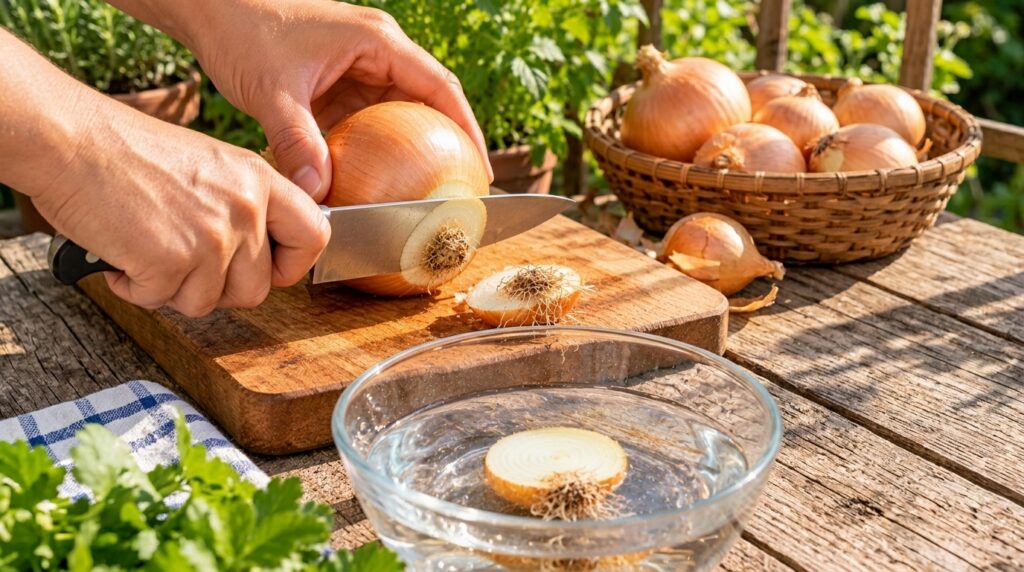
After using your onion, keep the root end intact. You want about 1/2 to 1 inch of the base, ensuring there are still some roots present. This is the part that will sprout new life.
Step 2: Start in Water
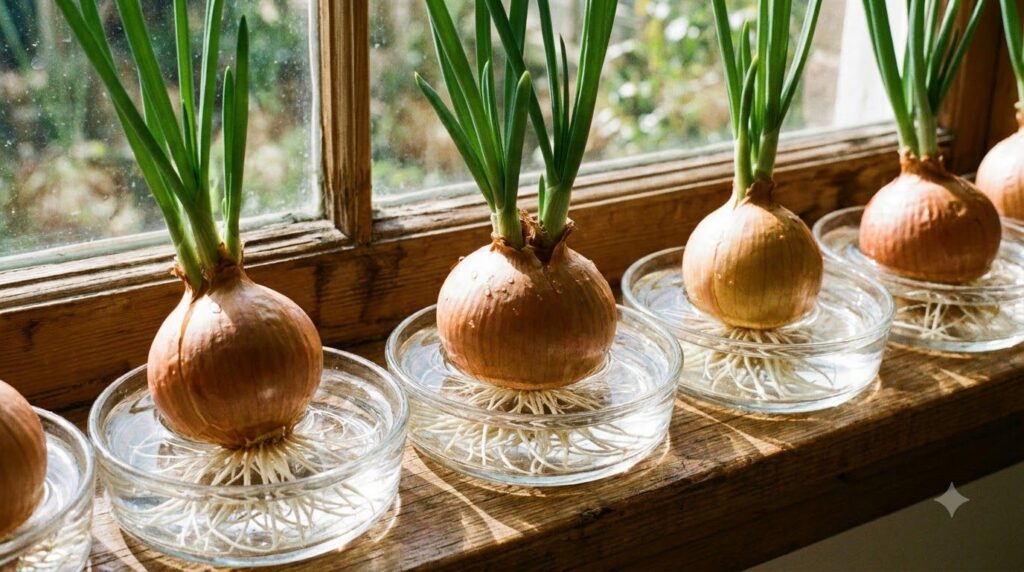
Place the onion scrap, root-side down, in a shallow dish or glass. Add just enough water to cover the bottom of the onion, making sure the top part isn’t submerged. Too much water can lead to rot. Place the dish in a sunny spot, like a windowsill. Change the water every day or two to keep it fresh and prevent mold.
Step 3: Watch for Roots and Shoots
Within a few days to a week, you should start seeing new roots emerging from the bottom and green shoots appearing from the top. It’s truly amazing to witness this transformation!
Step 4: Transplant to Soil
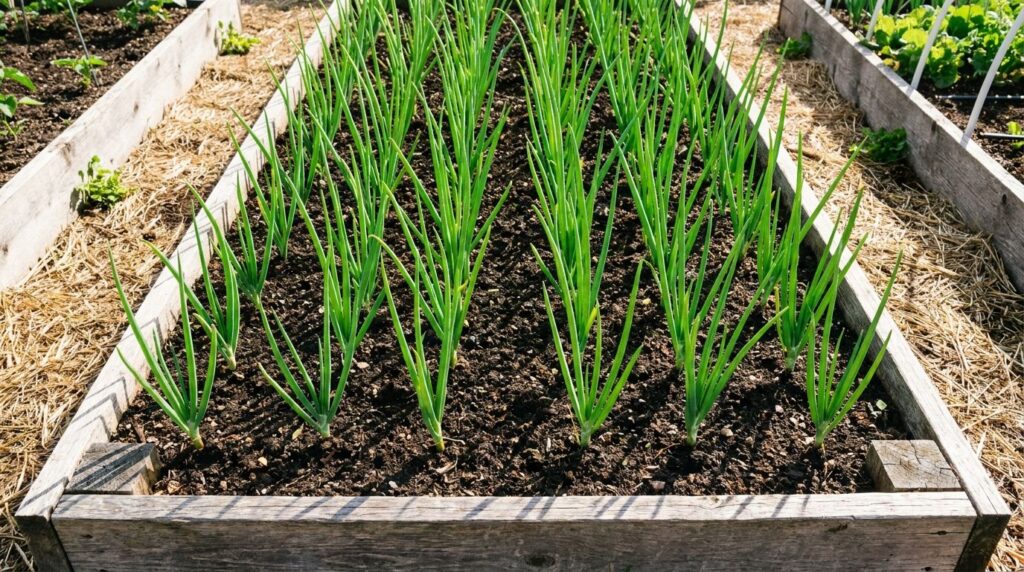
Once the green shoots are about 3-4 inches tall and you have a good network of roots, your onion scrap is ready for soil. You can plant it directly into your garden bed or a pot filled with well-draining potting soil. Dig a small hole, place the onion scrap in, and cover it with soil, leaving the green shoots exposed.
If planting in a pot, choose one that’s at least 6-8 inches deep to allow for root development. For garden beds, ensure the soil is rich in organic matter and has good drainage.
Step 5: Care for Your Growing Onions
- Sunlight: Onions love sun! Ensure they receive at least 6-8 hours of direct sunlight per day.
- Watering: Keep the soil consistently moist, but not waterlogged. Water deeply when the top inch of soil feels dry.
- Fertilizing: While not strictly necessary for green onions, a balanced, organic fertilizer can boost growth if your soil isn’t particularly rich.
- Harvesting: You can harvest the green onion tops as needed by snipping them off with scissors, leaving the base to regrow. For a full bulb, allow the plant to mature for several months. When the tops start to yellow and fall over, it’s typically time to harvest the bulbs. Gently loosen the soil around the bulb and pull it up.
Tips for Success
- Don’t Rush It: Be patient. Gardening is about nurturing, and growth takes time.
- Choose Healthy Scraps: Start with firm, healthy onion bottoms that show no signs of rot or mold.
- Succession Planting: To ensure a continuous supply, start new onion scraps every few weeks.
- Pest Control: Keep an eye out for common garden pests. Healthy plants are often more resistant.
Growing onions from scraps is a delightful journey that transforms kitchen waste into fresh food. It’s a simple act that connects you more deeply with nature and the food you eat, bringing a little bit of green joy into your daily life. Give it a try, and let us know about your sprouting success!