Fresh Citrus Moments: Turning Peels into Garden Treasure
There’s nothing quite like peeling a fresh, juicy tangerine on a sunny day. The vibrant aroma and burst of flavor are truly a ‘Fresh Citrus Moment’! But what happens to those peels once you’ve enjoyed the fruit? For many gardeners, they might end up in the trash. What if we told you those seemingly humble tangerine peels could become a powerful ally in enriching your garden soil and helping your plants thrive?

Why Compost Tangerine Peels?
Tangerine peels are packed with beneficial nutrients that your garden soil craves. They contain nitrogen, phosphorus, and potassium, as well as trace amounts of calcium and magnesium. When properly composted, these peels break down into rich organic matter, improving soil structure, water retention, and overall fertility. This means healthier plants, stronger roots, and more abundant blooms or harvests!
Addressing the “Citrus in Compost” Myth
You might have heard conflicting advice about adding citrus peels to your compost. Some gardeners worry about their acidity or their potential to attract pests. While it’s true that citrus peels are acidic, their impact on a well-balanced compost pile is minimal, especially when mixed with a good ratio of other ‘greens’ and ‘browns’. The composting process neutralizes much of the acidity. As for pests, large chunks of citrus might attract fruit flies, but chopping them up and burying them deeper in your pile helps prevent this.
How to Easily Compost Tangerine Peels
Ready to turn your citrus waste into garden gold? Here’s a simple guide:
Step 1: Gather Your Peels
After enjoying your tangerines, collect the peels. You can store them in a sealed container in your fridge or freezer for a few days if you don’t have enough to add to your compost pile immediately.
Step 2: Chop Them Up
This is a crucial step! Smaller pieces break down much faster. Tear or cut your tangerine peels into 1-2 inch pieces. This increases their surface area, allowing microorganisms to get to work more efficiently.
Step 3: Mix with Other Compost Materials
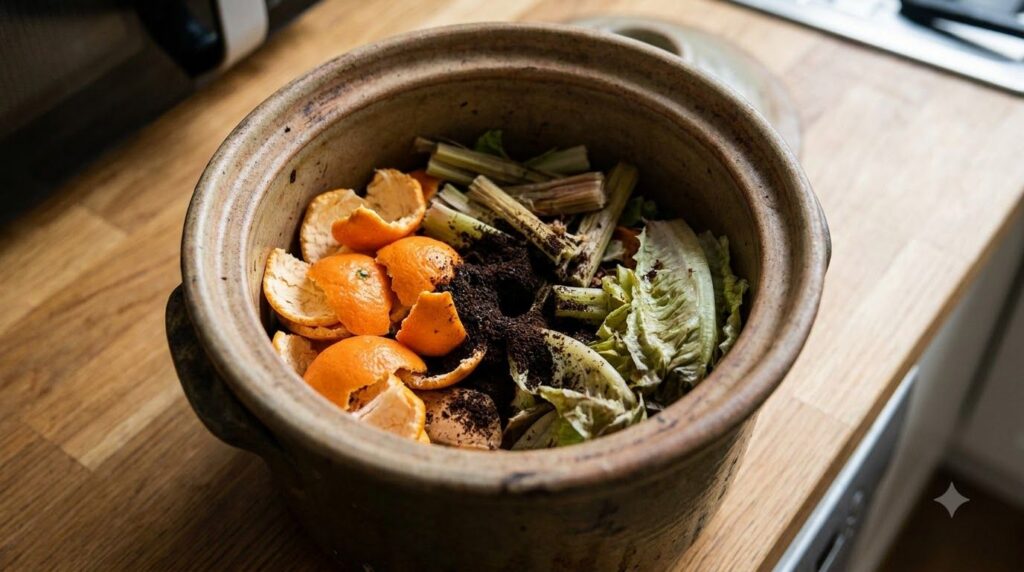
A healthy compost pile needs a good balance of ‘greens’ (nitrogen-rich materials like kitchen scraps, grass clippings) and ‘browns’ (carbon-rich materials like dry leaves, shredded paper, wood chips). Add your chopped tangerine peels (which count as greens) along with other kitchen waste. Ensure they are well mixed into the pile, rather than layered in thick clumps.
Step 4: Maintain Your Compost Pile
Regularly turn your compost pile to aerate it and help the decomposition process. Keep the pile consistently moist, like a wrung-out sponge. If you notice any fruit flies, simply cover the citrus peels with a layer of ‘brown’ materials or bury them deeper within the pile.
Tips for Success
- Moderation is Key: While beneficial, citrus peels shouldn’t be the sole component of your ‘green’ waste. Aim for a diverse mix of materials.
- Patience Pays Off: Citrus peels can take a little longer to break down than some other kitchen scraps, especially if not chopped finely. Be patient, and your compost will thank you.
- Boost with Coffee Grounds: Coffee grounds are another fantastic ‘green’ material that can help balance the compost pile and speed up decomposition.
Beyond Compost: Other Uses for Tangerine Peels
If you’re looking for even more ways to utilize those aromatic peels, consider these ideas:
- Natural Air Freshener: Simmer peels in a pot of water with cinnamon sticks and cloves for a wonderful aroma.
- Homemade Cleaner: Infuse peels in white vinegar for a week or two, then strain for an all-purpose citrus cleaner.
- Pest Repellent: Some gardeners use dried citrus peels scattered around plants to deter certain soft-bodied pests.
By giving your tangerine peels a second life, you’re not only reducing waste but also actively nurturing a healthier, more vibrant garden. It’s a simple, sustainable practice that brings a little extra joy and goodness to your growing space. So, the next time you enjoy a ‘Fresh Citrus Moment,’ remember the garden gold you hold in your hands!
Have you tried composting citrus peels? Share your tips and experiences in the comments below!