Are you looking for convenient ways to boost your protein intake without breaking the bank? Protein bars are a popular grab-and-go option, but their cost can add up quickly, making them less sustainable for everyday use. What if we told you that ‘cheaper doesn’t always mean lower protein’? It’s true!
Many common, everyday foods offer exceptional protein content, often at a fraction of the cost of a processed protein bar. Making smart choices at the grocery store can help you fuel your body effectively while keeping your budget happy. We’ve rounded up 20 incredibly versatile and affordable foods that provide excellent protein, along with a host of other nutrients.
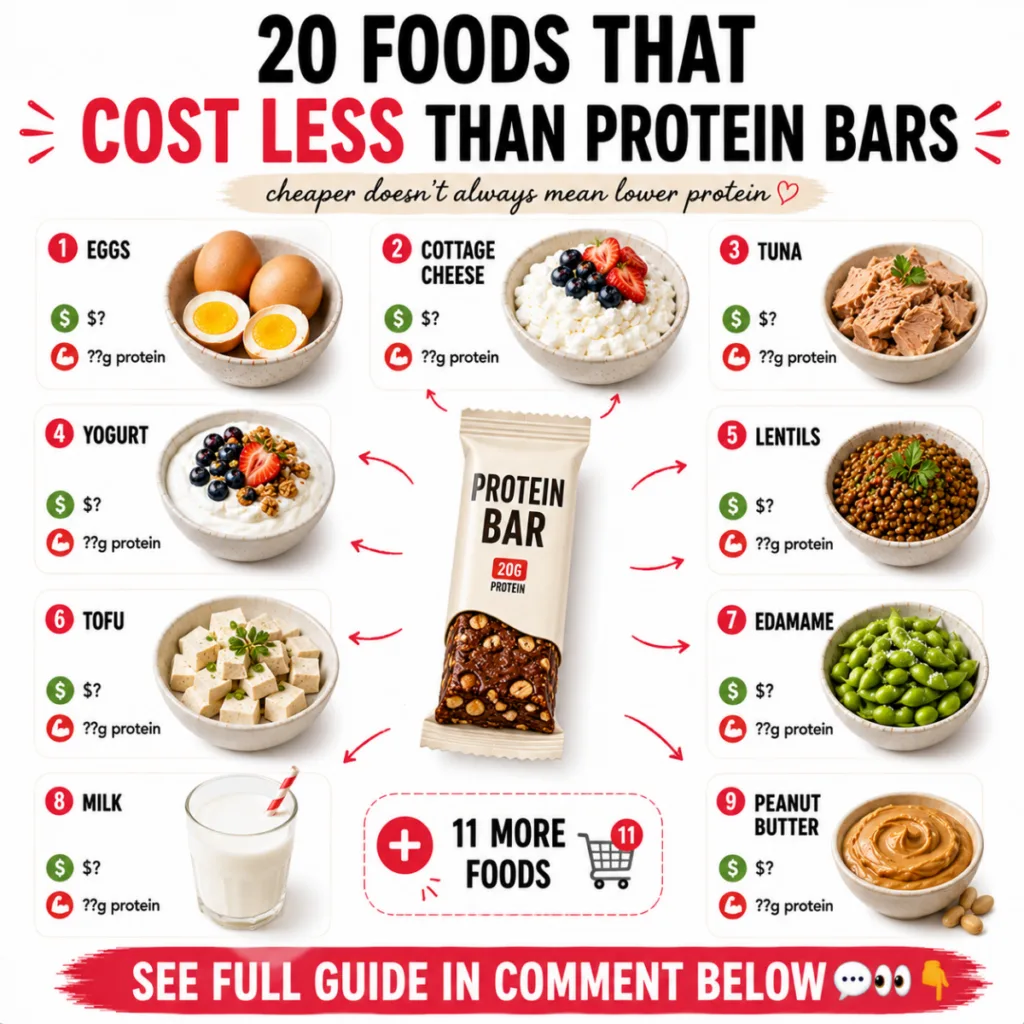 Discover how many everyday foods can offer more bang for your buck than expensive protein bars!
Unlocking Affordable Protein: 20 Smart Choices
Let’s dive into these budget-friendly protein powerhouses, offering practical tips on how to incorporate them into your daily meals.
Dairy Delights
Dairy products are fantastic sources of protein and calcium, often available at great prices.
1. Eggs
- Why they’re great: A complete protein, incredibly versatile, and often one of the cheapest protein sources per serving.
- Prep tips: Boil them for quick snacks, scramble them for breakfast, or add a fried egg to your avocado toast.
- Storage: Keep refrigerated for up to 3-5 weeks.
2. Greek Yogurt (Plain, Unsweetened)
- Why it’s great: Packed with protein and probiotics, it’s thicker and more satisfying than regular yogurt.
- Prep tips: Enjoy with berries and a drizzle of honey, mix into smoothies, or use as a sour cream substitute.
- Storage: Refrigerate and consume by the ‘best by’ date.
3. Cottage Cheese
- Why it’s great: High in casein protein (slow-digesting), making it excellent for satiety and muscle repair.
- Prep tips: Top with fruit, nuts, or a sprinkle of pepper and everything bagel seasoning for a savory snack.
- Storage: Refrigerate and consume by the ‘best by’ date.
4. Milk (Skim or Low-Fat)
- Why it’s great: An accessible and versatile source of protein, calcium, and vitamin D.
- Prep tips: Drink a glass, use in cereal, oatmeal, or smoothies.
- Storage: Refrigerate and consume by the ‘best by’ date.
Power-Packed Legumes
Legumes are plant-based superstars, offering fiber and protein without breaking the bank. Buy them dried for maximum savings!
5. Lentils
- Why they’re great: Very affordable, quick to cook (no soaking required for most varieties), and rich in protein and fiber.
- Prep tips: Make lentil soup, add to salads, use as a ground meat substitute in tacos or bolognese.
- Storage: Store dried lentils in an airtight container in a cool, dark place for up to a year. Cooked lentils last 3-4 days in the fridge.
6. Chickpeas (Garbanzo Beans)
- Why they’re great: Versatile, delicious, and a great source of plant-based protein and fiber.
- Prep tips: Roast them for a crunchy snack, blend into hummus, or add to curries and salads.
- Storage: Dried chickpeas store well. Canned chickpeas (rinsed) last 3-4 days in the fridge once opened.
7. Black Beans
- Why they’re great: Inexpensive, hearty, and packed with protein, fiber, and antioxidants.
- Prep tips: Perfect for burritos, chili, bean burgers, or a simple side dish.
- Storage: Similar to chickpeas – dried or canned (rinsed and refrigerated after opening).
8. Kidney Beans
- Why they’re great: Another economical legume that adds texture and protein to many dishes.
- Prep tips: A staple in chili, great in salads, or mashed for a savory spread.
- Storage: Same as other dried or canned beans.
9. Edamame (Shelled or In-Pod)
- Why it’s great: A complete plant-based protein, easy to prepare, and provides a satisfying snack.
- Prep tips: Steam or boil and sprinkle with salt. Add shelled edamame to stir-fries or salads.
- Storage: Store frozen edamame in the freezer for several months.
Plant-Based Stars
These options are fantastic for plant-forward diets or simply diversifying your protein sources.
10. Tofu
- Why it’s great: An incredibly versatile soy-based protein that takes on the flavors of whatever it’s cooked with.
- Prep tips: Press firm/extra-firm tofu, then bake, fry, or scramble. Ideal for stir-fries, curries, or even ‘tofu scrambles’.
- Storage: Keep refrigerated, submerged in water (change daily), for up to a week after opening.
11. Tempeh
- Why it’s great: Fermented soy product with a nutty flavor and firm texture, offering even more protein and probiotics than tofu.
- Prep tips: Slice or crumble and marinate before baking, pan-frying, or grilling. Excellent in sandwiches or as a meat alternative.
- Storage: Refrigerate and use by the ‘best by’ date.
12. Nutritional Yeast
- Why it’s great: A savory, cheesy-tasting seasoning that’s a good source of protein and B vitamins (often fortified with B12).
- Prep tips: Sprinkle on popcorn, pasta, salads, or use to thicken sauces for a cheesy flavor.
- Storage: Store in an airtight container in a cool, dark place.
Grains, Nuts & Seeds for Sustained Energy
These staples offer a great combination of protein, healthy fats, and complex carbohydrates.
13. Oats (Rolled or Steel-Cut)
- Why they’re great: Affordable whole grain, good source of fiber, and contains a decent amount of protein, especially when combined with milk or yogurt.
- Prep tips: Overnight oats, oatmeal for breakfast, or add to smoothies for extra bulk and nutrition.
- Storage: Store in an airtight container in a cool, dry place.
14. Peanut Butter (Natural, No Added Sugar)
- Why it’s great: A delicious and convenient protein source, also providing healthy fats. Look for brands with just peanuts and salt.
- Prep tips: Spread on toast, mix into oatmeal, use in smoothies, or dip apple slices.
- Storage: Store at room temperature or in the fridge if natural oils separate easily.
15. Quinoa
- Why it’s great: A gluten-free pseudo-grain that’s a complete protein, offering all nine essential amino acids.
- Prep tips: Use as a base for grain bowls, add to salads, or use as a side dish instead of rice.
- Storage: Store uncooked quinoa in an airtight container. Cooked quinoa lasts 3-4 days in the fridge.
16. Pumpkin Seeds (Pepitas)
- Why they’re great: Small but mighty, packed with protein, healthy fats, magnesium, and zinc.
- Prep tips: Sprinkle on salads, yogurt, oatmeal, or eat as a snack.
- Storage: Store in an airtight container in a cool, dark place. Refrigerate for longer shelf life.
17. Sunflower Seeds
- Why they’re great: Another inexpensive seed providing protein, vitamin E, and healthy fats.
- Prep tips: Similar to pumpkin seeds – great on salads, in trail mix, or as a snack.
- Storage: Store in an airtight container in a cool, dark place.
18. Brown Rice & Beans (Combined)
- Why they’re great: While neither is a complete protein on its own, together they form a powerhouse with all essential amino acids. Inexpensive and filling.
- Prep tips: Classic side dish, base for bowls, or filling for burritos.
- Storage: Cooked rice and beans last 3-4 days in the fridge.
Canned & Convenient Proteins
Don’t overlook the pantry heroes! Canned options are convenient, shelf-stable, and often very economical.
19. Canned Tuna (in water or oil)
- Why it’s great: High in lean protein, omega-3s (especially in oil), and incredibly convenient for quick meals.
- Prep tips: Make tuna salad, add to pasta, or flake over a green salad.
- Storage: Unopened cans last for years. Once opened, refrigerate and consume within 1-2 days.
20. Canned Salmon / Sardines
- Why they’re great: Excellent sources of protein and rich in omega-3 fatty acids and vitamin D. Sardines are also a great source of calcium.
- Prep tips: Mash salmon for patties or salads. Enjoy sardines on crackers or toast.
- Storage: Unopened cans last for years. Once opened, refrigerate and consume within 1-2 days.
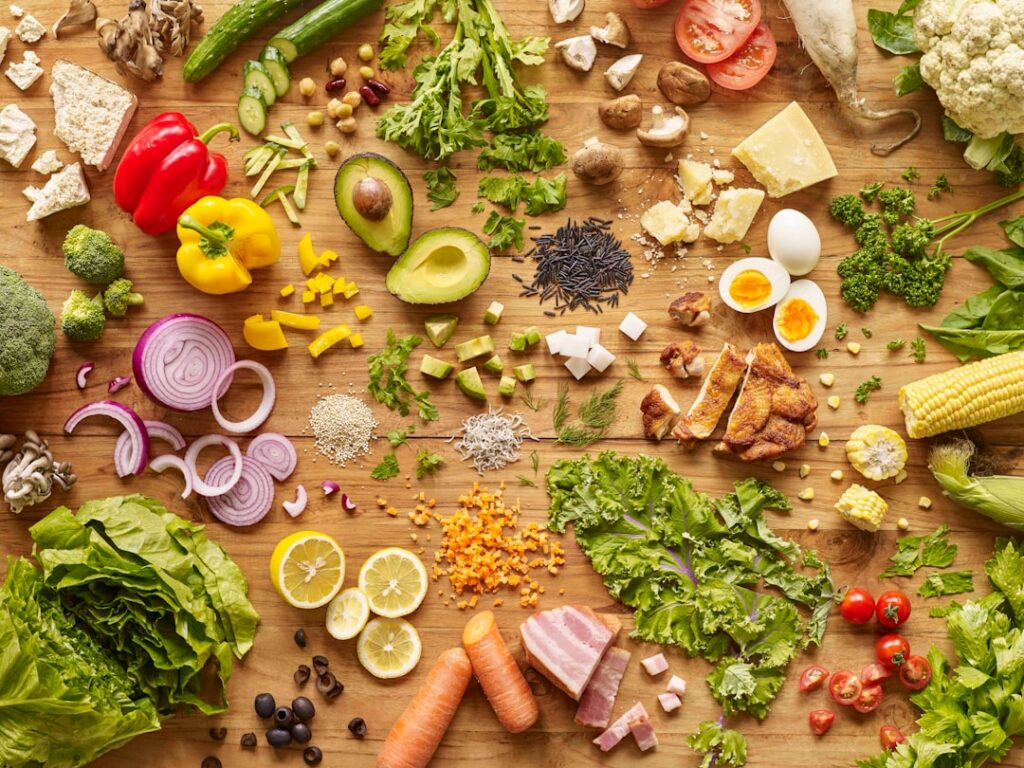 Filling your pantry with these smart choices can transform your healthy eating journey.
Why Choose These Over Protein Bars?
Opting for whole food protein sources brings several advantages beyond just cost savings:
- Cost Savings: As this guide highlights, you can get significantly more protein for your dollar.
- Whole Food Benefits: These foods come with a natural package of vitamins, minerals, and fiber that protein bars often lack.
- Versatility: You can incorporate these ingredients into countless recipes, making mealtime more exciting and varied.
- Fewer Additives: Many protein bars contain added sugars, artificial sweeteners, and stabilizers. Whole foods keep it clean and simple.
Smart Shopping & Meal Prep Tips for Budget-Friendly Protein
Making these affordable proteins a staple in your diet is easier with a few smart strategies:
- Buy in Bulk: For dried beans, lentils, oats, and seeds, buying larger quantities is often more economical.
- Embrace Canned & Frozen: Canned beans, fish, and frozen edamame are just as nutritious as fresh but last longer and are often cheaper.
- Plan Your Meals: Knowing what you’ll eat for the week helps you buy only what you need, reducing waste and impulse purchases.
- Cook from Scratch: Preparing meals at home with these ingredients is almost always cheaper and healthier than eating out or buying pre-made options.
Elevate Your Meals with These Protein Boosters
Here are some simple ideas to integrate these budget-friendly proteins into your daily routine:
- Breakfast Ideas: Start your day with a protein-packed punch! Think oatmeal with peanut butter and pumpkin seeds, scrambled eggs with a side of cottage cheese, or a Greek yogurt parfait with berries.
- Lunch & Dinner Ideas: Create hearty lentil soup, make a big batch of black bean burgers, add chickpeas to your salads, or whip up a quick tuna melt. Tofu or tempeh stir-fries are also excellent options.
- Snack Hacks: Hard-boiled eggs, a handful of edamame, a small bowl of cottage cheese, or apple slices with peanut butter make for satisfying and nutritious snacks.
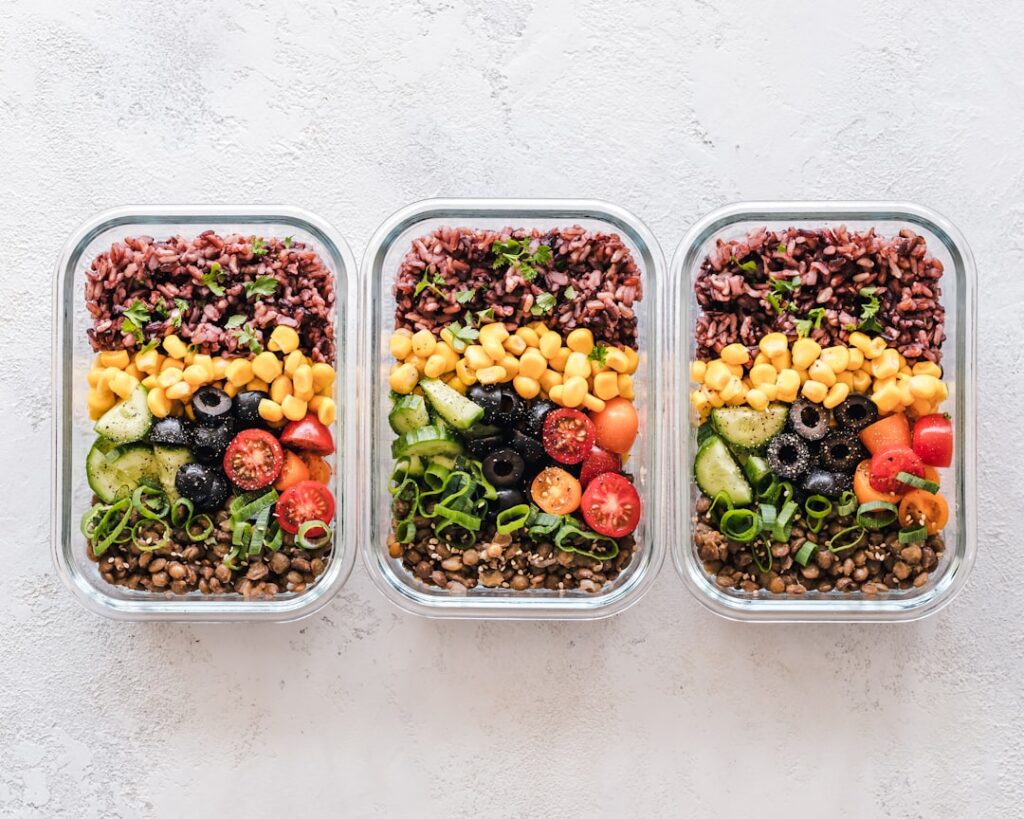 Meal prepping can save you time and money, making healthy eating a breeze.
FAQs About Affordable Protein
Q: Are plant-based proteins complete proteins?
A: Most plant-based proteins (like legumes and grains) are not ‘complete’ on their own, meaning they don’t contain all nine essential amino acids in sufficient quantities. However, by eating a variety of plant proteins throughout the day (e.g., rice and beans, peanut butter on whole-wheat bread), you can easily get all the amino acids your body needs. Tofu, tempeh, quinoa, and edamame are examples of complete plant proteins.
Q: How much protein do I really need?
A: Protein needs vary based on age, activity level, and health goals. A general guideline for adults is around 0.8 grams of protein per kilogram of body weight. Active individuals or those looking to build muscle may need more. It’s best to distribute your protein intake throughout the day.
The Balanced Bowl Takeaway: Fuel Your Body Smartly!
You don’t need expensive supplements or bars to get enough protein. By incorporating these 20 budget-friendly protein powerhouses into your diet, you can nourish your body with essential nutrients, enjoy delicious and varied meals, and keep your wallet happy. Start experimenting with these fantastic foods today and discover how easy it is to eat well on a budget!