Lavender is one of the most recognizable herbs in the world, known for its beautiful purple flowers and distinctive aroma. Native to the Mediterranean region, lavender has been cultivated for centuries for ornamental gardens, aromatic products, culinary uses, and traditional wellness practices.
Today, lavender remains popular in home gardens, herbal preparations, and natural household products thanks to its pleasant fragrance and versatility.
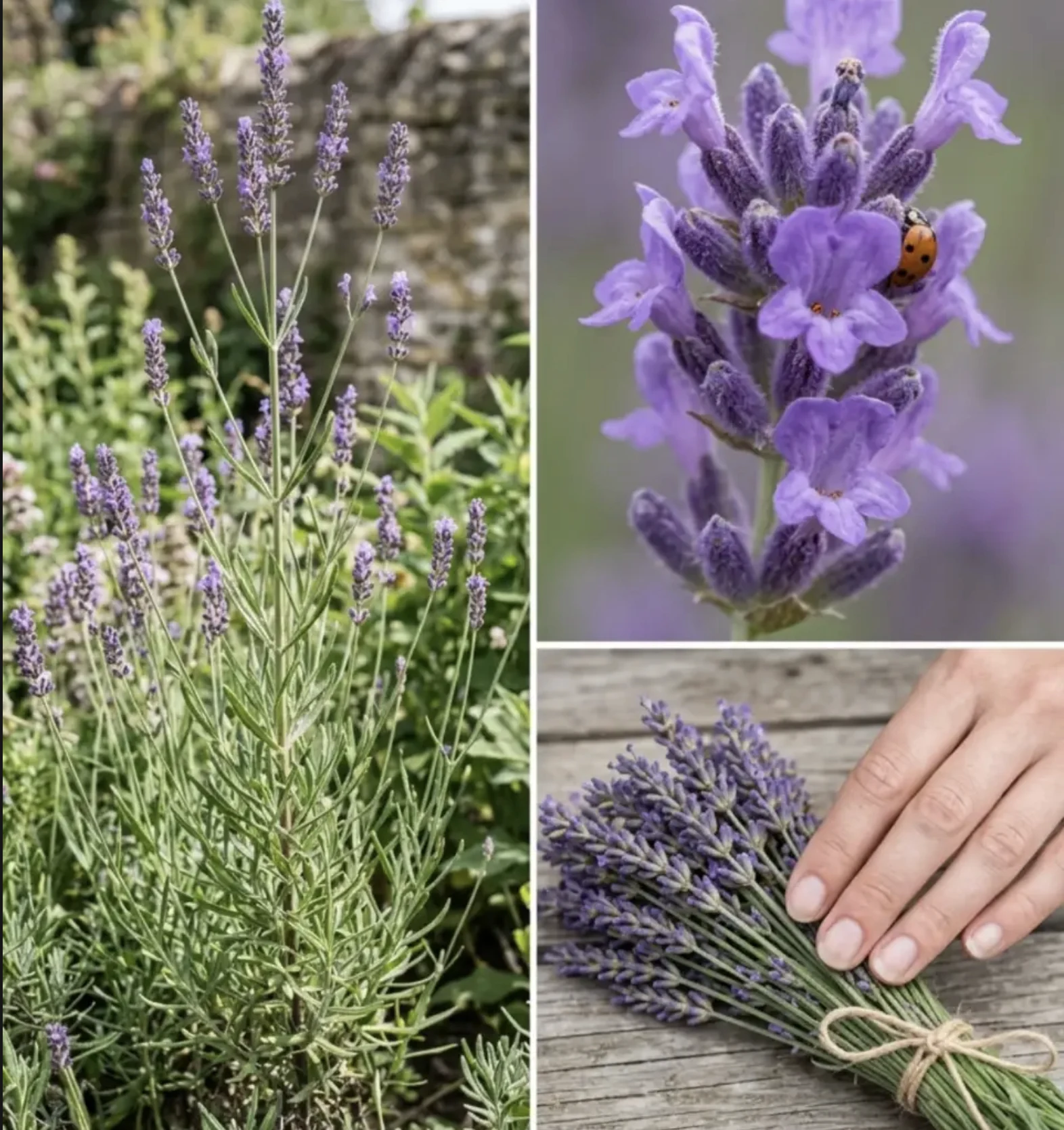
What Is Lavender?
Lavender belongs to the mint family (Lamiaceae) and includes several species, with English lavender (Lavandula angustifolia) being among the most widely grown.
The plant is characterized by:
- Narrow silver-green leaves
- Tall flower spikes
- Purple, violet, or blue blossoms
- A strong floral scent
Lavender thrives in sunny locations with well-drained soil and can grow successfully in gardens, containers, and landscaping projects.
Traditional Uses of Lavender
Throughout history, lavender has been used in many different ways.
Common traditional applications include:
- Dried flower sachets
- Herbal teas
- Potpourri blends
- Bath products
- Aromatic oils
- Decorative floral arrangements
Its fragrance has made it a favorite ingredient in soaps, candles, perfumes, and household products for generations.
Growing Lavender at Home
Lavender is relatively easy to grow when provided with the right conditions.
Sunlight
Lavender prefers:
- Full sun
- At least 6–8 hours of direct sunlight daily
Soil
Best results occur in:
- Well-draining soil
- Slightly sandy conditions
- Areas that do not retain excessive moisture
Watering
Lavender is drought tolerant once established.
Overwatering is one of the most common causes of poor plant performance.
Pruning
Regular pruning can help:
- Encourage bushier growth
- Improve air circulation
- Promote flowering
- Maintain an attractive shape
Harvesting Lavender
Lavender flowers are typically harvested when buds begin opening but before they fully bloom.
To harvest:
- Use clean garden shears.
- Cut stems several inches below the flower spikes.
- Gather into small bundles.
- Hang upside down in a dry, well-ventilated area.
Properly dried lavender can maintain its fragrance for months.
Ways to Use Dried Lavender
Once dried, lavender can be used in numerous projects.
Homemade Sachets
Fill small fabric bags with dried lavender flowers and place them in:
- Drawers
- Closets
- Storage boxes
Lavender Tea
Some people enjoy lavender tea made by steeping culinary-grade lavender buds in hot water.
Bath Soaks
Dried lavender can be added to:
- Bath salts
- Herbal bath blends
- Homemade spa treatments
Decorative Displays
Lavender bundles make attractive additions to:
- Wreaths
- Table centerpieces
- Rustic home décor
Lavender in Aromatic Products
Lavender is frequently used in:
- Candles
- Essential oil blends
- Room sprays
- Linen sprays
- Handmade soaps
Its distinctive scent is often associated with freshness and relaxation.
Frequently Asked Questions
Is Lavender Easy to Grow?
Yes. Lavender is considered relatively low maintenance when grown in sunny, well-drained locations.
Can Lavender Be Grown in Containers?
Absolutely. Containers with good drainage are often an excellent choice.
How Long Does Dried Lavender Last?
When stored in an airtight container away from moisture and direct sunlight, dried lavender can maintain its fragrance for many months.
When Is the Best Time to Harvest?
Most gardeners harvest lavender shortly before the flowers fully open.
Important Note
While lavender has a long history of traditional use, herbal products and essential oils are not intended to diagnose, treat, cure, or prevent medical conditions. Individuals with health concerns, allergies, or those who are pregnant should consult a qualified healthcare professional before using herbal products regularly.
Final Thoughts
Lavender is a beautiful and versatile herb valued for its fragrance, ornamental appeal, and traditional uses. Whether grown in the garden, dried for crafts, or incorporated into homemade products, lavender continues to be one of the most popular herbs worldwide. Its easy cultivation, attractive flowers, and distinctive aroma make it a favorite among gardeners and herbal enthusiasts alike.