Imagine a time before refrigerators, when every harvest was a race against spoilage. Our ancestors mastered the art of preserving food, ensuring their families had nourishment through lean months. Today, with a growing interest in sustainable living and homegrown produce, these ancient food preservation hacks are making a glorious comeback! If you’re a passionate gardener like us at Garden – L. Quyên, you know the joy of a bountiful harvest, but also the challenge of making it last. Fear not! You don’t always need a fridge to enjoy your garden’s bounty all year long.
Let’s dive into seven ingenious ways to preserve your garden vegetables and fruits without relying on modern refrigeration. These methods are not only practical but also connect us to a rich history of self-sufficiency and delicious flavors.
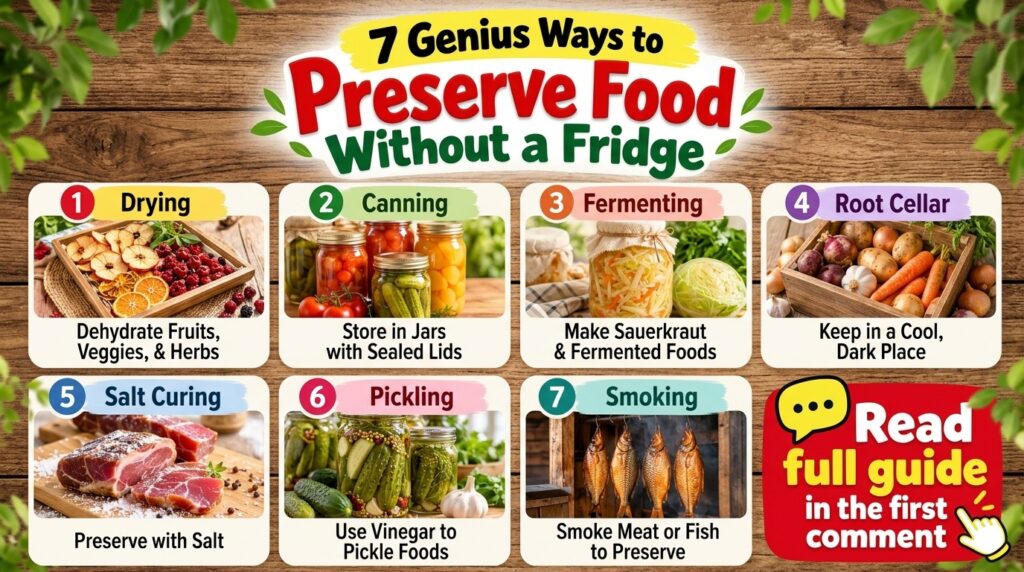
1. Drying and Dehydration
Drying is one of the oldest methods of food preservation, reducing water content to inhibit microbial growth. It’s incredibly versatile and works wonders for fruits, vegetables, and herbs. Think sun-dried tomatoes, apple chips, or fragrant dried herbs ready for your winter soups.
- How it works: Heat and air circulation remove moisture. You can use a food dehydrator for controlled results, an oven on its lowest setting, or simply harness the power of the sun in a well-ventilated, dry area.
- Best for: Herbs (oregano, thyme), fruits (apples, berries, apricots), and vegetables (carrots, green beans, kale).
2. Canning
Canning involves sealing food in airtight jars and then heating them to a temperature that destroys spoilage organisms and creates a vacuum seal. This method makes food shelf-stable for long periods.
- How it works: For high-acid foods (like most fruits, pickles, and tomatoes with added acid), a water bath canner is sufficient. For low-acid foods (most vegetables, meats), a pressure canner is essential to reach higher temperatures needed for safe preservation. Always follow tested recipes and safety guidelines!
- Best for: Tomatoes, pickles, fruit jams, green beans, corn.
3. Fermentation (Sauerkraut, Kimchi & More!)
Fermentation is a magical process where beneficial bacteria transform vegetables, creating unique flavors and preserving them through the production of lactic acid. It also boosts their nutritional value and probiotics!
- How it works: Vegetables are typically submerged in a brine (saltwater solution) or mixed with salt, then left at room temperature to ferment for several days or weeks. The lactic acid produced acts as a natural preservative.
- Best for: Cabbage (sauerkraut, kimchi), cucumbers, carrots, beets.
4. Root Cellaring & Cool Storage
Before refrigeration, root cellars were vital for keeping hardy vegetables fresh through winter. A cool, dark, and humid environment mimics the conditions underground, preventing spoilage and sprouting.
- How it works: Find a cool, dark, and moderately humid spot – a basement, garage, or even a buried container can work. Proper ventilation is key. Store vegetables in sand, sawdust, or simply on shelves, ensuring good air circulation.
- Best for: Root vegetables (carrots, potatoes, beets, parsnips), onions, garlic, winter squash.
5. Salt Curing
Salt is a powerful desiccant, meaning it draws out moisture, making it an excellent natural preservative. It’s traditionally used for meats and fish, but also for some vegetables.
- How it works: Food is packed in a generous amount of salt, which dehydrates it and inhibits bacterial growth. For meats, this often involves dry salting or brining.
- Best for: Meats (like bacon or corned beef), fish, olives.
6. Pickling
Pickling uses an acidic solution, typically vinegar, to preserve food. The acidity prevents the growth of most spoilage bacteria, giving us those wonderfully tangy pickles we love.
- How it works: Vegetables are submerged in a heated mixture of vinegar, water, salt, sugar, and various spices. Once packed into jars and sealed, they are ready after a few weeks.
- Best for: Cucumbers, green beans, peppers, onions, asparagus.
7. Smoking
Smoking is a dual-action preservation method that both dries the food and infuses it with antimicrobial compounds from the smoke. It also imparts a delicious, distinct flavor.
- How it works: Food is exposed to smoke from burning wood over an extended period. Cold smoking preserves while adding flavor without cooking, whereas hot smoking cooks and preserves.
- Best for: Fish (salmon, trout), various cuts of meat.
Embracing these ancient preservation techniques not only helps you reduce food waste and enjoy your garden’s bounty year-round, but it also fosters a deeper connection to your food and a more sustainable lifestyle. Which method will you try first?