There’s nothing quite as satisfying as harvesting fresh, healthy vegetables from your own garden. And when it comes to nutrient powerhouses, root vegetables are often overlooked but truly shine! From the crunchy carrot to the earthy potato, these underground treasures are not only delicious but also packed with essential vitamins and minerals. Imagine adding your homegrown ginger to a stir-fry or enjoying a crisp radish straight from the soil!
Growing root vegetables at home is a rewarding experience that connects you to your food source and allows you to enjoy the freshest produce possible. Whether you’re a seasoned gardener or just starting out, this guide will help you cultivate a thriving root vegetable patch.
Why Grow Your Own Root Vegetables?
Beyond the joy of gardening, cultivating root vegetables offers a multitude of benefits:
- Nutrient Density: Root vegetables are renowned for being rich in fiber, vitamins (like A, C, and K), and minerals (such as potassium and manganese), contributing to a healthy diet.
- Freshness and Flavor: Store-bought produce often travels long distances, diminishing its flavor and nutritional value. Homegrown roots are harvested at their peak, offering unparalleled taste.
- Cost-Effective: Once you’ve invested in seeds and basic supplies, growing your own can significantly reduce your grocery bill.
- Pest Resistance: Being underground, many root vegetables are naturally protected from certain pests that plague above-ground crops.
- Year-Round Harvests: Many varieties can be stored for extended periods, allowing you to enjoy your harvest long after the growing season.
Essential Steps to Grow Nutrient-Rich Root Vegetables
Successful root vegetable gardening starts with understanding their unique needs. Follow these easy steps for a bountiful harvest:
1. Choose the Right Location
Most root vegetables thrive in full sun, meaning at least 6-8 hours of direct sunlight per day. Ensure your chosen spot has good drainage to prevent waterlogging, which can cause roots to rot.
2. Prepare Your Soil Properly
This is the most critical step for root crops! They need loose, well-draining soil that allows their roots to expand easily. Compact or rocky soil will lead to stunted or misshapen vegetables.
- Amend with Organic Matter: Work in plenty of compost, well-rotted manure, or other organic materials to a depth of at least 12-18 inches. This improves soil structure, drainage, and nutrient content.
- Avoid Fresh Manure: While organic matter is good, fresh manure can be too rich in nitrogen, encouraging leafy growth at the expense of root development, and can also burn young roots.
- pH Balance: Most root vegetables prefer a slightly acidic to neutral soil pH (6.0-7.0). A soil test can help you determine if amendments are needed.
3. Proper Planting Techniques
Root vegetables are generally best grown directly from seed rather than transplanted, as disturbing their taproots can hinder growth.
- Read Seed Packets: Always follow the specific planting depth and spacing recommendations on your seed packets. Proper spacing ensures adequate room for root development and air circulation.
- Thinning: Once seedlings emerge, thin them to the recommended spacing. This can feel wasteful, but it’s crucial for allowing the remaining plants to grow to their full potential.
4. Consistent Watering
Regular and consistent moisture is key. Erratic watering can cause root vegetables to split, become tough, or develop an off-flavor.
- Deep Watering: Water deeply and thoroughly, especially during dry spells, to encourage roots to grow downwards.
- Avoid Overwatering: Too much water can lead to rot and fungal diseases. Ensure good drainage.
5. Fertilizing (Use Sparingly)
With well-prepared, compost-rich soil, you might not need much fertilizer. If you do, choose a balanced, organic fertilizer with a slightly higher phosphorus and potassium content to encourage root growth, rather than too much nitrogen.
6. Weed Control
Weeds compete with your root vegetables for water and nutrients. Keep your garden beds free of weeds, especially when plants are young. Mulching can help suppress weeds and retain soil moisture.
7. Pest and Disease Management
While often less susceptible than leafy greens, root vegetables can still face challenges. Keep an eye out for common pests like root maggots or wireworms. Companion planting with deterrent herbs or practicing crop rotation can help. Healthy soil and proper plant spacing are your best defense against diseases.
Popular Root Vegetables to Try
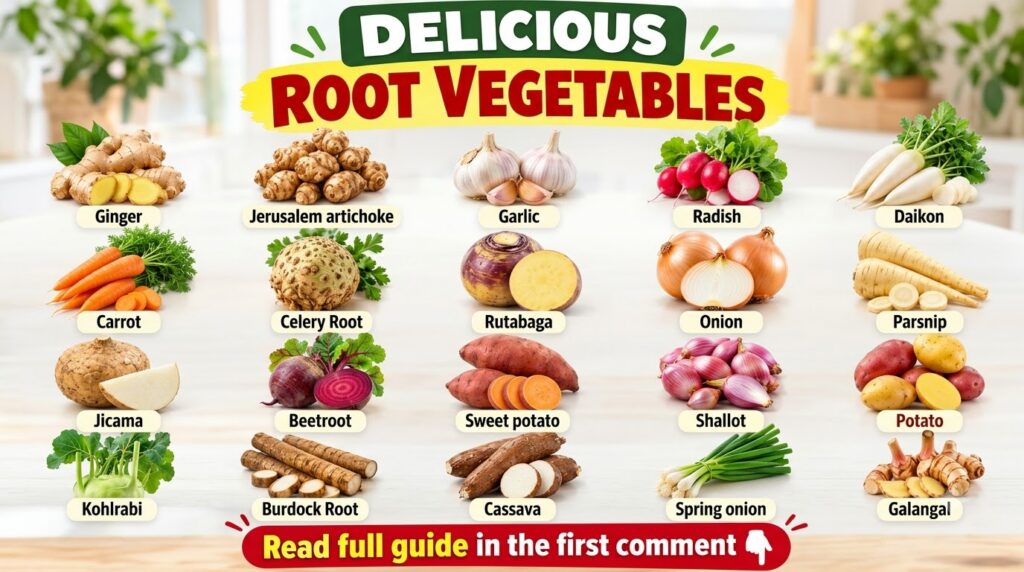
- Carrots: A garden classic! Choose different varieties for various shapes and colors. They love loose, sandy soil.
- Radishes: Fast-growing and perfect for beginners. Many varieties mature in as little as 3-4 weeks.
- Potatoes: A versatile staple. Grow them in the ground, raised beds, or even large containers.
- Beets: You get two crops in one: delicious roots and edible, nutritious greens!
- Ginger: A tropical root that can be grown in warmer climates or containers indoors, providing a fresh, spicy flavor.
- Jicama: A crunchy, sweet root that thrives in long, warm growing seasons.
Harvesting Your Homegrown Treasures
The best time to harvest varies by vegetable. Generally, check the seed packet for maturity dates. For most roots, you can gently loosen the soil around the base to check their size before fully pulling them. Don’t wait too long, as some roots can become woody or lose flavor if left in the ground past their prime.
Growing your own nutrient-rich root vegetables is a truly rewarding endeavor that brings fresh flavors and healthy ingredients straight to your kitchen. So roll up your sleeves, prepare your soil, and get ready to unearth some goodness!