Timing Your Treats: Optimizing Your Daily Nutrition
Have you ever wondered if there’s a “best” time to enjoy your favorite foods? While healthy eating is always in season, understanding the optimal timing for certain foods can unlock even more benefits for your body and mind! Just like we learn the best planting times for our gardens, knowing when to nourish ourselves can help us feel our best.
At Garden – L. Quyên, we believe in a holistic approach to well-being, and that includes what we eat. Let’s dig into the world of food timing and discover how you can optimize your daily nutrition with some simple, practical tips!
Why Food Timing Matters
It’s not just what you eat, but also when you eat it, that can influence your digestion, energy levels, metabolism, and even sleep quality. Our bodies operate on a natural circadian rhythm, and aligning our meals with this rhythm can help us process nutrients more efficiently and avoid common issues like indigestion or energy slumps.
Your Guide to Optimal Food Timing
Let’s explore some common foods and the suggested times to enjoy them:
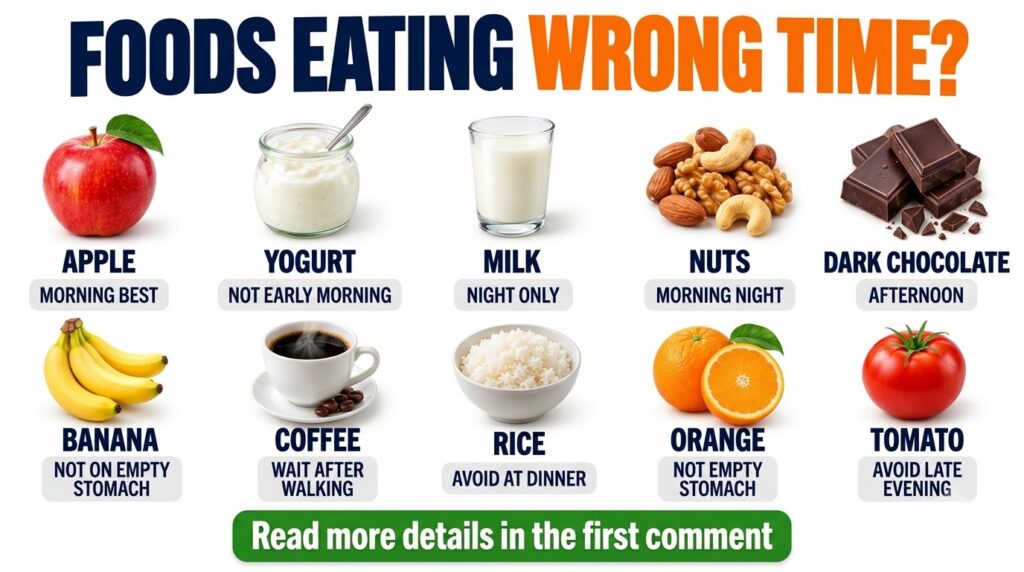
Apples
- Best Time: Morning to mid-afternoon.
- Why: Apples are rich in fiber and contain malic acid, which aids digestion. Eating them earlier in the day can kickstart your metabolism and provide a sustained energy release without interfering with sleep. The pectin fiber is also great for gut health!
Bananas
- Best Time: Morning, pre-workout, or mid-morning snack.
- Why: A fantastic source of potassium and quick energy, bananas are ideal for fueling your day or your exercise routine. While great anytime, their natural sugars can be utilized effectively when your body needs an energy boost.
Yogurt
- Best Time: Breakfast or a healthy snack.
- Why: Packed with probiotics, yogurt supports gut health. Enjoying it in the morning or as a mid-day snack allows the beneficial bacteria to get to work supporting digestion throughout the day.
Coffee
- Best Time: Mid-morning (around 9:30 AM to 11:30 AM) or after lunch.
- Why: Our cortisol levels are naturally high in the early morning. Waiting a bit allows you to get the most out of coffee’s stimulating effects when your natural energy might start to dip, rather than overriding your body’s natural wake-up call.
Milk
- Best Time: Evening (warm milk before bed) or as part of a balanced meal.
- Why: Warm milk can promote relaxation and sleep due to its tryptophan content. As a source of calcium, it’s beneficial anytime, but many find it comforting and sleep-inducing in the evening.
Rice
- Best Time: Lunch or early dinner.
- Why: Rice is a carbohydrate-rich food that provides sustained energy. Eating it earlier in the day gives your body ample time to burn off the energy. For dinner, consume in moderation and allow a few hours before bedtime for digestion.
Nuts
- Best Time: Mid-morning or mid-afternoon snack.
- Why: Nuts are a powerhouse of healthy fats, protein, and fiber. They’re excellent for staving off hunger between meals and providing sustained energy. A small handful can keep you feeling full and focused.
Oranges
- Best Time: Morning or early afternoon.
- Why: High in Vitamin C and natural sugars, oranges offer an invigorating boost. Enjoying them earlier in the day allows you to harness their energy and immune-boosting properties when you’re most active.
Dark Chocolate
- Best Time: Mid-afternoon or after dinner in small amounts.
- Why: Dark chocolate, especially varieties with high cocoa content, contains antioxidants and can improve mood. A small piece in the afternoon can be a delightful pick-me-up, or a guilt-free treat after dinner without overdoing it.
Tomatoes
- Best Time: Anytime!
- Why: Tomatoes are versatile and nutrient-dense, rich in antioxidants like lycopene. They can be enjoyed at any meal – in salads, sauces, or as a fresh snack – contributing to your daily nutrient intake whenever you choose!
General Tips for Healthy Eating
- Listen to Your Body: These are general guidelines. Pay attention to how different foods at different times make you feel.
- Stay Hydrated: Drink plenty of water throughout the day, regardless of meal timing.
- Balance is Key: Focus on a balanced diet with a variety of fruits, vegetables, whole grains, and lean proteins.
- Consistency: Try to eat your meals at similar times each day to help regulate your body’s internal clock.
Nourish Your Garden, Nourish Yourself!
Just as we nurture our plants with the right conditions and timely care, understanding our own bodies and the best times to fuel them can lead to a more vibrant and energetic life. Experiment with these tips and see how optimizing your food timing can make a positive difference in your well-being!
What are your favorite healthy foods, and when do you love to enjoy them? Share your insights with our Garden – L. Quyên community in the comments below!