When you hear “mozzarella,” you might instantly picture that classic white, bouncy cheese on your pizza or Caprese salad. But did you know that the world of Italian mozzarella and fresh cheeses is incredibly vast and varied? Beyond the familiar, there’s a spectrum of creamy, delicate, and flavorful options waiting to be discovered.
This guide will take you on a culinary journey through some of Italy’s most beloved fresh cheeses, highlighting their unique characteristics, flavors, and how best to enjoy them. Whether you’re a seasoned cheese connoisseur or just beginning to explore, you’ll gain valuable insights into choosing the perfect fresh Italian cheese for any dish.
Get ready to broaden your cheese horizons and bring a touch of authentic Italian flavor to your kitchen!
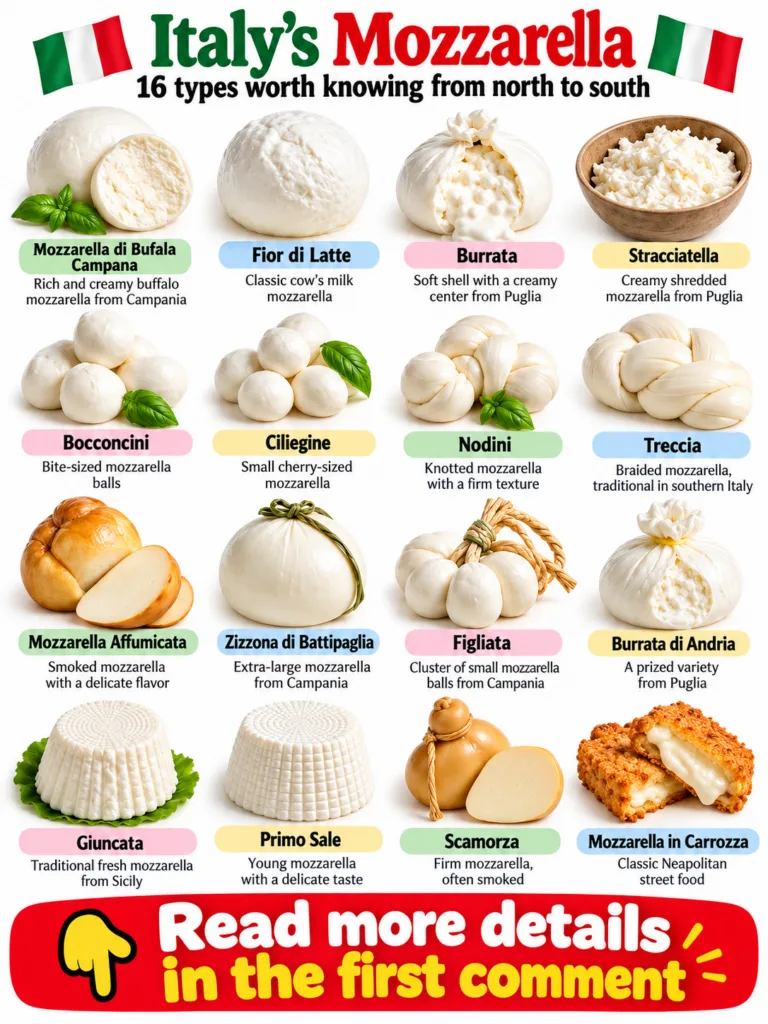
The Delicious World of Italian Fresh Cheeses
Italian fresh cheeses are celebrated for their delicate textures and mild, milky flavors. They are typically unaged or very lightly aged, meant to be enjoyed soon after they are made. This freshness is what gives them their unique appeal and versatility in countless recipes.
Mozzarella Chart: A Closer Look at Popular Types
Let’s explore some of the most popular and distinct fresh Italian cheeses, including various forms of mozzarella and other delightful options.
| Cheese Name | Origin/Type | Description | Flavor Notes | Best Uses |
|---|---|---|---|---|
| Mozzarella di Bufala Campana | Campania, Italy (Buffalo milk) | Prized for its rich, creamy texture and distinct tang. Made from water buffalo milk. | Rich, milky, slightly tangy, sweet | Caprese salad, pizza, fresh with olive oil, pasta dishes |
| Fior di Latte (Cow’s Milk Mozzarella) | Throughout Italy (Cow’s milk) | Softer, milder, and less tangy than bufala mozzarella. Made from cow’s milk. | Mild, milky, delicate, clean | Pizza, sandwiches, baked dishes, salads |
| Burrata | Puglia, Italy (Cow or buffalo milk) | An outer shell of solid mozzarella with a creamy, stringy interior (stracciatella) mixed with cream. | Rich, buttery, intensely creamy, sweet | Served simply with crusty bread, tomatoes, prosciutto, pasta |
| Smoked Mozzarella (Scamorza Affumicata) | Southern Italy (Cow’s milk) | Often pear-shaped, this mozzarella is briefly aged and then smoked, giving it a golden rind. | Nutty, smoky, savory, firm texture | Grilled, melted in sandwiches, pasta bakes, frittatas |
| Bocconcini | Throughout Italy (Cow’s milk) | Small, bite-sized balls of mozzarella (fior di latte), literally meaning “small mouthfuls.” | Mild, fresh, milky | Salads, skewers, appetizers, snacks |
| Ovoline | Throughout Italy (Cow’s milk) | Medium-sized balls of mozzarella, larger than bocconcini but smaller than regular fresh mozzarella. | Mild, fresh, milky | Caprese, individual servings, light cooking |
| Ciliegine | Throughout Italy (Cow’s milk) | Tiny, cherry-sized balls of mozzarella. | Delicate, milky | Salads, pasta salads, antipasto platters |
| Ricotta | Throughout Italy (Whey from cow, sheep, or goat milk) | A soft, fresh, creamy white cheese made from the whey left over from other cheese production. | Light, slightly sweet, granular yet smooth | Lasagna, cannoli, spread on toast, dips, cheesecakes |
Nutrition Comparison: What’s in Your Fresh Cheese?
While specific values vary by type and brand, most fresh Italian cheeses offer a good source of protein and calcium. Mozzarella, in particular, is known for its relatively lower fat content compared to some aged cheeses, especially when made from cow’s milk. Mozzarella di Bufala tends to be richer in fat and calories due to the higher fat content of buffalo milk, but it also boasts a more intense flavor and creamier texture.
- Protein: Essential for muscle repair and satiety.
- Calcium: Crucial for strong bones and teeth.
- Vitamins and Minerals: Often contains small amounts of phosphorus, zinc, and vitamins A and B12.
Best Ways to Enjoy Italian Fresh Cheeses
The beauty of fresh Italian cheeses lies in their versatility. Here are some ideas:
- Caprese Salad: The classic combination of fresh mozzarella (especially bufala or fior di latte), ripe tomatoes, basil, and a drizzle of extra virgin olive oil.
- Pizza Topping: Shredded fior di latte or torn pieces of mozzarella melt beautifully on pizza.
- Sandwiches and Panini: Layer slices of fresh mozzarella with cured meats, roasted vegetables, and pesto.
- Pasta Dishes: Stir ricotta into pasta sauces for creaminess or add fresh mozzarella to baked ziti or lasagna.
- Appetizers: Serve bocconcini or ciliegine with cherry tomatoes, olives, and marinated artichoke hearts.
- Desserts: Ricotta is a star in desserts like cannoli and cheesecakes, or simply served with honey and fruit.
Who Should Eat More Fresh Italian Cheeses?
These cheeses can be a delightful addition to many diets:
- Those Seeking Calcium: An excellent way to boost your daily calcium intake.
- Individuals Looking for Protein: A good source of protein for vegetarians or those wanting to increase their protein consumption.
- Families: Kids often love the mild flavor and fun textures of bocconcini and ciliegine.
- Home Cooks: Perfect for adding authentic Italian flavor to everyday meals and special occasions.
Tips for Enjoying Italian Fresh Cheeses
To get the most out of your fresh Italian cheeses, keep these tips in mind:
- Serve at Room Temperature: This allows the full flavor and creamy texture to shine. Take it out of the fridge about 30 minutes before serving.
- Store in Brine: If purchased in liquid, keep mozzarella submerged in its brine to maintain freshness and moisture.
- Use Fresh: Fresh cheeses are meant to be enjoyed promptly. They don’t have a long shelf life like aged cheeses.
- Pair Simply: Often, the best accompaniments are simple: good olive oil, fresh herbs, ripe vegetables, or crusty bread.
- Explore Beyond Mozzarella: Don’t forget other fresh options like ricotta for cooking and baking.
FAQs About Italian Fresh Cheeses
Q: What’s the main difference between Mozzarella di Bufala and Fior di Latte?
A: Mozzarella di Bufala is made from water buffalo milk, giving it a richer, creamier texture and a slightly tangier flavor. Fior di Latte is made from cow’s milk, resulting in a milder flavor and slightly firmer texture.
Q: Can fresh mozzarella be frozen?
A: While you can technically freeze fresh mozzarella, its texture will change significantly upon thawing, becoming more crumbly. It’s best used in cooked dishes after freezing, not for fresh consumption.
Q: How do I know if my mozzarella is truly fresh?
A: Fresh mozzarella should be pure white, smooth, and have a milky, delicate aroma. It should be stored in a liquid (brine or water) and have a soft, elastic texture when gently pressed.
Q: Is burrata healthier than regular mozzarella?
A: Burrata is generally higher in calories and fat than regular mozzarella because of its creamy, stracciatella-filled center. While delicious, it’s often considered more of an indulgence.
Q: What is the best way to store fresh mozzarella?
A: Store fresh mozzarella in its original liquid (brine) in an airtight container in the refrigerator. Consume it within a few days of opening for the best taste and texture.
Q: Can I make my own fresh mozzarella at home?
A: Yes, making fresh mozzarella at home is possible with the right ingredients (milk, rennet, citric acid) and equipment. It’s a fun and rewarding process for cheese enthusiasts!
Conclusion
The world of Italian mozzarella and fresh cheeses is a true culinary delight, offering a spectrum of textures and flavors for every palate and dish. From the luxurious creaminess of Mozzarella di Bufala to the light versatility of ricotta, these cheeses can elevate your meals and introduce you to authentic Italian tastes.
Embrace the freshness, experiment with different types, and discover your new favorite way to enjoy these wonderful dairy creations. Happy tasting!
This content is for educational purposes only and should not be considered medical advice. Consult a qualified healthcare professional for personalized dietary recommendations.