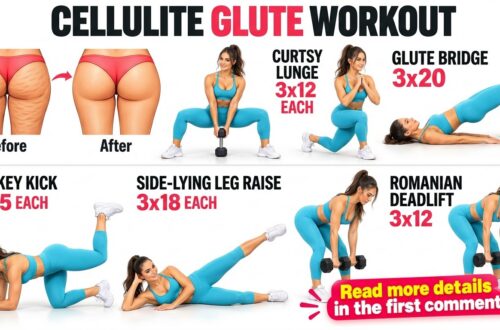
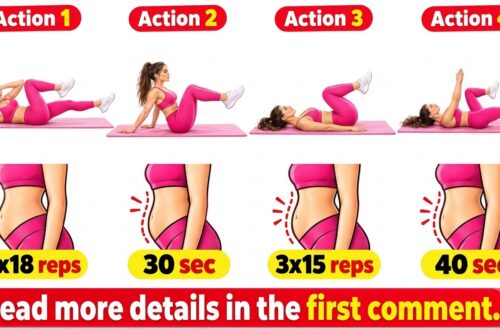
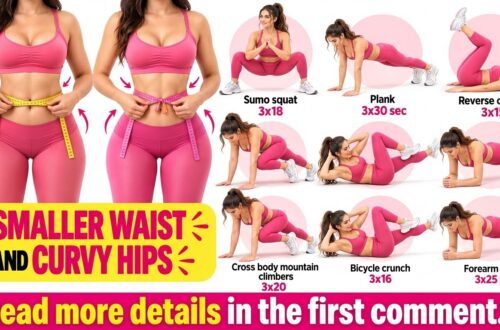
Many people are curious about the appearance of ‘hip dips’ and how to achieve a stronger, more toned lower body. It’s a common area of focus for fitness enthusiasts, and with consistent, targeted exercises, you can certainly work towards building the muscles around your hips for a smoother, more defined look. This guide is designed to help you understand hip dips and provide a practical 4-week exercise plan to support your lower body strengthening goals.
Please remember, the information in this article is for educational purposes only and should not be considered a substitute for professional medical advice or treatment. Always consult with a healthcare provider or a certified fitness professional before starting any new exercise program.
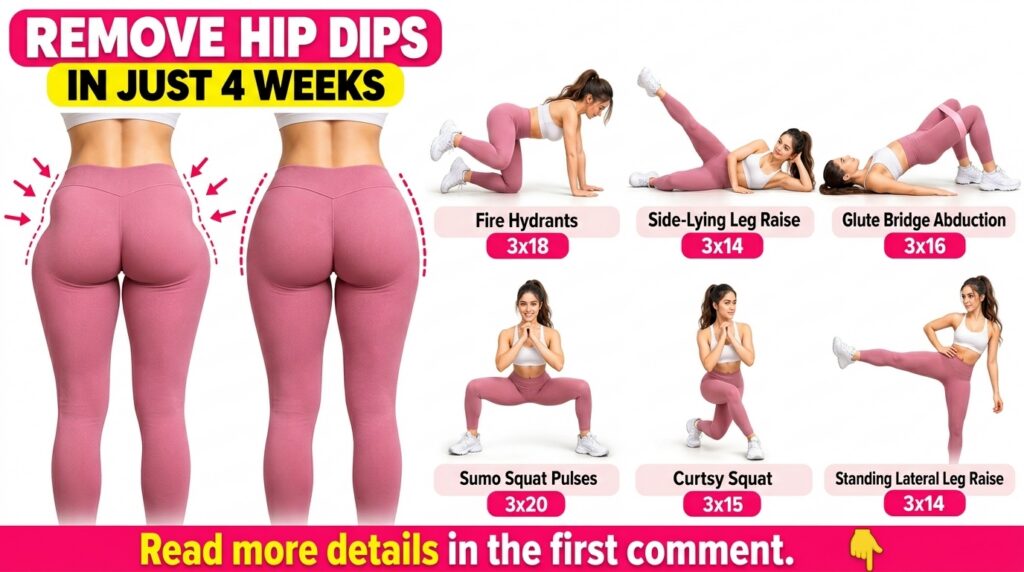
Understanding Hip Dips: What Are They?
First, let’s clarify what ‘hip dips’ are. Often referred to as ‘violin hips,’ these are inward indentations found along the side of the body, just below the hip bone. They are a natural part of your bone structure, specifically where your hip bone meets your thigh bone. The depth and prominence of hip dips are largely determined by your skeletal anatomy, the width of your hips, and the distribution of muscle and fat around the area. It’s important to understand that having hip dips is completely normal and not a flaw.
While you cannot change your bone structure, you can develop the muscles around your hips – specifically the gluteal muscles – to create a fuller, more rounded appearance that may help minimize their prominence. Our focus here is on muscle development and overall lower body strength, not on ‘fixing’ a natural body shape.
The Role of Gluteal Muscles
The gluteal muscles consist of three main parts: the gluteus maximus, gluteus medius, and gluteus minimus. Each plays a crucial role in hip movement, stability, and shaping the hip and buttock area:
- Gluteus Maximus: The largest gluteal muscle, responsible for hip extension (like standing up from a squat).
- Gluteus Medius: Located on the outer surface of the pelvis, crucial for hip abduction (moving the leg out to the side) and stabilizing the pelvis during walking.
- Gluteus Minimus: The smallest and deepest gluteal muscle, also aids in hip abduction and stabilization.
By targeting these muscles, especially the gluteus medius and minimus, through specific exercises, you can strengthen and build mass in the areas that contribute to a more rounded hip silhouette.
Your 4-Week Hip Dip Workout Guide
Consistency is paramount when aiming for muscle development. Aim to perform these exercises 2-3 times per week, allowing for rest days in between. Focus on proper form to maximize effectiveness and prevent injury. If you’re new to these exercises, start with fewer repetitions and gradually increase as your strength improves.
The Exercises:
-
Glute Bridge
How to: Lie on your back with your knees bent, feet flat on the floor, and arms by your sides. Engage your core and glutes, then lift your hips off the floor until your body forms a straight line from your shoulders to your knees. Hold for a second, then slowly lower back down.
Benefits: Excellent for activating the gluteus maximus and strengthening the core.
Sets & Reps: 3 sets of 12-15 repetitions.
-
Clamshells
How to: Lie on your side with your knees bent and stacked, and your head supported by your lower arm. Keep your feet together and engage your core. While keeping your hips stable, lift your top knee towards the ceiling, like a clamshell opening. Slowly lower your knee back down.
Benefits: Primarily targets the gluteus medius, essential for hip abduction and stability.
Sets & Reps: 3 sets of 15-20 repetitions per side.
-
Side Leg Raises
How to: Lie on your side with your legs extended straight and stacked. You can prop yourself up on your forearm or lie flat. Keeping your core engaged and your body in a straight line, slowly lift your top leg towards the ceiling. Control the movement as you slowly lower it back down.
Benefits: Works the gluteus medius and minimus, contributing to outer hip strength.
Sets & Reps: 3 sets of 12-15 repetitions per side.
-
Fire Hydrants
How to: Start on your hands and knees, with your wrists under your shoulders and knees under your hips. Keep your back flat and core engaged. Lift one knee out to the side, keeping the knee bent at a 90-degree angle, as if you’re a dog lifting its leg. Lower it back down with control.
Benefits: Targets the gluteus medius and outer thighs, improving hip mobility.
Sets & Reps: 3 sets of 12-15 repetitions per side.
-
Sumo Squats
How to: Stand with your feet wider than shoulder-width apart, toes pointing outwards. Keeping your chest up and back straight, lower your hips as if sitting into a chair, aiming for your thighs to be parallel to the floor. Push through your heels to return to the starting position.
Benefits: Engages the glutes, inner thighs, and quadriceps, offering a comprehensive lower body workout.
Sets & Reps: 3 sets of 10-12 repetitions.
-
Curtsy Lunges
How to: Stand with your feet hip-width apart. Step one leg diagonally behind the other, crossing it over, and lower your hips until both knees are bent at approximately 90-degree angles, like a curtsy. Return to the starting position and repeat on the other side.
Benefits: Excellent for targeting the gluteus medius and inner thighs, enhancing hip stability and strength.
Sets & Reps: 3 sets of 10-12 repetitions per side.
Beyond Exercises: A Holistic Approach
While targeted exercises are key, remember that overall wellness supports your fitness journey:
- Nutrition: Ensure you’re consuming enough protein to support muscle repair and growth. A balanced diet rich in whole foods is always beneficial.
- Hydration: Drink plenty of water throughout the day to support bodily functions and exercise performance.
- Rest and Recovery: Allow your muscles time to recover and grow. Overtraining can hinder progress. Quality sleep is crucial.
Important Considerations
It’s vital to have realistic expectations. Results vary greatly among individuals due to genetic factors, body composition, consistency, and diet. Building muscle takes time and patience. Focus on the journey of strengthening your body and improving your overall fitness, rather than solely on altering a specific body shape.
Remember, your body is unique and beautiful just as it is. This guide is about empowering you to feel stronger and more confident in your fitness journey, whatever your individual goals may be.