Most people eagerly await the sweet, succulent fruit of the persimmon tree, but often overlook the true herbal treasure hiding in plain sight: its leaves. While the fruit takes center stage in autumn, the leaves are what many herbalists keep for their unique properties and versatile applications in traditional wellness practices. One small preparation mistake, however, can ruin the entire batch of what could be a potent home remedy. Let’s dive into how to harness the power of persimmon leaves correctly.

What It Is: The Power of Persimmon Leaves
Persimmon leaves, primarily from the Diospyros kaki tree, are more than just foliage; they’ve been a staple in folk remedies for centuries, particularly in East Asia. Unlike the fruit, which is celebrated for its taste, the leaves are valued for compounds that some believe contribute to overall well-being. When properly prepared, often as a tea or topical compress, they offer a different spectrum of benefits. The key is understanding how to select, prepare, and use them to unlock their full potential.
Ingredients for Persimmon Leaf Tea
Creating your own persimmon leaf remedy is straightforward, especially if you focus on a simple tea. Here’s what you’ll need:
- Fresh or dried persimmon leaves (preferably organic and unsprayed)
- Clean, filtered water
- Optional: Honey or a slice of lemon for taste
Approximate Measurements
For a standard cup of persimmon leaf tea:
- Dried leaves: 1-2 teaspoons per 8 ounces (about 240 ml) of water.
- Fresh leaves: 2-3 medium-sized leaves per 8 ounces (about 240 ml) of water.
Formula / Recipe: Persimmon Leaf Tea
The most common and effective way to utilize persimmon leaves is by brewing them into a soothing tea. This method allows for easy extraction of the leaf’s beneficial compounds.
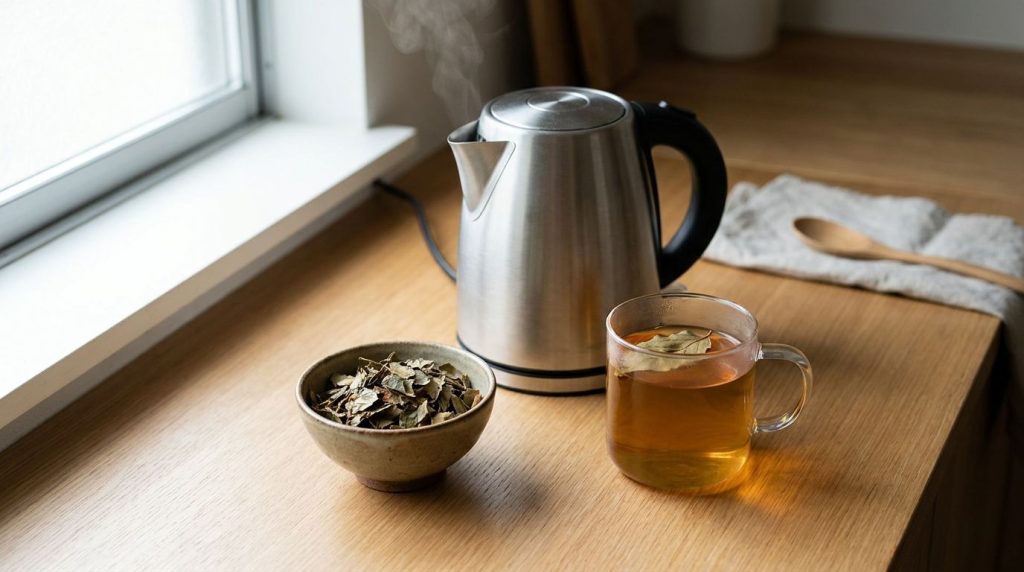
Step-by-Step Method: Brewing Your Tea
- Harvesting/Selecting: If using fresh leaves, choose healthy, vibrant green leaves free from blemishes or signs of disease. Ideally, harvest in spring or early summer. If buying dried, ensure they are from a reputable source.
- Washing (Fresh Leaves): Rinse fresh leaves thoroughly under cold running water to remove any dirt, dust, or potential pesticides. Pat them dry with a clean cloth.
- Drying (Fresh Leaves): This is crucial. Lay fresh leaves in a single layer on a clean cloth or drying rack in a well-ventilated area, away from direct sunlight. Alternatively, use a dehydrator on a low setting (around 100-110°F or 40-45°C) until completely brittle. This process can take several days naturally or several hours in a dehydrator. Proper drying prevents mold and preserves potency.
- Chopping: Once dried, crumble or roughly chop the leaves into smaller pieces.
- Brewing: Bring your filtered water to a boil. Remove from heat and add the chopped persimmon leaves.
- Steeping: Cover the pot or cup and let the leaves steep for 5-10 minutes. For a stronger brew, steep longer, but be mindful that it can become more bitter.
- Straining: Strain the tea through a fine-mesh sieve into your cup, discarding the spent leaves.
- Serve: Enjoy your tea warm. Add honey or lemon if desired.
Quick Tip: Fresh vs. Dried Leaves
While fresh leaves can be used, drying them concentrates their properties and makes them shelf-stable, offering a more consistent brew. Dried leaves are also less likely to introduce any unwanted bitterness that sometimes occurs with improperly prepared fresh leaves.
How to Use
The primary use for persimmon leaves, as detailed, is brewing a warm tea. This tea is traditionally consumed orally. For external applications, a stronger brew can be cooled and used as a skin rinse or compress, though internal consumption is more common for general wellness purposes.
How Often to Use
Most recommendations suggest enjoying 1-2 cups of persimmon leaf tea per day. It’s always wise to start with a smaller amount to see how your body reacts, especially if you are new to herbal remedies.
How to Buy / How to Choose Ingredients
When sourcing persimmon leaves, whether fresh or dried, quality is paramount:
- Fresh Leaves: If harvesting yourself, ensure the trees have not been sprayed with pesticides or herbicides. Choose vibrant, healthy leaves without discoloration or insect damage.
- Dried Leaves: Purchase from reputable herbal suppliers or organic food stores. Look for leaves that are uniformly green or brownish-green, not faded or dusty. Avoid products with added fillers or artificial ingredients.
Storage
Proper storage ensures the longevity and potency of your persimmon leaves:
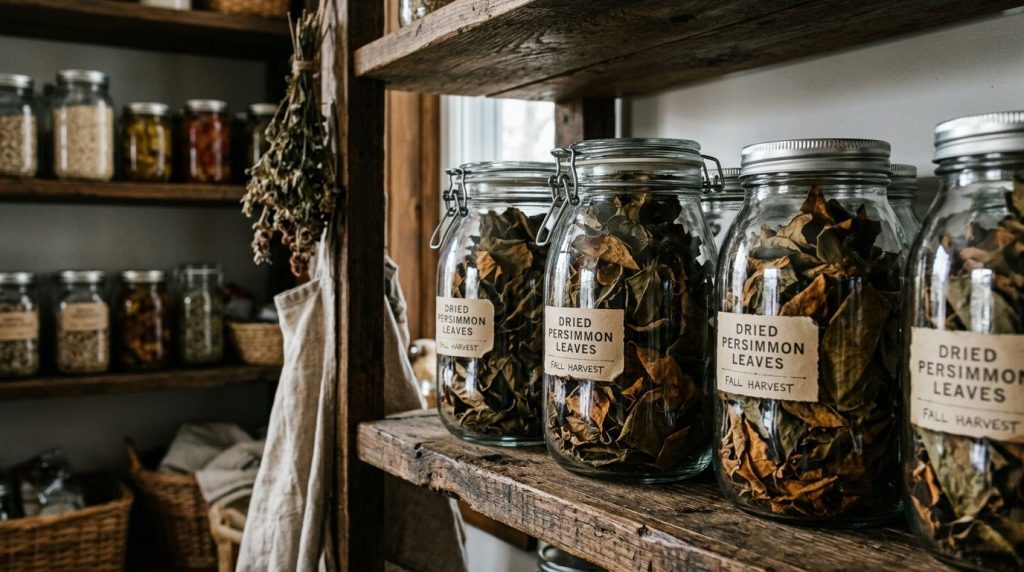
- Dried Leaves: Store in an airtight container (glass jars are ideal) in a cool, dark, dry place. Kept this way, they can last for up to a year.
- Prepared Tea: Freshly brewed tea is best consumed immediately. If you have leftovers, store them in a sealed container in the refrigerator for up to 24 hours. Reheat gently, but avoid re-boiling.
Practical Tips
- Consistency: For best results, consistent daily use over a period is often suggested, rather than sporadic consumption.
- Taste Experimentation: If the taste is too earthy for you, try adding a cinnamon stick, a few ginger slices, or a squeeze of fresh orange.
- Eco-Friendly Harvest: If harvesting fresh, take only a portion of leaves from each branch to avoid stressing the tree.
Did You Know?
The ideal time to harvest persimmon leaves for drying is typically in late spring to early summer when the leaves are mature and green, but before they start changing color in the fall.
Common Mistakes
Avoid these pitfalls to make the most of your persimmon leaf remedy:
- Using Damaged or Diseased Leaves: Always select healthy, unblemished leaves to ensure purity.
- Improper Drying: Insufficient drying leads to mold growth, rendering the leaves unusable. Over-drying at high temperatures can degrade beneficial compounds.
- Boiling Too Long: Simmering leaves for extended periods can extract bitter compounds and diminish delicate flavors and properties. Steeping off the boil is generally preferred.
- Storing in Wet Containers: Any moisture in your storage container will encourage mold. Ensure leaves are bone dry before storage.
- Using Sprayed Plants: Always verify that the source tree has not been treated with harmful chemicals.
Cautions / Who Should Avoid It
While generally considered safe for most adults in moderate amounts, certain individuals should exercise caution or avoid persimmon leaf remedies:
- Pregnancy and Breastfeeding: Limited research is available; consult a healthcare professional before use.
- Medication Interactions: If you are on any medication, especially for blood pressure or blood sugar, consult your doctor. Persimmon leaves might have interactions.
- Allergies: If you have allergies to persimmon fruit or other related plants, exercise caution.
Quick Summary
Persimmon leaf tea is a simple, traditional remedy. It’s best prepared by steeping dried, chopped leaves in hot water. Store dried leaves in airtight containers in a cool, dark place. Use it daily for general wellness, but always source organic leaves and avoid if pregnant, breastfeeding, or on certain medications without professional advice.
You may also like: DIY Herbal Infusions for Wellness
FAQ
- Can I use fresh or dried persimmon leaves?
Both can be used, but dried leaves are generally preferred for consistency, potency, and longer shelf life. - How long does the dried tea last?
Properly stored dried persimmon leaves can last up to one year, maintaining their quality. - Can I refrigerate brewed persimmon leaf tea?
Yes, you can refrigerate brewed tea for up to 24 hours, but fresh is always best. - How often should I use persimmon leaf tea?
1-2 cups per day is a common recommendation, but always listen to your body and start with less. - What part of the persimmon plant is best for tea?
The leaves are the primary part used for this specific tea remedy. - Can I reuse the leaves for another brew?
While you can, the second brew will likely be significantly weaker as most beneficial compounds are extracted during the first steeping. - When should I avoid persimmon leaf tea?
Avoid if pregnant, breastfeeding, on certain medications, or if you have a known allergy, without consulting a healthcare professional.
Continue with: Natural Remedies for Digestive Health
Conclusion
The humble persimmon leaf offers a surprisingly accessible and valuable addition to your home remedy repertoire. By following these practical steps for harvesting, drying, and brewing, you can enjoy a simple, time-honored tea. Remember that nature often hides its greatest gifts in plain sight, waiting for us to learn how to respectfully uncover them. Embrace the often-overlooked and explore the natural wisdom that persimmon leaves have to offer.
