Most people immediately think of the sweet, tropical fruit when ‘guava’ is mentioned. But here’s the part most people skip: the leaves. Overlooked and often discarded, guava leaves hold a fascinating, often overlooked lore of their own, brimming with potential as a simple yet powerful daily remedy. Many herbalists and home remedy enthusiasts consider them a hidden treasure, and for good reason.
Before you brew your next cup of herbal tea or seek an expensive skin tonic, let’s dive into the practical uses of guava leaves and how you can easily incorporate them into your routine.
What Are Guava Leaves?
Guava leaves come from the Psidium guajava tree, a common tropical plant known for its delicious fruit. However, the leaves themselves are packed with compounds like flavonoids, tannins, and polyphenols, which are the secret behind their traditional uses. When prepared correctly, these leaves can form the basis of a versatile infusion or topical rinse.
Ingredients for Your Guava Leaf Remedy
Creating a basic guava leaf remedy is surprisingly simple, requiring just two key ingredients:
- Fresh or Dried Guava Leaves
- Water (preferably filtered)
That’s it! No complex concoctions needed. The quality of your leaves, however, makes all the difference.
Approximate Measurements
For a standard infusion, whether for drinking or topical use, the following measurements work well:
- For Tea/Oral Rinse: 10-12 medium-sized fresh guava leaves OR 1-2 tablespoons of dried, crushed guava leaves per 2 cups (500ml) of water.
- For Topical Rinse/Hair Tonic: 15-20 medium-sized fresh guava leaves OR 2-3 tablespoons of dried, crushed guava leaves per 3 cups (750ml) of water for a stronger decoction.
Formula / Recipe: Guava Leaf Infusion
This simple infusion serves as the base for most guava leaf remedies. You can drink it as a tea or use it as a topical wash.
Step-by-Step Method
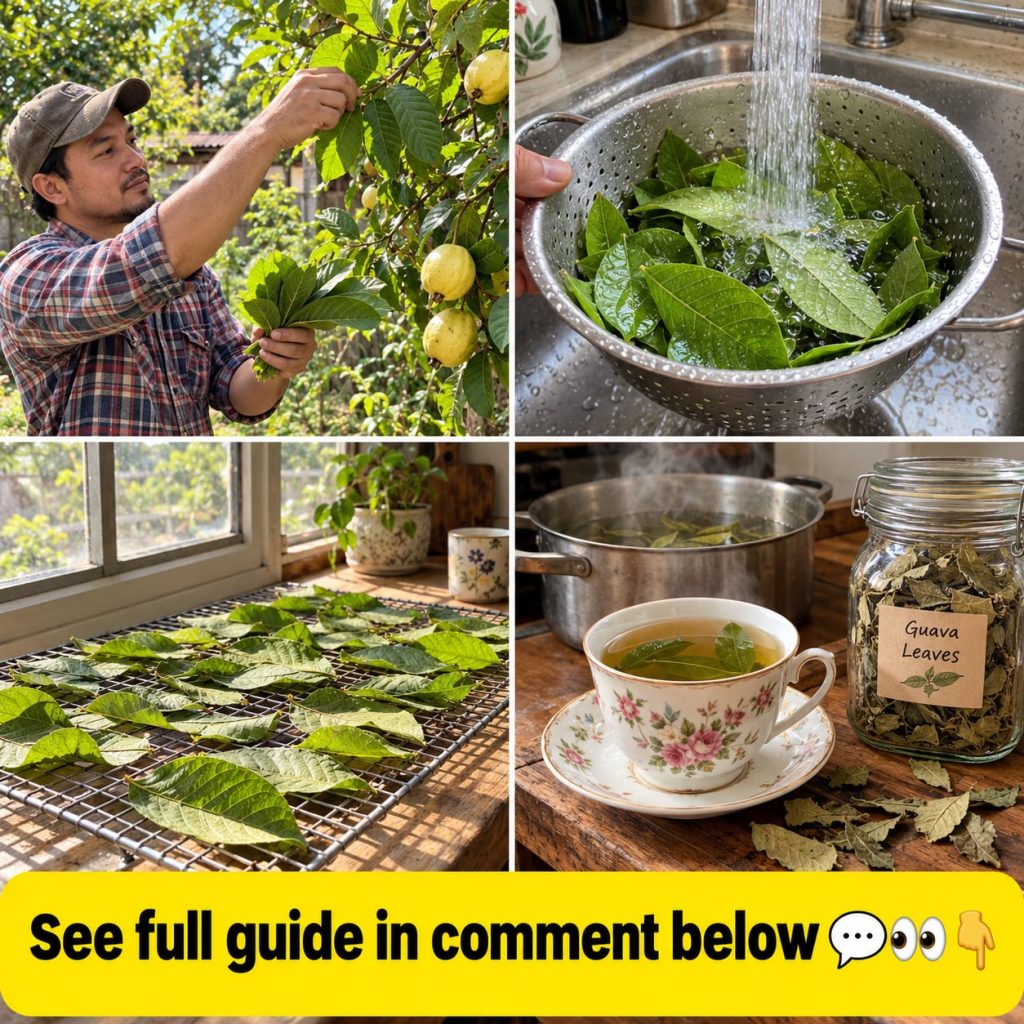
- Gather Your Leaves: If using fresh leaves, wash them thoroughly under cold running water to remove any dirt or debris. If using dried leaves, ensure they are clean and free from impurities.
- Prepare the Water: Bring your measured water to a rolling boil in a clean saucepan.
- Add the Leaves: Once the water is boiling, add the fresh or dried guava leaves.
- Simmer: Reduce the heat to low, cover the pot, and let the leaves simmer gently for 10-15 minutes. This allows the beneficial compounds to extract into the water. For a stronger topical rinse, you can simmer for up to 20 minutes.
- Strain: Remove the pot from the heat. Let it cool slightly, then strain the liquid into a clean mug or glass jar, discarding the used leaves.
- Cool: Allow the infusion to cool to a comfortable temperature before use.
Quick Tip: For internal use, adding a slice of lemon or a drizzle of honey can enhance the flavor of your guava leaf tea.
How to Use Your Guava Leaf Remedy
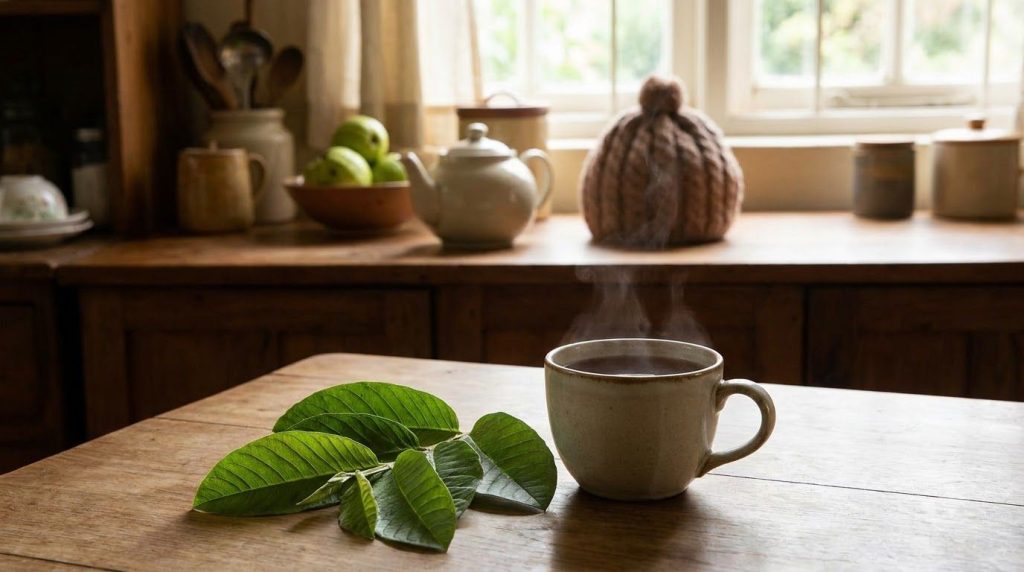
- As a Tea: Drink the warm infusion for digestive support, to soothe an upset stomach, or simply as a comforting herbal beverage.
- As an Oral Rinse: Use the cooled infusion as a mouthwash to support gum health or freshen breath. Swish for 30 seconds, then spit.
- As a Hair Rinse: After shampooing, pour the cooled infusion over your scalp and hair. Gently massage it in. Do not rinse out for maximum benefit, or rinse lightly after 10-15 minutes.
- As a Skin Toner: Apply the cooled infusion to your face with a cotton pad to help with oily skin or blemishes.
How Often to Use
- Tea: 1-2 cups per day, as needed, especially after meals for digestion.
- Oral Rinse: 1-2 times daily, ideally after brushing.
- Hair Rinse: 2-3 times per week.
- Skin Toner: Once daily, or every other day, depending on skin sensitivity.
How to Buy / How to Choose Ingredients
The best guava leaves are fresh, vibrant green, and free from any spots, holes, or signs of disease. If harvesting from your own garden or a known pesticide-free source, pick mature leaves. If buying, look for organic or wild-harvested dried leaves from reputable herbal suppliers. Avoid leaves that look yellowed, brittle, or have an off smell.
Storage
- Fresh Leaves: Store fresh guava leaves in a paper towel-lined bag in the refrigerator for up to 5-7 days.
- Dried Leaves: Keep dried guava leaves in an airtight container in a cool, dark place. They can last for up to 6 months to a year, though potency may decrease over time.
- Infusion: The prepared infusion can be stored in an airtight container in the refrigerator for up to 2-3 days.
Practical Tips
- Consistency is Key: Like many natural remedies, regular and consistent use yields the best results.
- Patch Test: If using topically for skin or hair, perform a patch test on a small area first to check for any sensitivities.
- Experiment with Strength: Adjust the number of leaves or simmering time to find the strength that works best for you.
Common Mistakes
- Boiling Too Vigorously: A gentle simmer is better than a hard boil, which can degrade some sensitive compounds.
- Using Sprayed Leaves: Always ensure your leaves are free from pesticides or harmful chemicals, especially if using fresh from an unknown source.
- Skipping the Wash: Even if leaves look clean, a quick rinse under running water is crucial for fresh leaves.
- Overlooking Freshness: While dried leaves work, fresh leaves often offer a more potent and aromatic experience.
Fresh vs. Dried Guava Leaves
| Feature | Fresh Guava Leaves | Dried Guava Leaves |
|---|---|---|
| Potency | Often higher, more vibrant flavor/aroma | Good, but may lose some volatile compounds |
| Availability | Seasonal, harder to find unless you grow them | Year-round, widely available from suppliers |
| Storage | Short (5-7 days in fridge) | Long (6-12 months in airtight container) |
| Preparation | Wash thoroughly before use | No washing needed, just steep |
Cautions / Who Should Avoid It
While generally considered safe for most people, some individuals should exercise caution:
- Pregnancy and Breastfeeding: Limited research exists, so it’s best to consult a healthcare professional before use.
- Diabetes: Guava leaf tea may lower blood sugar levels, so monitor your levels closely if you’re on diabetes medication.
- Surgery: Due to potential effects on blood sugar, discontinue use at least two weeks before any scheduled surgery.
- Allergies: If you have allergies to guava fruit or other tropical plants, use with caution.
Always listen to your body and consult a healthcare provider if you have underlying health conditions or are taking medications.
You may also like: Natural Ways to Boost Digestion
Quick Summary
- Best Preparation: Simple hot water infusion (simmer for 10-15 mins).
- Best Use-Case: Internal (digestive aid, tea) or external (hair rinse, skin toner, oral rinse).
- Storage: Fresh in fridge (1 week), dried in airtight container (6-12 months), infusion in fridge (2-3 days).
- When to Use: Daily for general wellness, as needed for specific concerns.
- What to Avoid: Pesticide-laden leaves, vigorous boiling, ignoring storage guidelines.
FAQ
Can I use fresh or dried guava leaves?
Both fresh and dried leaves are effective. Fresh leaves may offer a slightly stronger flavor and aroma, while dried leaves are more convenient for long-term storage.
How long does the guava leaf infusion last?
The prepared infusion can be stored in an airtight container in the refrigerator for up to 2-3 days.
Can I refrigerate guava leaves?
Yes, fresh guava leaves can be stored in a paper towel-lined bag in the refrigerator for up to a week.
How often should I use guava leaf tea for digestion?
You can drink 1-2 cups per day, especially after meals, for digestive support.
What part of the guava plant is best for remedies?
While the fruit is well-known, it’s the mature leaves that are primarily used for herbal remedies due to their concentrated beneficial compounds.
Can I reuse the leaves for another batch of tea?
No, the leaves typically release most of their beneficial compounds in the first steeping. Reusing them will result in a much weaker infusion.
When should I avoid guava leaf remedies?
Avoid if pregnant, breastfeeding, or undergoing surgery. Consult a doctor if you have diabetes or any other chronic health condition, or are on medication.
Continue with: Your Guide to Herbal Hair Care
Conclusion
The humble guava leaf is a testament to nature’s often-overlooked bounty. By learning to prepare and use this simple infusion, you unlock a versatile, natural remedy for common ailments and daily wellness routines. Whether you’re seeking digestive comfort, a natural boost for your hair, or a gentle skin toner, guava leaves offer an accessible and effective solution. Don’t miss out on this hidden treasure any longer!