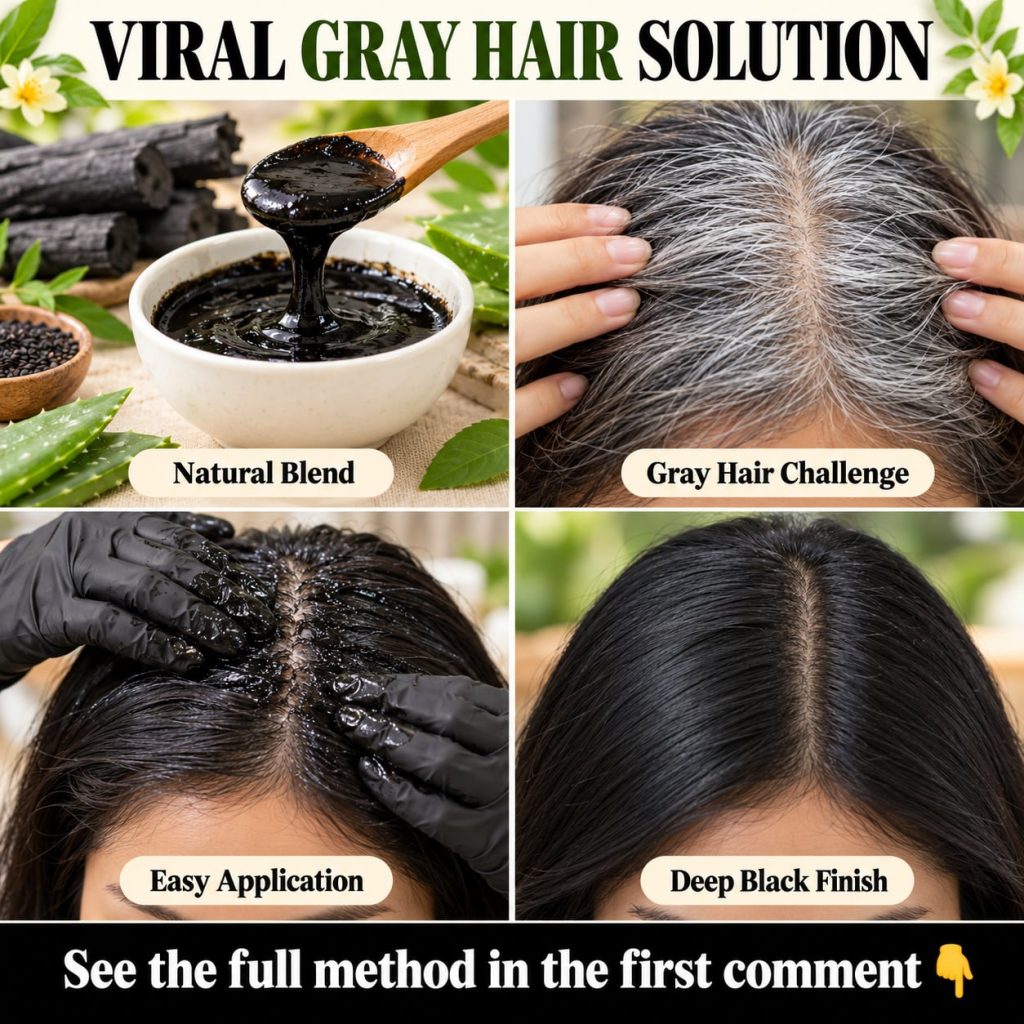
Are you starting to notice a few more silver strands popping up? It’s a completely natural part of life, but if you’re like many people looking for natural ways to support your hair’s youthful vibrancy, you’ve probably heard about the buzz around a viral serum. This popular beauty routine is gaining attention for its natural approach to transforming white hair to black, and it’s definitely worth learning about!
What Exactly Is This Viral Serum People Are Trying?
Unlike commercial dyes, this viral serum often refers to a concoction of natural ingredients that people are using in hopes of boosting hair health and restoring their natural hair color. The idea is to nourish the scalp and hair follicles with potent botanicals and oils that are believed to have pigment-stimulating or hair-strengthening properties. It’s less about an instant color change and more about a consistent, natural care routine.
Common Natural Ingredients People Are Using in Their DIY Serums
The beauty of a DIY approach is the flexibility to choose ingredients that resonate with you. Here are some of the popular components people often include in these serums and why they’re chosen:
- Rosemary Oil: Widely celebrated in natural hair care, rosemary oil is often used to stimulate circulation in the scalp, which many believe can support healthier hair growth and potentially even help maintain natural hair color.
- Amla (Indian Gooseberry) Powder: A powerhouse of Vitamin C and antioxidants, amla is a staple in Ayurvedic practices for promoting strong, healthy hair and is often cited for its potential to prevent premature graying.
- Black Tea: Rich in tannins, black tea is sometimes used as a natural rinse or in serums, as people believe it can help darken hair over time, especially when mixed with other ingredients.
- Curry Leaves: Often used in traditional remedies, curry leaves are thought to be beneficial for strengthening hair roots and improving hair pigmentation.
- Carrier Oils (e.g., Coconut Oil, Jojoba Oil, Almond Oil): These oils act as a base, helping to dilute essential oils and provide deep moisture and nourishment to the scalp and hair strands.
How People Prepare and Use These Serums
While recipes can vary, a common method for preparing a natural hair serum involves infusing oils with herbs or combining potent powders into a carrier oil base. Here’s a general idea of how people might go about it:
-
Infusion Method:
- Gently heat a carrier oil (like coconut or olive oil) with fresh or dried rosemary, curry leaves, or black tea bags over low heat for an hour or two.
- Let it cool, then strain out the plant material.
- Store the infused oil in a clean, airtight bottle.
-
Powder Method:
- Mix a teaspoon of amla powder with a few tablespoons of a carrier oil until it forms a smooth paste or thin serum consistency.
- You might add a few drops of rosemary essential oil for added benefits.
To Use: People typically massage the serum gently into their scalp and hair, focusing on the roots. It can be left on for a few hours or even overnight (with a shower cap to protect bedding) before shampooing and conditioning as usual. Consistency is often highlighted as key for seeing any potential benefits.
Important Considerations Before You Try This
As with any DIY beauty routine, it’s essential to approach this with realistic expectations and caution:
- No Medical Claims: Remember, this is a popular beauty routine, not a medically proven treatment for gray hair. While natural ingredients can support hair health, claims about permanently reversing gray hair are not substantiated by medical science.
- Patch Test is Crucial: Always perform a patch test on a small area of your skin (like behind your ear or on your inner arm) 24-48 hours before applying it to your entire scalp to check for any allergic reactions or sensitivities.
- Consistency is Key: People who report positive experiences with natural remedies often emphasize the need for consistent and long-term use to observe any subtle changes in hair texture, strength, or color.
- Professional Advice: If you have underlying scalp conditions or concerns about significant hair changes, it’s always best to consult with a dermatologist or hair care professional.
The BEAUTY 2 Takeaway
Exploring natural methods for your hair care can be a wonderfully empowering journey, offering a gentle alternative to chemical treatments. While this viral serum is generating interest for its potential to help with graying hair, its primary benefits likely lie in nourishing your scalp and hair with wholesome ingredients. It’s a lovely way to dedicate time to self-care and embrace the power of nature for healthier-looking hair. Give it a try if it aligns with your beauty philosophy, but always listen to your body and your hair!