Salmon is a true culinary MVP, loved by home cooks and chefs alike for its rich flavor, flaky texture, and incredible versatility. Whether you’re looking for a quick weeknight meal, a healthy dinner option, or something special to impress guests, salmon always delivers. This guide is inspired by the endless possibilities salmon offers, inviting you to discover new ways to prepare this beloved fish. We’ll explore different cooking methods and flavor profiles, and provide a foundational recipe to get you started, proving that delicious and healthy salmon dishes are within everyone’s reach.
Why You’ll Love This Guide (and Salmon!)
- Healthy & Nutritious: Salmon is packed with omega-3 fatty acids, protein, and essential vitamins, making it a fantastic choice for a healthy diet.
- Quick & Easy: Many salmon dishes can be prepared in 30 minutes or less, perfect for busy evenings.
- Versatile Flavor: Salmon pairs beautifully with a wide range of seasonings, sauces, and cooking methods, from bright citrus to savory herbs.
- Family-Friendly: Its mild yet distinct flavor often appeals to a variety of palates, even picky eaters.
- Elegant Yet Simple: It feels gourmet but is surprisingly easy to cook perfectly at home.
- Meal-Prep Friendly: Cooked salmon can be enjoyed throughout the week in salads, grain bowls, or on its own.
Ingredients for Pan-Seared Salmon with Lemon-Dill Sauce (Example Recipe)
- 4 salmon fillets (about 6 oz or 170 g each), skin on or off
- 1 tbsp (15 ml) olive oil
- 1/2 tsp (2.5 g) salt, or to taste
- 1/4 tsp (1 g) black pepper, or to taste
- 1 tbsp (15 ml) unsalted butter
- 2 cloves garlic, minced
- 1/4 cup (60 ml) chicken or vegetable broth (or dry white wine)
- 2 tbsp (30 ml) fresh lemon juice
- 1 tbsp (5 g) fresh dill, chopped
- Lemon wedges, for serving
Ingredient Notes
- Salmon Fillets: Choose fresh or previously frozen salmon fillets. Look for vibrant color and firm flesh. Skin-on fillets tend to hold together better during cooking and can be crisped up beautifully.
- Olive Oil: A good quality olive oil helps with searing and adds flavor.
- Salt & Pepper: Essential seasonings. Adjust to your preference.
- Butter & Garlic: These create a flavorful base for the quick pan sauce.
- Broth/Wine: Adds depth to the sauce. White wine adds a lovely acidity.
- Lemon Juice: Brightens the flavor of the salmon and the sauce.
- Fresh Dill: Provides a classic, fresh herb complement to salmon. If you don’t have dill, fresh parsley or chives can work.
Equipment You’ll Need
- Large non-stick or cast-iron skillet
- Tongs or fish spatula
- Small bowl (for seasoning)
- Cutting board
- Sharp knife (for mincing garlic and chopping dill)
- Measuring spoons and cups
How to Make Pan-Seared Salmon with Lemon-Dill Sauce
This method highlights a quick and flavorful way to enjoy salmon.
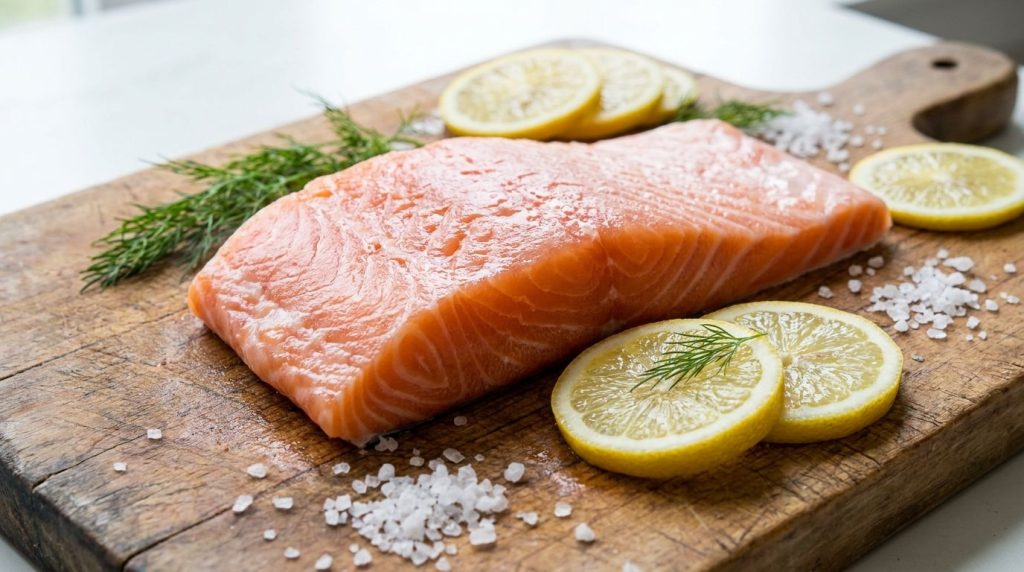
- Prepare the Salmon: Pat the salmon fillets dry with paper towels. This helps achieve a crispy skin (if skin-on) and a good sear. Season both sides generously with salt and pepper.
- Heat the Skillet: Place a large skillet over medium-high heat. Add olive oil and swirl to coat the bottom. Heat until the oil is shimmering and just starting to smoke slightly (about 2-3 minutes).
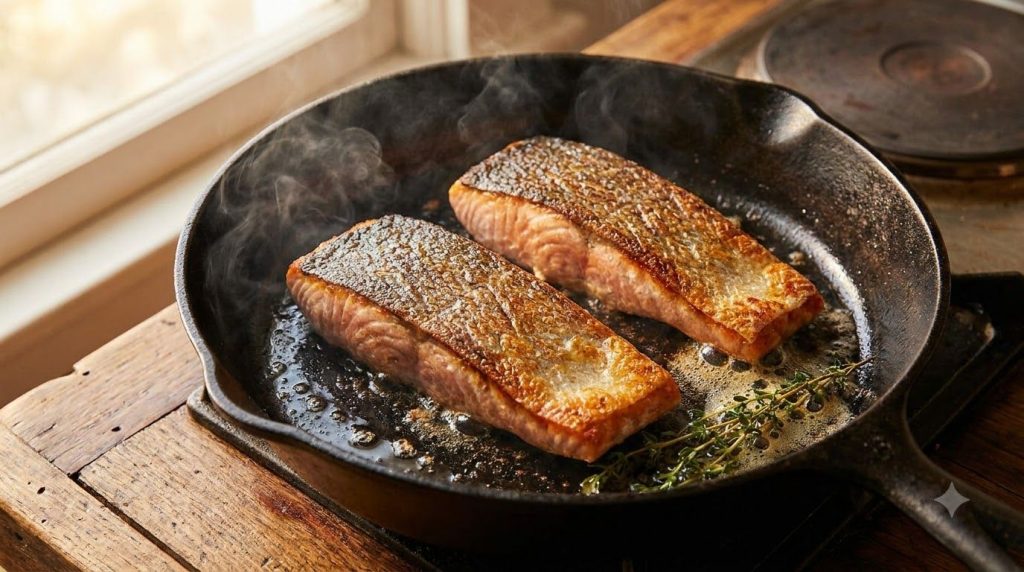
- Sear the Salmon (Skin-Side Down): Carefully place the salmon fillets, skin-side down (if applicable), into the hot skillet. Cook for about 4-6 minutes, or until the skin is crispy and golden brown, and the flesh has cooked about two-thirds of the way up the sides. For skinless fillets, cook for 3-4 minutes per side.
- Flip and Finish Cooking: Gently flip the salmon fillets. Add butter and minced garlic to the skillet. Cook for another 2-4 minutes, basting the salmon with the melting butter and garlic mixture. The salmon is done when it flakes easily with a fork in the thickest part but still has a slightly opaque center. Total cooking time will vary based on thickness (about 8-12 minutes for a 1-inch thick fillet).
- Make the Sauce: Remove the salmon from the skillet and set aside on plates, tented loosely with foil to keep warm. Reduce the heat to low. Add chicken broth (or wine) and lemon juice to the skillet, scraping up any browned bits from the bottom. Let it simmer for 1-2 minutes until slightly reduced. Stir in the fresh dill.
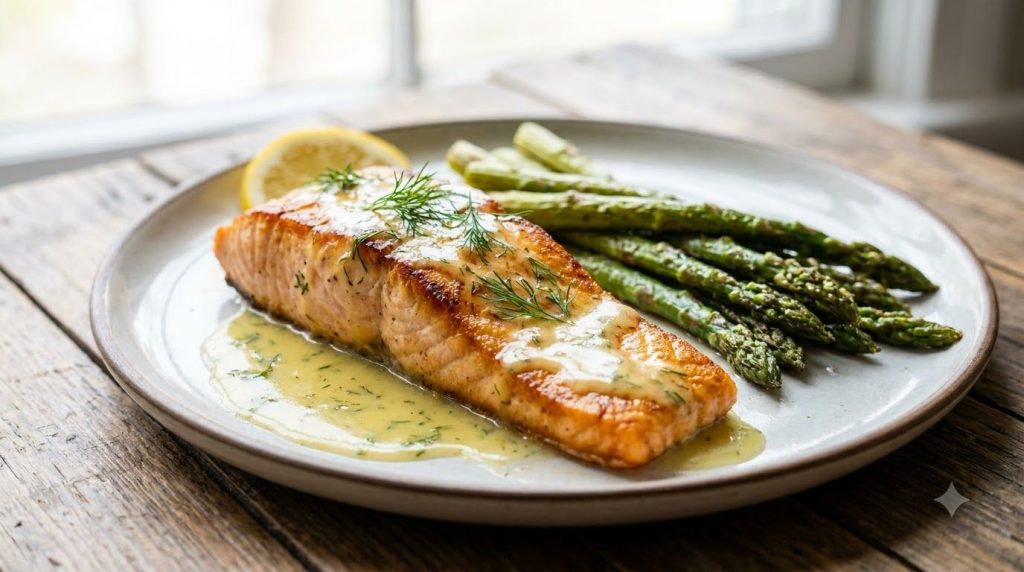
- Serve: Spoon the lemon-dill sauce over the salmon fillets. Garnish with fresh lemon wedges and serve immediately.
Pro Tips for the Best Results
- Pat Dry for Crispiness: Always pat salmon fillets very dry before cooking, especially if searing skin-side down. Moisture prevents browning and crisping.
- Don’t Overcrowd the Pan: Cook salmon in batches if necessary to ensure each fillet gets proper contact with the hot surface, leading to a better sear.
- Use High Heat for Searing: Start with medium-high heat to get a good crust, then reduce if needed to finish cooking without burning.
- Cook Skin-Side Down First: If your salmon has skin, cook it skin-side down for most of the cooking time. This helps protect the delicate flesh from overcooking and makes the skin wonderfully crispy.
- Don’t Overcook: Salmon is best when cooked to medium, where it’s still tender and juicy. It should flake easily but still have a slightly pink, opaque center.
- Rest the Salmon: Like other proteins, letting salmon rest for a few minutes after cooking allows the juices to redistribute, keeping it moist.
- Season Simply, Yet Effectively: Good quality salmon often shines with just salt, pepper, and a touch of acid like lemon.
Common Mistakes to Avoid
- Overcooking Salmon: This is the most common mistake. Overcooked salmon becomes dry, tough, and less flavorful. Watch for visual cues and use a thermometer if unsure (internal temperature of 125-130°F / 52-54°C for medium-rare, or 135-140°F / 57-60°C for medium).
- Starting with a Cold Pan: Placing salmon into a cold or insufficiently heated pan will result in it sticking and a lack of a good sear.
- Moving it Too Soon: When searing, let the salmon cook undisturbed for a few minutes to form a crust before attempting to flip it. If it resists, it’s not ready.
- Not Patting Dry: Wet salmon steams rather than sears, preventing a desirable crispy texture.
- Ignoring Fillet Thickness: Adjust cooking times based on how thick your salmon fillets are. Thicker cuts will take longer.
Variations & Substitutions (Exploring More Salmon Recipes)
While our featured recipe focuses on pan-searing, salmon is incredibly versatile! Here are just a few ways you can adapt or expand your salmon repertoire:
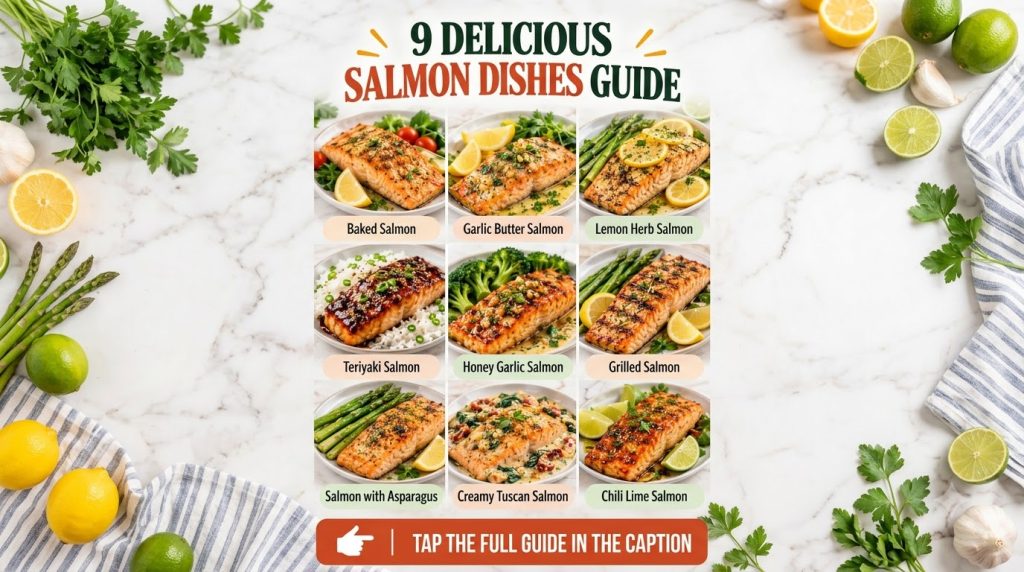
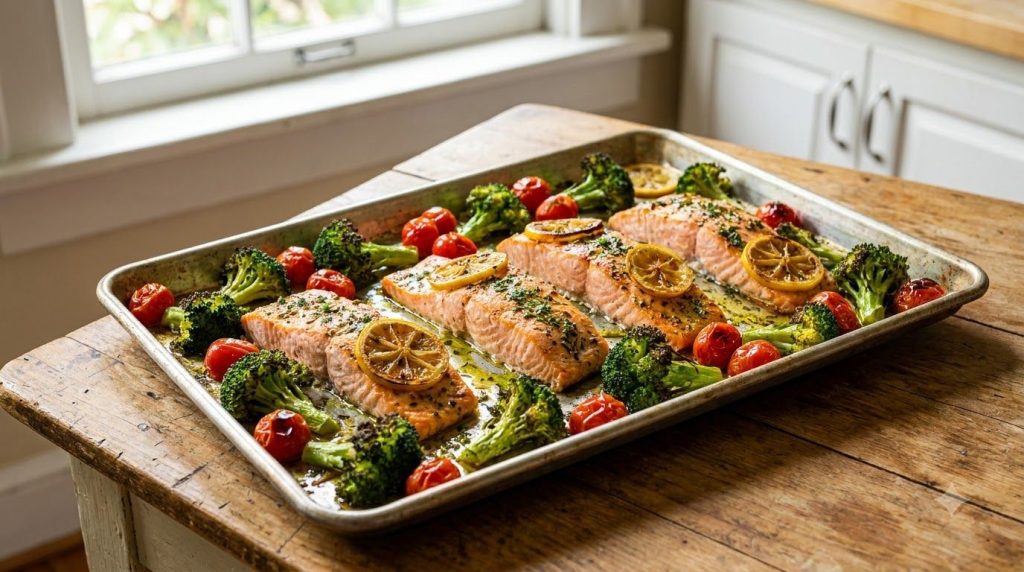
- Baked Salmon: A hands-off method. Season fillets with olive oil, salt, pepper, and herbs (like thyme or rosemary), then bake at 400°F (200°C) for 12-18 minutes, depending on thickness. Add vegetables like asparagus or broccoli to the pan for a sheet pan meal.
- Grilled Salmon: Perfect for warmer weather. Brush with olive oil, season, and grill over medium-high heat for 4-6 minutes per side until cooked through. A cedar plank can add a wonderful smoky flavor.
- Poached Salmon: For a delicate, moist result. Gently simmer salmon in a flavorful liquid (water, white wine, broth with aromatics) until cooked. Excellent served cold in salads.
- Spice Rubs: Experiment with various spice blends like paprika, cumin, chili powder, garlic powder, or even a store-bought blackening seasoning for a bolder flavor.
- Glazes & Sauces:
- Teriyaki Glazed: Brush with store-bought or homemade teriyaki sauce during the last few minutes of cooking.
- Honey Garlic: A sweet and savory glaze made with honey, soy sauce, and minced garlic.
- Pesto: Top baked or pan-seared salmon with a dollop of fresh pesto.
- Creamy Dill Sauce: A yogurt or sour cream-based sauce with fresh dill, lemon, and garlic.
- Herb Combinations: Beyond dill, try salmon with parsley, chives, tarragon, or a mix of fresh herbs.
Serving Suggestions
Our Pan-Seared Lemon-Dill Salmon pairs beautifully with:
- Roasted Asparagus or Broccoli: Simple, healthy, and complements the flavors.
- Rice Pilaf or Quinoa: A light grain side to soak up the sauce.
- Green Salad: A crisp salad with a vinaigrette dressing.
- Garlic Mashed Potatoes: For a more comforting meal.
- Crusty Bread: Great for dipping in the lemon-dill sauce.
For other salmon preparations, consider pairing with:
- Tacos/Burrito Bowls: Flaked grilled or baked salmon in tortillas or over rice with fresh salsa and avocado.
- Sandwiches/Wraps: Leftover salmon makes an excellent filling.
- Pasta: Incorporate flaked salmon into a light pasta dish with cherry tomatoes and spinach.
Storage & Reheating
- Refrigerator: Cooked salmon can be stored in an airtight container in the refrigerator for up to 3-4 days.
- Freezer: While possible, freezing cooked salmon can alter its texture, making it drier. If freezing, cool completely, wrap tightly in plastic wrap, then foil, and store in a freezer-safe bag for up to 2-3 months. Thaw overnight in the refrigerator.
- Reheating: Gently reheat salmon in a microwave on a low setting, or in a preheated oven (300°F / 150°C) for 10-15 minutes, covered with foil, until just warmed through. Avoid high heat to prevent drying it out. It’s also delicious cold or at room temperature in salads!
FAQ
Q: What type of salmon is best for these recipes?
A: Wild-caught salmon (like Sockeye or Coho) generally has a richer flavor and firmer texture. Farm-raised salmon (like Atlantic) is often fattier and more readily available. Both work wonderfully, so choose what you prefer and what’s available.
Q: How do I know when my salmon is cooked through?
A: Salmon is done when it flakes easily with a fork in the thickest part and appears opaque throughout. For precise cooking, an instant-read thermometer should register 135-140°F (57-60°C) for medium. Remember, it will continue to cook slightly after removal from heat.
Q: Can I use frozen salmon fillets?
A: Absolutely! Thaw frozen salmon completely in the refrigerator overnight before cooking. Pat it very dry before seasoning and cooking.
Q: What if I don’t like dill? What other herbs can I use?
A: If dill isn’t your favorite, fresh parsley, chives, tarragon, or even a mix of dried Italian herbs can be excellent substitutes. Rosemary or thyme also pair well, especially with baked salmon.
Q: How can I prevent salmon from sticking to the pan?
A: Ensure your pan is properly preheated and use enough oil (but not too much to deep-fry). A well-seasoned cast-iron skillet or a good quality non-stick pan works best. Don’t try to move the salmon until a good crust has formed and it naturally releases from the pan.
Q: Is it okay to eat salmon skin?
A: Yes, absolutely! If cooked properly (especially pan-seared or grilled), salmon skin can become wonderfully crispy and delicious. It’s also nutritious.
Q: Can I prepare the salmon ahead of time?
A: You can season the salmon fillets up to 30 minutes before cooking. The lemon-dill sauce can be made a day in advance and gently reheated. Cooked salmon is best enjoyed fresh, but leftovers are great for salads or cold dishes.