Tired of battling stubborn stains, persistent pests, and grimy corners with expensive, harsh chemicals? You’re not alone! Many of us face common household cleaning dilemmas that seem to require a specialized product for every single problem. But what if we told you that the solutions to many of your cleaning woes are likely already sitting in your pantry or medicine cabinet?
This comprehensive guide is designed for anyone looking to embrace a simpler, more natural, and budget-friendly approach to home cleaning. Whether you’re a seasoned DIY enthusiast or just starting your journey to a chemical-free home, you’ll find easy-to-follow instructions for tackling some of the most frustrating household challenges.
Get ready to transform your cleaning routine! We’ll show you how to conquer everything from pesky deodorant stains and stubborn oil spots on marble to unwelcome ant invaders and neglected window tracks, all using common household ingredients. Say goodbye to complicated product labels and hello to effective, natural cleaning power!
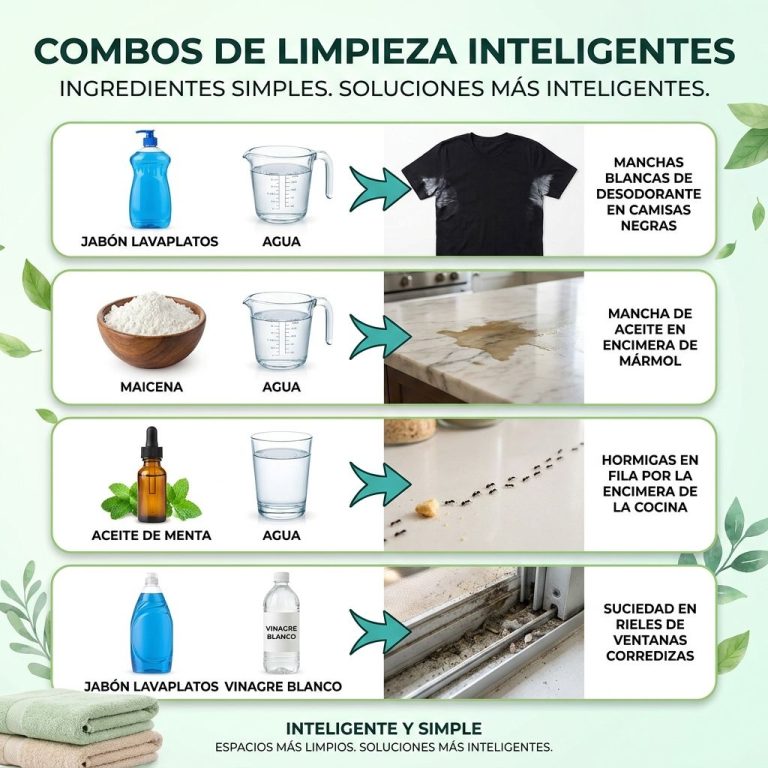
Quick Summary: DIY Cleaning Hacks
- Preparation Time: 5-10 minutes (per solution)
- Application Time: 10-30 minutes (depending on the task)
- Difficulty Level: Easy
- Best Uses: Removing specific stains (deodorant, oil), repelling pests (ants), deep cleaning neglected areas (window tracks).
- Suitable Surfaces: Varies by solution (fabric, marble, general surfaces, glass/vinyl/aluminum).
- Storage Time: Varies by solution (from immediate use to several weeks).
Why You’ll Love These DIY Solutions
- Easy to Make: All solutions require minimal effort and time to prepare.
- Budget-Friendly: Uses common, inexpensive household ingredients you likely already own.
- Uses Common Household Ingredients: No need for special trips to the store for obscure products.
- Beginner-Friendly: Step-by-step instructions are clear and simple for anyone to follow.
- Effective: These natural remedies genuinely work to solve common household problems.
- Safer Alternatives: Reduces exposure to harsh chemicals found in many commercial cleaners.
- Eco-Friendly: Less packaging waste and fewer harmful substances released into the environment.
Ingredients / Materials
For Deodorant Stain Remover:
- 1/2 cup warm water
- 1 tablespoon baking soda (not cornstarch, baking soda is more effective for this specific stain type)
- 1 teaspoon dish soap (mild, clear liquid soap recommended)
For Marble Oil Stain Remover:
- 1/4 cup baking soda
- 1-2 tablespoons hydrogen peroxide (3%)
- A few drops of mild dish soap (optional, for extra degreasing)
For Natural Ant Repellent Spray:
- 1 cup warm water
- 15-20 drops peppermint essential oil (or spearmint, tea tree oil)
For Window Track Cleaner:
- 1/2 cup white vinegar
- 1/2 cup warm water
- 1-2 tablespoons baking soda
Equipment Needed
- Small mixing bowls or containers
- Measuring cups and spoons
- Empty spray bottle (for ant repellent and window track cleaner)
- Microfiber cloths or old towels
- Old toothbrush or small stiff brush
- Sponge or scrub pad
- Rubber gloves (optional, but recommended for sensitive skin or prolonged cleaning)
Step-by-Step Instructions
1. Deodorant Stain Remover (for Clothes)
Say goodbye to those frustrating white marks!
- Prepare the Paste: In a small bowl, combine 1/2 cup warm water, 1 tablespoon baking soda, and 1 teaspoon dish soap. Mix well until it forms a thick paste. The baking soda acts as an abrasive and absorbent, while the dish soap helps break down the oils in the deodorant.
- Apply to Stain: Dampen the stained area of your fabric with a little water. Apply the paste directly onto the deodorant stain.
- Rub and Let Sit: Gently rub the paste into the fabric using your fingers or a soft brush. For best results, allow the paste to sit on the stain for at least 30 minutes, or even a few hours for stubborn marks. This allows the ingredients to penetrate and lift the stain.
- Rinse and Wash: After the waiting period, rinse the fabric thoroughly with warm water, gently scrubbing away any remaining paste. Then, wash the item as you normally would, preferably in cold water.
- Check Before Drying: Always check that the stain is completely gone before putting the garment in the dryer. Heat can set stains, making them much harder to remove later.
2. Marble Oil Stain Remover
Oil spills on marble can be tricky, but this poultice works wonders!
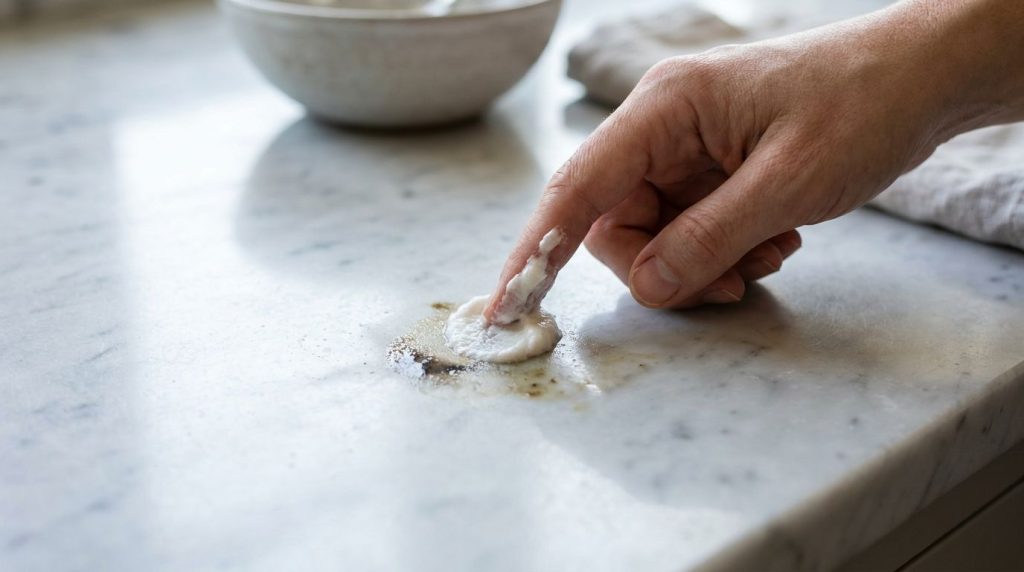
- Create the Poultice: In a small non-metal bowl, mix 1/4 cup baking soda with 1-2 tablespoons of hydrogen peroxide. Add a few drops of dish soap if the stain is particularly greasy. Stir until you have a thick, peanut-butter-like paste. Avoid metal bowls as hydrogen peroxide can react with them.
- Apply Generously: Apply a thick layer of the paste over the entire oil stain, extending slightly beyond its edges. The baking soda will absorb the oil, and the hydrogen peroxide will help break down the grease and lift the stain.
- Cover and Wait: Cover the applied paste with plastic wrap and tape the edges down to prevent it from drying out. Allow it to sit for at least 12-24 hours. The longer it sits, the more effective it will be in drawing out the oil.
- Remove and Clean: After the waiting period, remove the plastic wrap and allow the paste to dry completely. Once dry, gently scrape off the hardened poultice using a plastic scraper or an old credit card.
- Wipe and Polish: Wipe the area clean with a damp cloth, then dry and buff the marble with a clean, soft cloth. Repeat the process if the stain is not completely gone.
3. Natural Ant Repellent Spray
Keep ants away without harsh chemicals!
- Combine Ingredients: Pour 1 cup of warm water into an empty spray bottle. Add 15-20 drops of peppermint essential oil. Peppermint oil is a natural deterrent that ants dislike and disrupts their scent trails.
- Shake Well: Secure the lid and shake the bottle vigorously to ensure the essential oil is well-dispersed in the water.
- Spray Problem Areas: Spray directly onto ant trails, around windows, doorways, cracks, and any other entry points or areas where you’ve seen ants. Reapply daily or as needed, especially after wiping surfaces.
- Maintain Regular Use: Consistency is key with natural repellents. Regular application will help reinforce the barrier and keep ants from returning.
4. Window Track Cleaner
Eliminate grime from those hard-to-reach window tracks!
- Sprinkle Baking Soda: Begin by sprinkling 1-2 tablespoons of baking soda generously into your dirty window tracks. This acts as a gentle abrasive and helps to loosen dirt and grime.
- Pour Vinegar Solution: In a measuring cup or small bowl, combine 1/2 cup white vinegar and 1/2 cup warm water. Slowly pour this mixture over the baking soda in the tracks. You’ll observe a fizzing reaction as the vinegar reacts with the baking soda, which helps to lift the dirt.
- Let it Fizz: Allow the mixture to sit and fizz for 5-10 minutes. This gives the solution time to work its magic and break down hardened grime.
- Scrub the Tracks: Using an old toothbrush or a small stiff brush, vigorously scrub the window tracks. Pay attention to corners and grooves where dirt tends to accumulate.
- Wipe Away Grime: Once scrubbed, use a damp microfiber cloth or paper towels to wipe away the loosened dirt, grime, and cleaning solution. Repeat if necessary until the tracks are sparkling clean.
- Dry Thoroughly: Finish by drying the tracks completely with a clean, dry cloth to prevent water spots and inhibit mold growth.
Best Uses
- Deodorant Stain Remover: Ideal for white or yellow deodorant and antiperspirant stains on clothing, especially cotton and synthetic fabrics. Always test on an inconspicuous area first.
- Marble Oil Stain Remover: Specifically designed for oil-based stains (e.g., cooking oil, lotion, grease) on natural stone surfaces like marble, granite, and limestone. Not for use on colored or waxed surfaces without prior testing.
- Natural Ant Repellent Spray: Excellent for deterring ants from entering your home through windows, doors, and cracks, and for disrupting existing ant trails. Safe for use around most household surfaces but keep away from direct contact with pets, especially cats, as essential oils can be toxic if ingested.
- Window Track Cleaner: Perfect for deep cleaning accumulated dirt, dust, and grime from vinyl, aluminum, or wooden window tracks. Can also be used for sliding door tracks.
Safety Notes
- Always Test First: Before applying any cleaning solution to a large or visible area, always test it on a small, inconspicuous spot to ensure no discoloration or damage occurs.
- Wear Gloves: If you have sensitive skin or are cleaning for an extended period, wear rubber gloves to protect your hands.
- Ventilation is Key: When using vinegar or essential oils, ensure the area is well-ventilated to avoid inhaling strong fumes.
- Keep Away from Children and Pets: Store all cleaning solutions and ingredients out of reach of children and pets. While natural, essential oils can be harmful if ingested.
- Never Mix Bleach: Absolutely never mix vinegar or any cleaning solution containing an acid (like vinegar) with bleach or ammonia. This can create dangerous, toxic fumes.
- Essential Oils Dilution: Always dilute essential oils before use, especially when applying to surfaces that children or pets might come into contact with.
Expert Tips
- Pre-Treat Stains Promptly: The sooner you treat a stain, the easier it is to remove. Don’t let stains set in!
- Use High-Quality Essential Oils: For the ant repellent, use pure, therapeutic-grade peppermint essential oil for the best effectiveness and aroma.
- Consistency for Pest Control: With natural ant repellents, regular reapplication (daily or every other day) is crucial, especially initially, to break ant trails and deter new ones.
- Avoid Abrasive Scrubbing on Delicate Surfaces: While baking soda is a gentle abrasive, be careful not to scrub too hard on delicate surfaces like marble, as excessive force can cause scratching.
- Old Toothbrushes are Your Best Friend: Keep old toothbrushes for cleaning tricky spots like grout lines, faucet crevices, and, of course, window tracks.
- Make it a Routine: Incorporate these quick cleaning hacks into your regular routine to prevent major buildups and keep your home consistently fresh.
- Consider a Funnel: When pouring liquids into a spray bottle, a small funnel can save you from spills and waste.
- Label Your Bottles: Always label your DIY cleaning solutions clearly with their contents and date of preparation.
Storage Instructions
- Deodorant Stain Remover Paste: This paste is best made fresh for each use. If you have a small amount leftover, it can be stored in an airtight container in the refrigerator for up to 24 hours, but its effectiveness may diminish.
- Marble Oil Stain Remover Poultice: This poultice should be prepared immediately before use. Do not store excess paste, as hydrogen peroxide will lose its potency over time.
- Natural Ant Repellent Spray: Store the spray in a cool, dark place, away from direct sunlight. It will remain effective for up to 2-3 weeks. Shake well before each use. Discard if you notice any separation or change in scent.
- Window Track Cleaner: The baking soda and vinegar solution is designed for immediate use and should not be stored after mixing due to the chemical reaction. However, you can store pre-mixed white vinegar and water in a separate spray bottle for general cleaning for several months.
Frequently Asked Questions
Can I use these solutions on all surfaces?
No, each solution is tailored for specific uses. Always refer to the “Best Uses” and “Safety Notes” sections for guidance on suitable and unsuitable surfaces. For example, vinegar should be avoided on natural stone like marble or granite for prolonged periods.
How long do these homemade solutions last?
The shelf life varies. The deodorant stain paste and marble poultice are best made fresh. The ant repellent spray can last 2-3 weeks, and the window track solution is for immediate use. Always check for signs of spoilage or reduced effectiveness.
Can I substitute essential oils in the ant repellent?
Yes, while peppermint is highly effective, other essential oils like spearmint, tea tree oil, or even a blend of citrus oils can also deter ants. Always ensure they are diluted properly.
Is it safe to use these around pets?
While natural, some ingredients like essential oils can be harmful to pets if ingested. For ant repellent, spray in areas inaccessible to pets, or allow to dry completely before pets are allowed back into the area. Always consult your vet if you have concerns about specific ingredients and your pets.
What if a stain isn’t completely removed?
For stubborn stains, you might need to repeat the application process. Sometimes, very old or deeply set stains may require professional treatment. Patience and persistence are key with natural cleaning methods.
Can I use white vinegar on marble?
Generally, it’s best to avoid using undiluted white vinegar directly on marble or other natural stone surfaces, as its acidity can etch the surface over time. For the oil stain remover, a baking soda and hydrogen peroxide poultice is recommended.
Are these solutions truly eco-friendly?
Yes, by using common, non-toxic household ingredients, you significantly reduce your environmental footprint compared to using commercial cleaners that often contain synthetic fragrances, dyes, and harsh chemicals. Plus, you reduce plastic waste from product packaging.
Conclusion
Embracing DIY cleaning hacks is more than just saving money; it’s about empowering yourself with practical, effective solutions that are safer for your home, your family, and the planet. We hope these simple yet powerful recipes for tackling deodorant stains, marble oil spills, bothersome ants, and grimy window tracks inspire you to look at your pantry with a new sense of possibility.
Remember, a clean home doesn’t have to come at the cost of harsh chemicals or endless scrubbing. With a few common ingredients and a little bit of know-how, you can achieve a spotless and fresh living space. Give these hacks a try, and enjoy the satisfaction of a naturally clean home!