There’s nothing quite like walking into a clean, inviting kitchen, perhaps to grab a refreshing drink. But what happens when that pleasant moment is interrupted by an unexpected guest scampering across your countertop? Finding a mouse in your kitchen can be unsettling, unsanitary, and frankly, a little alarming. It’s a common household problem that many of us face, leading to worries about food contamination and damage to our homes.
Chemical pest control solutions can be harsh, expensive, and often come with concerns about safety for children and pets. That’s why we’re excited to share a simple, natural, and highly effective DIY mouse repellent that uses common ingredients to create a less welcoming environment for those tiny intruders. This guide is perfect for anyone looking for an eco-friendly, budget-conscious way to deter mice without resorting to traps or toxic chemicals.
In this comprehensive guide, you’ll discover how to create your own potent mouse repellent using essential oils, learn exactly where and how to apply it for maximum effectiveness, and get valuable tips on maintaining a pest-free home. Say goodbye to unwanted visitors and reclaim your kitchen with peace of mind!
Quick Summary
- Preparation Time: 5 minutes
- Application Time: 10-15 minutes (initial application)
- Difficulty Level: Easy
- Best Uses: Deterring mice from kitchens, pantries, basements, and entry points.
- Suitable Surfaces: Hard surfaces, cracks, crevices. Test on delicate surfaces first.
- Storage Time: Up to 2 weeks for the spray solution.
Why You’ll Love This DIY Solution
- Easy to Make: Requires only a few simple steps and readily available ingredients.
- Budget-Friendly: Much cheaper than professional extermination or chemical repellents.
- Uses Common Household Ingredients: You might already have everything you need!
- Beginner-Friendly: No special skills or tools required.
- Natural & Non-Toxic: A safer alternative to chemical pesticides, especially around food prep areas, children, and pets (with caution).
- Pleasant Scent: Leaves a fresh, minty aroma in your home, unlike harsh chemical smells.
- Multipurpose: Can also deter other small pests.
- Quick to Prepare: You can whip up a batch in minutes.

Ingredients / Materials
- 1 cup distilled water (filtered water can also be used)
- 15-20 drops peppermint essential oil (pure, high-quality)
- 5-10 drops eucalyptus essential oil (optional, enhances potency)
- 1 teaspoon liquid dish soap (optional, helps oil disperse in water)
Equipment Needed
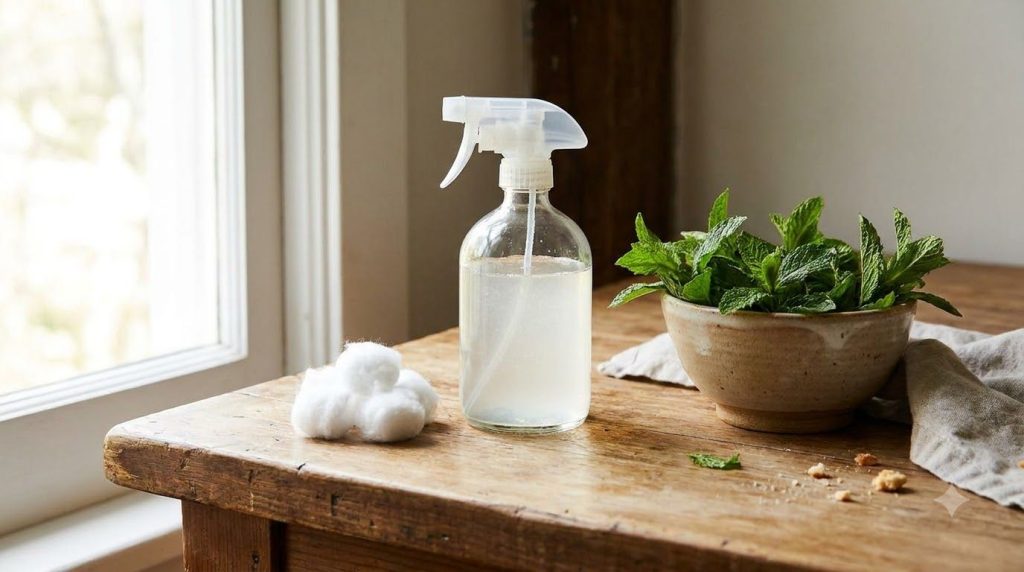
- Small spray bottle (8-12 oz, preferably glass for essential oils)
- Measuring cup
- Measuring spoons
- Funnel (optional, for easy pouring)
- Cotton balls or small pieces of cloth (for direct application)
- Gloves (optional, for sensitive skin)
Step-by-Step Instructions
Step 1: Gather Your Ingredients and Equipment
Time: 1 minute
Lay out all your ingredients and equipment on a clean surface. Ensure your spray bottle is clean and dry. This makes the mixing process smooth and efficient.
Step 2: Add Water to the Spray Bottle
Time: 30 seconds
Carefully pour 1 cup of distilled water into your spray bottle. Using distilled water helps prevent mineral buildup and extends the shelf life of your solution.
Step 3: Introduce Essential Oils
Time: 1 minute
Add 15-20 drops of peppermint essential oil to the water. If using, add 5-10 drops of eucalyptus essential oil. These oils are known for their strong scents that mice dislike. If you choose to add liquid dish soap, include 1 teaspoon now. The dish soap acts as an emulsifier, helping the oil and water mix better.
Step 4: Secure and Shake
Time: 30 seconds
Cap the spray bottle tightly and shake vigorously for about 30 seconds. This ensures that the essential oils are well distributed throughout the water, creating an effective repellent spray.
Step 5: Prepare Cotton Balls (Optional but Recommended)
Time: 1 minute
For concentrated deterrents in specific areas, you can also soak cotton balls directly with 5-10 drops of peppermint essential oil each. These can be placed in discrete locations without spraying. This step provides an alternative application method for hard-to-reach spots or areas where spraying isn’t ideal.
Best Uses
This natural mouse repellent is incredibly versatile and can be used in various areas of your home where mice might be active or attempting to enter. Remember, consistency is key!
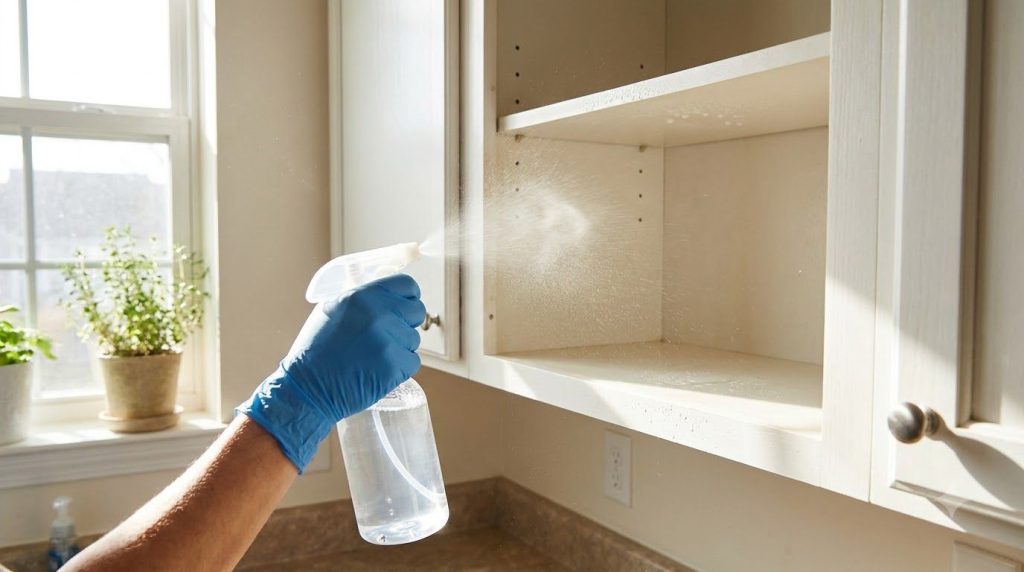
- Kitchen Counters and Cabinets: Lightly spray around the perimeter of your countertops, inside empty cabinets, and along baseboards. Avoid direct spraying on food or food preparation surfaces.
- Pantry Areas: Spray around the edges of pantry shelves and along the floor. Ensure food items are sealed in airtight containers before spraying.
- Under Sinks: A common entry point, spray generously under kitchen and bathroom sinks, paying attention to pipe openings.
- Entry Points: Spray near suspected entry points like cracks in walls, gaps around pipes, and under doors.
- Basements and Attics: For larger areas, use both the spray and strategically place essential oil-soaked cotton balls in corners, near vents, and in storage areas.
- Garages and Storage Sheds: Apply around the perimeters and near any openings to deter mice from setting up residence.
- Not Recommended For: Directly on fabrics that might stain, painted surfaces without prior testing, or areas where pets might lick the solution frequently (use cotton balls in inaccessible areas for pets).
Safety Notes
While this is a natural solution, it’s essential to use it safely and responsibly to protect yourself, your family, and your pets.
- Wear Gloves: If you have sensitive skin, consider wearing gloves when handling essential oils, as they can cause irritation.
- Test on a Small Hidden Area First: Before spraying on any visible surface, test the solution on an inconspicuous spot to ensure it doesn’t cause discoloration or damage.
- Keep Away from Children and Pets: Essential oils, especially peppermint, can be toxic to pets (especially cats) if ingested or if they come into prolonged skin contact. Always apply in areas inaccessible to children and pets, or use soaked cotton balls placed in enclosed spaces that only mice can access.
- Ensure Good Ventilation: While the scent is pleasant, strong concentrations of essential oils can be overwhelming. Ensure the area is well-ventilated during and after application.
- Do Not Ingest: This solution is for external use only and should never be ingested.
- Avoid Eye Contact: Essential oils can cause irritation if they come into contact with your eyes. Rinse immediately with plenty of water if exposure occurs.
Expert Tips
- Reapply Regularly: Essential oil scents dissipate over time. Reapply the spray every few days or once a week, especially in high-traffic areas, to maintain effectiveness. Refresh cotton balls every 3-5 days.
- Identify Entry Points: For long-term control, try to locate and seal any cracks, holes, or gaps in your walls, foundations, and around pipes that mice might be using to enter your home.
- Combine with Good Hygiene: This repellent works best as part of an overall pest management strategy. Keep your kitchen impeccably clean, wipe up crumbs immediately, store food in airtight containers, and take out trash regularly.
- Don’t Forget Ventilation: Mice are attracted to stagnant, enclosed spaces. Ensure proper ventilation in basements, attics, and crawl spaces.
- Consider Other Natural Deterrents: In addition to peppermint, some people find success with clove oil, citronella oil, or even used coffee grounds in sachets for deterring mice.
- Use Cotton Balls for Precision: For areas where spraying is difficult or might damage surfaces (e.g., inside drawers, behind appliances), use essential oil-soaked cotton balls.
- Be Patient: Natural solutions can sometimes take a little longer to show full results compared to harsh chemicals. Consistency and patience are vital.
- Store Essential Oils Properly: Keep your essential oil bottles tightly capped and away from direct sunlight and heat to preserve their potency.
Storage Instructions
To ensure your natural mouse repellent remains effective and safe, follow these storage guidelines:
- Shelf Life: The spray solution is best used within 1 to 2 weeks. After this, the essential oils may start to lose their potency when mixed with water. For cotton balls, refresh them every 3-5 days.
- Best Storage Container: Always store the solution in an opaque (dark glass is best) or amber glass spray bottle. Plastic bottles can sometimes degrade over time due to essential oils, and clear bottles expose the oils to light, reducing their effectiveness.
- Storage Location: Keep the bottle in a cool, dark place away from direct sunlight and heat. A pantry shelf or an under-sink cabinet are good options.
- Signs the Solution Should Be Discarded: If you notice the scent is significantly weaker, or if the solution appears cloudy or separates severely even after shaking, it’s time to discard it and make a fresh batch.
Frequently Asked Questions
Can I store this solution for a long time?
It’s best to use the spray solution within 1 to 2 weeks. Essential oils can lose their potency when mixed with water over extended periods. Make small batches as needed.
How often should I reapply the repellent?
For initial treatment, apply every 2-3 days for the first week. After that, once or twice a week should be sufficient to maintain a deterrent effect, or whenever you notice the scent fading.
Is this solution safe around my pets?
Use with caution, especially around cats. Peppermint essential oil can be toxic to cats if ingested or absorbed through the skin. Apply in areas inaccessible to pets, or use essential oil-soaked cotton balls placed inside sealed containers or behind furniture where pets cannot reach them. Always consult your vet if you have concerns.
Can I use other essential oils?
Yes, besides peppermint and eucalyptus, essential oils like clove, citronella, and cedarwood are also known to deter mice. You can experiment with different combinations, but always prioritize safety, especially around pets.
Will this solution kill mice?
No, this solution is a repellent, not a killer. It works by overwhelming the mice’s sensitive sense of smell, making the treated areas undesirable to them, thus encouraging them to leave.
What if the problem persists?
If you have a severe mouse infestation, this natural repellent may not be enough on its own. It’s crucial to identify and seal all entry points, maintain excellent hygiene, and consider professional pest control if the issue continues.
Can I use it on food preparation surfaces?
Avoid directly spraying on surfaces where food is prepared. For these areas, wipe down surfaces with a diluted solution or a clean cloth dampened with the repellent, and then wipe again with plain water before preparing food.
Does it stain surfaces?
Generally, this solution does not stain, especially on hard, non-porous surfaces. However, it’s always recommended to test it on a small, hidden area first, especially on painted wood or delicate finishes.
Conclusion
Dealing with unwanted guests like mice in your kitchen can be a real hassle, but it doesn’t have to involve harsh chemicals or expensive solutions. By harnessing the power of nature, you can create an effective and pleasant-smelling deterrent right at home. This DIY natural mouse repellent offers a simple, budget-friendly, and eco-conscious way to keep your living spaces pest-free, allowing you to enjoy your home with greater peace of mind.
Remember, consistency in application, combined with good household hygiene and sealing potential entry points, will give you the best results. Give this natural solution a try and take a proactive step towards a cleaner, more inviting home for everyone—except, of course, those little critters. Happy cleaning, and here’s to a pest-free home!