Welcome, fellow garden enthusiasts! If you’ve ever admired a beautifully shaped shrub or a fruit tree laden with juicy produce, chances are, skillful pruning played a big role. Pruning is more than just snipping away branches; it’s an art and a science that, when done correctly, can dramatically improve the health, vigor, and appearance of your plants. Today, we’re diving deep into the essential pruning cuts that protect plant health, ensuring your garden thrives for years to come.
Many gardeners feel intimidated by pruning, fearing they might harm their beloved plants. But with the right knowledge and techniques, you’ll gain confidence and see incredible results. Think of pruning as giving your plants a haircut – it helps them look their best, removes dead or unhealthy parts, and encourages new growth.
Why Pruning is Essential for Plant Health
Before we get into the ‘how-to,’ let’s understand the ‘why.’ Pruning offers a multitude of benefits:
- Promotes Stronger Growth: Removing weak or crowded branches allows the plant to focus energy on developing stronger, healthier stems and leaves.
- Improves Air Circulation and Light Penetration: Thinning out dense foliage helps air move freely through the plant, reducing the risk of fungal diseases. More light also reaches inner branches, stimulating fruit and flower production.
- Removes Dead or Diseased Wood: This is crucial for preventing the spread of diseases and pests. Dead wood can also be an entry point for pathogens.
- Enhances Plant Shape and Structure: Pruning helps maintain a desirable size and shape, which is especially important for ornamental plants and for managing growth in confined spaces.
- Boosts Fruit and Flower Production: By removing old or unproductive wood, you encourage the plant to produce more flowers and fruits on newer, more vigorous growth.
Key Pruning Cuts and Techniques You Should Know
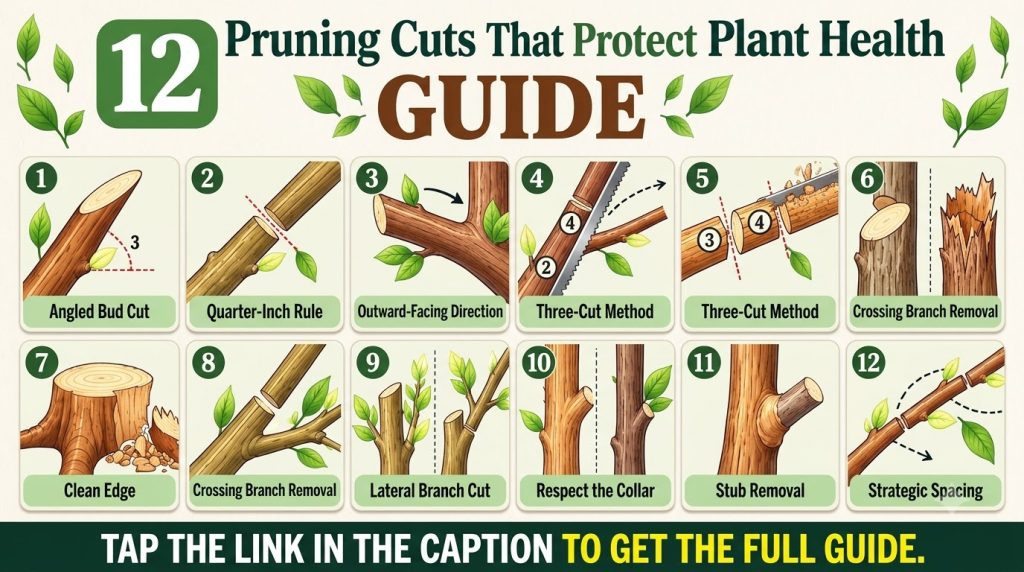
While there are many specific cuts, understanding a few core principles will set you on the path to becoming a pruning pro. Here are some fundamental techniques:
1. The Thinning Cut
A thinning cut involves removing an entire branch back to its point of origin (another branch, the main stem, or the ground). This type of cut opens up the plant’s canopy, improves air circulation, and allows more light to penetrate without stimulating excessive new growth. It’s ideal for reducing overall plant size and density.
2. The Heading Cut
Unlike a thinning cut, a heading cut involves shortening a branch by cutting it back to a lateral bud or branch. This encourages bushier growth and can be used to control the direction of growth or to create a denser canopy. Heading cuts stimulate new growth near the cut, often resulting in a flush of shoots.
3. Removing Dead, Diseased, or Damaged (3 D’s) Branches
This is perhaps the most important pruning cut for plant health. Always prioritize removing any branches that are dead, show signs of disease (like cankers or unusual discoloration), or are physically damaged. Make your cut into healthy wood, ensuring you don’t leave any infected material behind. Sterilize your tools between cuts if you suspect disease to prevent its spread.
4. Crotch Angle Pruning (Narrow Angles)
Branches that grow at a very narrow angle to the main stem are often weak and prone to splitting, especially under the weight of fruit or snow. Pruning these out when the plant is young can prevent future structural problems. Aim to encourage branches that grow at wider, stronger angles.
5. Removing Suckers and Water Sprouts
Suckers are vigorous shoots that emerge from the base of the plant or its roots, while water sprouts are similar shoots that grow vertically from existing branches, often from latent buds. Both consume valuable energy that could otherwise go into fruit or flower production. It’s best to remove them close to their origin.
Tools and Timing for Successful Pruning
Having the right tools is just as important as knowing the right cuts. Invest in sharp, clean pruning shears (hand pruners), loppers for thicker branches, and a pruning saw for larger limbs. Always clean your tools with rubbing alcohol or a bleach solution before and after use to prevent the spread of diseases.
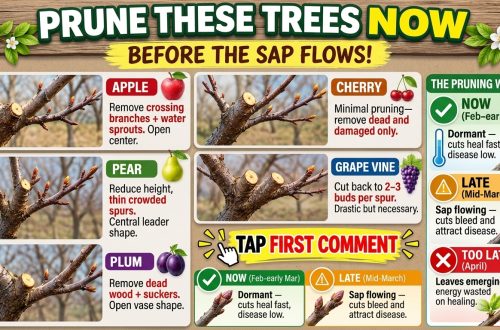
The best time to prune depends on the plant type. For most deciduous trees and shrubs, late winter or early spring (when the plant is dormant) is ideal, as the absence of leaves makes it easier to see the plant’s structure and cuts heal quickly when growth resumes. For flowering shrubs, timing is crucial: prune spring-flowering plants after they bloom, and summer-flowering plants in late winter/early spring.
General Pruning Tips for a Thriving Garden
- Start Small: When in doubt, take less. You can always remove more, but you can’t put it back.
- Make Clean Cuts: Use sharp tools to make clean, precise cuts that heal quickly. Avoid leaving jagged edges.
- Prune for a Purpose: Always have a reason for each cut you make, whether it’s for health, shape, or production.
- Step Back and Observe: Periodically step away from the plant to assess its overall shape and identify areas that need attention.
- Don’t Over-Prune: Removing too much foliage at once can stress the plant. A general rule of thumb is to remove no more than 25-30% of the plant’s total canopy in one season.
Mastering the art of pruning takes practice, but the rewards are well worth the effort. A well-pruned garden is not only more beautiful but also healthier, more productive, and more resilient. So grab your pruners, step outside, and start shaping your garden into the vibrant oasis you’ve always dreamed of!