Master the Art of Pruning for a Thriving Garden
Welcome, fellow garden lovers! Pruning might seem intimidating at first, but it’s one of the most vital tasks for maintaining the health, vigor, and beauty of your plants. Far from just a haircut, strategic pruning encourages new growth, improves air circulation, and helps your plants ward off diseases and pests. It’s an essential skill that transforms a good garden into a truly spectacular one.
Whether you’re tending to ornamental shrubs, fruit trees, or flowering perennials, understanding the basics of pruning will empower you to cultivate a garden that thrives season after season. Let’s dive into the essential techniques that protect plant health and unlock their full potential.
Why Pruning is Crucial for Plant Health
Think of pruning as preventative medicine and a growth stimulant for your garden. Here’s why it’s so important:
- Removes Dead or Diseased Wood: This prevents the spread of pathogens and pests, keeping the entire plant healthier.
- Improves Air Circulation: By thinning out dense growth, air can flow more freely, reducing humidity and fungal issues.
- Encourages New Growth and Flowering/Fruiting: Pruning can direct the plant’s energy to produce more flowers or fruit, or to develop a stronger structure.
- Shapes Plants: It helps maintain a desirable size and shape, which is especially important for garden aesthetics and managing space.
- Rejuvenates Old Plants: Hard pruning can breathe new life into overgrown or neglected plants.
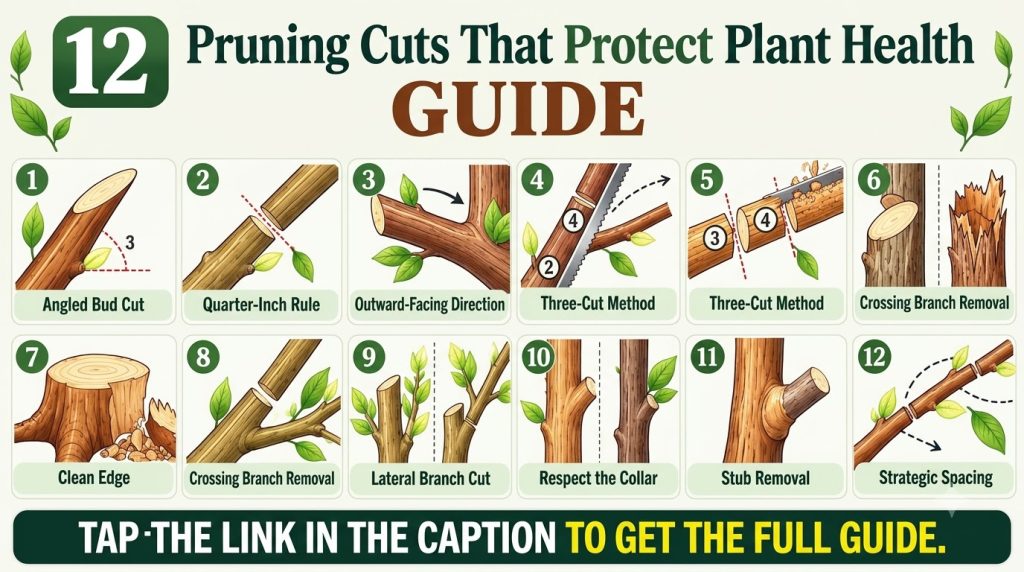
Essential Pruning Cuts to Master
While there are many specific techniques, most pruning falls into a few key categories. Understanding these cuts is the first step:
1. The Thinning Cut
A thinning cut involves removing an entire branch back to its point of origin (another branch, the main stem, or the ground). This helps to open up the plant, reduce overall size, and encourage air circulation without stimulating excessive new growth at the cut point. It’s excellent for reducing density and maintaining a natural shape.
2. The Heading Cut
Heading cuts involve shortening a branch or stem back to a bud, side branch, or node. This type of cut stimulates growth directly behind the cut, creating a denser, bushier plant. It’s often used to encourage branching, improve plant shape, or control height. Always cut just above an outward-facing bud to encourage growth away from the plant’s center.
3. Removing Dead, Damaged, or Diseased Branches
This is perhaps the most important pruning task. Dead wood is brittle and can harbor pests and diseases. Damaged branches are weak points. Diseased branches can spread infection. Always cut back into healthy wood, ensuring you make a clean cut to prevent further problems. Sterilize your tools between cuts if dealing with diseased material.
4. Crossing or Rubbing Branches
Branches that rub against each other can create wounds, making the plant susceptible to pests and diseases. Identify these branches and remove the weaker or less ideally placed one to prevent future damage and improve the plant’s overall structure.
5. Water Sprouts and Suckers
Water sprouts are vigorous, upright shoots that grow from the main branches or trunk. Suckers are similar but emerge from the plant’s base or roots. Both are typically removed as they divert energy from more desirable growth and can weaken the plant. Cut them flush with the stem or ground.
Tools of the Trade
Having the right tools is just as important as knowing the cuts:
- Hand Pruners (Bypass or Anvil): For branches up to ¾ inch thick. Bypass pruners offer a cleaner cut, ideal for live wood.
- Loppers: For branches up to 1½ to 2 inches thick, providing more leverage for larger cuts.
- Pruning Saw: For thicker branches that loppers can’t handle.
- Gloves: To protect your hands from thorns, sap, and blisters.
- Sharpening Stone/Tool: Keep your blades sharp for clean cuts that heal quickly.
Always ensure your tools are clean and sharp before you start. Dull or dirty tools can tear stems, making them more vulnerable to disease.
Timing is Everything
The best time to prune varies greatly depending on the plant. Generally:
- Deciduous Trees and Shrubs: Often pruned in late winter or early spring while dormant, before new growth begins.
- Spring-Flowering Shrubs: Prune immediately after they finish flowering, as they set their buds on old wood.
- Summer-Flowering Shrubs: Prune in late winter or early spring, as they bloom on new wood.
- Evergreens: Light pruning can be done almost anytime, but major shaping is often best in late winter or early spring.
Always research the specific needs of your plants, as timing can significantly impact their flowering and fruiting cycles.
Embrace the Pruning Journey
Pruning is an ongoing dialogue with your garden. By understanding these essential techniques, you’ll not only protect your plants but also encourage them to flourish, bringing more beauty and bounty to your outdoor space. Don’t be afraid to start small, observe how your plants respond, and learn with every snip. Happy gardening!