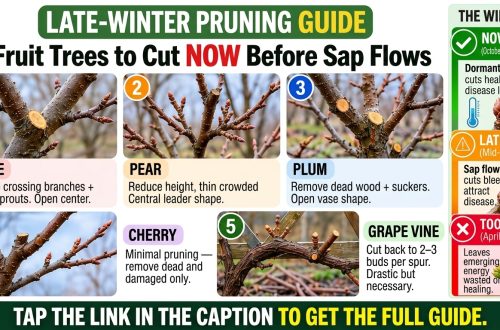
Welcome back, gardening friends! If you’re anything like us, you cherish the bounty your fruit trees provide. There’s nothing quite like harvesting fresh, delicious fruit from your own backyard. But once the harvest baskets are full, many gardeners wonder what’s next. The answer is often: pruning! Post-harvest pruning is a crucial step for maintaining the health, vigor, and future productivity of your beloved fruit trees.
It might seem counter-intuitive to start cutting branches right after all that hard work, but trust us, it’s one of the best things you can do for your orchard. This guide will walk you through the ‘whys’ and ‘hows’ of post-harvest pruning, helping you ensure healthier, more abundant harvests for years to come.
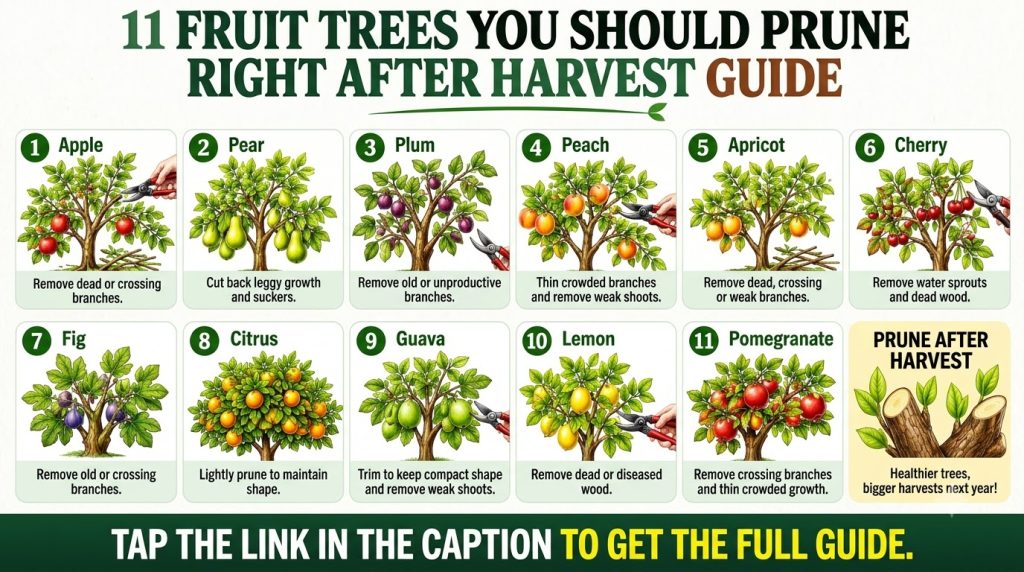
Why Prune Fruit Trees After Harvest?
Pruning is often seen as a daunting task, but understanding its purpose can make it much more approachable. When you prune your fruit trees right after they’ve finished producing fruit for the season, you’re not just tidying up; you’re actively investing in their future.
- Improved Air Circulation and Sunlight Penetration: Removing dense growth allows better air movement through the canopy, which helps prevent fungal diseases. More sunlight reaching inner branches promotes better fruit development in the following season.
- Disease and Pest Control: This is an excellent time to identify and remove any diseased, damaged, or pest-infested branches. By getting rid of these problems promptly, you prevent them from spreading and weakening the tree.
- Shape and Structure: Post-harvest pruning allows you to maintain the desired shape and size of your tree, making future harvests easier and ensuring structural integrity. You can also correct any awkward growth patterns.
- Stimulate New Growth: For many fruit trees, pruning encourages the development of new fruiting wood. By removing older, less productive branches, you direct the tree’s energy into generating fresh, vigorous growth that will bear fruit next season.
- Prevent Overbearing: While a heavy harvest is wonderful, some trees can overbear, leading to smaller, less flavorful fruits and stressing the tree. Strategic pruning can help manage the crop load for better quality fruit.
Essential Pruning Tools
Before you begin, make sure you have the right tools, and that they are clean and sharp. Sharp tools make clean cuts, which heal faster and reduce the risk of disease. Here’s what you might need:
- Hand Pruners: For small branches (up to 3/4 inch thick).
- Loppers: For thicker branches (up to 1 1/2 inches thick).
- Pruning Saw: For larger branches (over 1 1/2 inches thick).
- Gloves: To protect your hands.
General Principles for Post-Harvest Pruning
While specific techniques vary by tree type, some universal rules apply:
- Remove the “3 D’s”: Dead, Diseased, and Damaged branches. These are always the first to go.
- Eliminate Crossing Branches: Branches that rub against each other can create wounds, inviting pests and diseases. Choose the stronger, better-positioned branch to keep.
- Open Up the Canopy: Aim for a structure that allows light and air to penetrate the center of the tree. Remove any branches growing inwards or excessively dense growth.
- Manage Water Sprouts and Suckers: These are vigorous, vertical shoots that don’t typically bear fruit and drain the tree’s energy. Remove them from the trunk or base of the tree.
- Make Clean Cuts: Cut just above an outward-facing bud or branch collar (the slightly swollen area at the base of a branch). Avoid leaving stubs.
Fruit Trees That Love Post-Harvest Pruning
Many fruit trees benefit from a good trim after they’ve given their all. Here are some common examples:
Stone Fruits (Peaches, Plums, Cherries, Apricots)
These trees are often best pruned immediately after harvest during their dormant season (late summer to early fall, depending on your climate). Pruning them in late winter can make them more susceptible to certain diseases. Focus on removing old, unproductive wood and opening up the canopy for better light penetration next season.
Citrus Trees (Lemons, Oranges, Limes, Grapefruits)
Citrus trees are generally pruned after their fruiting cycle is complete, typically in late winter or early spring, or after a major harvest. This helps maintain shape, remove dead or crossing branches, and encourage new growth. Avoid heavy pruning during their main blooming or fruiting periods.
Pome Fruits (Apples, Pears)
While heavy dormant pruning is common for apples and pears, light summer pruning after harvest can be very beneficial. This includes removing water sprouts, suckers, and any branches that are shading developing fruit or interfering with good air circulation. It helps balance vigor and fruit production.
Fig Trees
Figs respond well to pruning after their main crop, usually in late summer or early fall. This can help manage their often vigorous growth, encourage branching, and improve fruit quality by allowing more sunlight to ripen the figs.
Post-Pruning Care
After pruning, your trees will need a little care to help them recover and prepare for the next season. Ensure they receive adequate water, especially if your region is experiencing dry conditions. You can also consider a light feeding with a balanced fertilizer if your soil needs enrichment, but generally, pruning itself is a significant energizer for the tree.
Embrace the Pruning Process!
Pruning your fruit trees after harvest is a rewarding practice that ensures a continuous cycle of healthy growth and abundant yields. Don’t be afraid to make those cuts; with each snip, you’re guiding your tree towards a stronger, more fruitful future. Happy gardening!