Are you looking for an eco-friendly way to boost your garden’s health and keep pests at bay? Look no further! Embracing sustainable practices in your garden is not only good for the environment but also incredibly rewarding. Today, we’re diving into the wonderful world of DIY citrus enzymes – a natural, homemade solution that can transform your plants and soil.
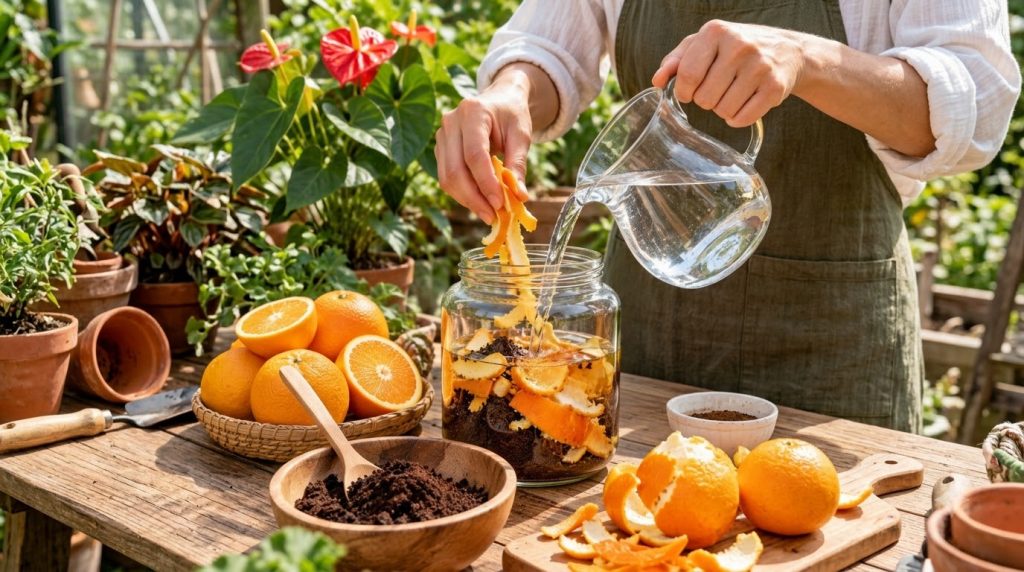
Citrus enzymes are powerful liquids fermented from fruit peels, brown sugar, and water. They are packed with beneficial microbes that can act as a natural fertilizer, soil conditioner, and even a mild pest repellent. Best of all, they utilize kitchen waste, making your gardening even more sustainable!
What is a DIY Citrus Enzyme?
Often referred to as ‘eco-enzymes,’ these concoctions are made through a simple fermentation process. When citrus peels (or other fruit and vegetable scraps) are combined with sugar and water, beneficial microorganisms break down the organic matter. This process creates a nutrient-rich liquid that can be safely used in various ways around your home and, most importantly, in your garden!
Benefits for Your Garden
- Natural Fertilizer: The enzymes provide essential nutrients to your plants, promoting healthier growth and more vibrant blooms.
- Soil Conditioner: They improve soil structure, increasing aeration and water retention, which creates a better environment for roots.
- Pest Deterrent: The natural acidity and compounds can help deter common garden pests without resorting to harsh chemicals.
- Odor Eliminator: Can be used to neutralize unpleasant smells in compost bins or garden areas.
- Eco-Friendly: Reduces kitchen waste and reliance on synthetic garden products.
DIY Orange Peel & Coffee Ground Enzyme Cleaner Recipe
This recipe incorporates coffee grounds, which add an extra boost of nitrogen and other trace minerals to your enzyme, making it even more beneficial for your plants.
What You’ll Need:
- Citrus Peels: Approximately 1 part (e.g., 300g of orange, lemon, grapefruit, or mandarin peels).
- Brown Sugar or Molasses: 1 part (e.g., 100g). Molasses is particularly good for fermentation.
- Coffee Grounds: 1 part (e.g., 300g). Used coffee grounds work perfectly!
- Water: 10 parts (e.g., 1 liter). Use unchlorinated water if possible.
- Airtight Plastic Container: A clean plastic bottle or jar with a tight-fitting lid (not glass, as pressure can build up). Make sure it has enough space for air at the top.
Step-by-Step Instructions:
- Prepare Your Ingredients: Roughly chop your citrus peels into smaller pieces.
- Combine in Container: Add the brown sugar (or molasses), coffee grounds, and citrus peels into your plastic container.
- Add Water: Pour in the water, making sure to leave about 20-30% of the container empty to allow for gas build-up during fermentation.
- Mix Gently: Stir the ingredients lightly to ensure the sugar dissolves somewhat.
- Seal and Store: Close the container tightly. Place it in a cool, dark, and well-ventilated area away from direct sunlight.
- Release Gas Regularly: For the first month, gently open the lid once every day or two to release the gas produced during fermentation. You’ll hear a ‘hiss’ sound. This prevents the container from bursting. After the first month, you can reduce this to once a week.
- Wait Patiently: The fermentation process typically takes a minimum of three months. You’ll know it’s ready when the liquid has a pleasant, slightly citrusy, vinegary smell, and the solid materials have settled at the bottom. The color will likely be a dark amber or brown.
- Strain and Store: Once ready, strain the liquid using a sieve or cheesecloth to separate the enzyme liquid from the solid residue. You can compost the residue. Store the finished enzyme in clean, airtight bottles.
Tips for Success:
- Don’t Use Too Much Sugar: The 1:3:10 ratio (sugar:peels/coffee:water) is crucial. Too much sugar can inhibit fermentation.
- Avoid Direct Sunlight: Heat and direct light can hinder the fermentation process.
- Label Your Container: Write down the date you started the enzyme so you know when it will be ready.
- Don’t Be Afraid of White Mold: A thin layer of white mold on top is usually a sign of good fermentation. Black or green mold, however, means something went wrong, and it’s best to discard and restart.
How to Use Your Citrus Enzyme in the Garden
Once your citrus enzyme is ready, you can start using its amazing benefits:
- Foliar Spray: Dilute 1 part enzyme with 500-1000 parts water (e.g., 10ml enzyme in 5-10 liters of water) and spray on plant leaves. This can help deter soft-bodied pests and provide nutrients.
- Soil Drench: Use a similar dilution and water your plants at the base. It will enrich the soil and encourage healthy root growth.
- Compost Accelerator: Pour a diluted enzyme solution over your compost pile to speed up decomposition and add beneficial microbes.
- General Garden Cleaner: Use a more concentrated solution (e.g., 1:100 dilution) to clean gardening tools or garden surfaces.
Making your own citrus enzyme is a rewarding step towards a more sustainable and vibrant garden. It’s a simple process that turns kitchen waste into a powerful elixir for your plants. Give it a try, and watch your garden thrive with this natural, homemade goodness!

