Ah, the joys of gardening! Fresh herbs, vibrant flowers, juicy vegetables – there’s nothing quite like nurturing life in your own backyard. But every gardener, from novice to seasoned pro, eventually encounters a common foe: garden pests. These tiny invaders can turn your green dreams into a disheartening struggle, leaving behind chewed leaves, stunted growth, and damaged harvests.
Don’t despair! The secret to a thriving garden isn’t about eliminating every bug – it’s about understanding which ones are harmful, how to identify them, and how to control them naturally. This ultimate guide will equip you with the knowledge to protect your plants and keep your garden flourishing without resorting to harsh chemicals.
Why Pest Identification is Your First Line of Defense
Before you can tackle a pest problem, you need to know who you’re dealing with. Different pests require different approaches, and misidentification can lead to ineffective treatments or even harm to beneficial insects. Knowing your enemy helps you choose the most targeted and eco-friendly solution, saving you time, effort, and your precious plants.
Meet the Common Garden Invaders (and Their Tell-Tale Signs)
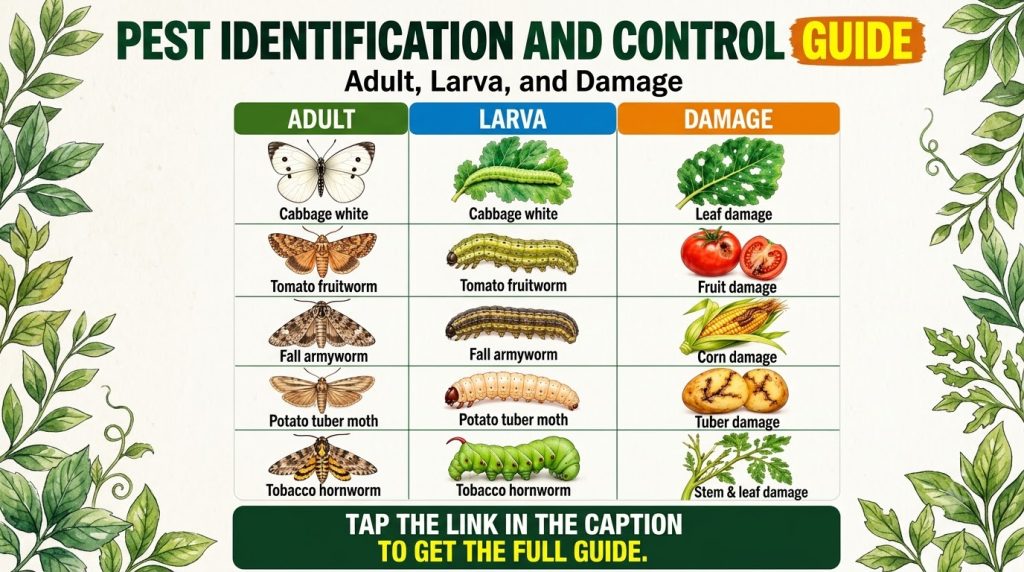
Garden pests come in many shapes and sizes, each leaving unique clues about their presence. Here are some of the most common types you might encounter:
1. Chewing Pests: The Leaf Eaters
- Caterpillars & Grubs: These are the larvae of moths, butterflies, and beetles. You’ll often find them munching on leaves, creating irregular holes, or even devouring entire plants. Look for their droppings (frass) – tiny black pellets – as a sign of their activity. Think of the damage to cabbage leaves or corn kernels.
- Slugs & Snails: They leave silvery slime trails and large, ragged holes in leaves, especially on hostas, lettuce, and tender seedlings. They’re most active at night or during damp weather.
- Beetles: Japanese beetles and cucumber beetles are notorious for skeletonizing leaves, eating flowers, or damaging fruits.
2. Sucking Pests: The Sap Stealers
- Aphids: Tiny, pear-shaped insects that cluster on new growth, leaf undersides, and flower buds. They suck plant sap, causing leaves to curl, yellow, or become distorted. They also excrete a sticky substance called honeydew, which can lead to sooty mold.
- Spider Mites: Almost invisible to the naked eye, these pests cause stippling (tiny yellow or white dots) on leaves. In severe infestations, you might see fine webbing on the plant.
- Whiteflies: Small, white, moth-like insects that fly up in a cloud when disturbed from the undersides of leaves. They also produce honeydew.
3. Boring Pests: The Tunnel Makers
- Tomato Hornworms: Large, green caterpillars with a “horn” on their rear. They can strip a tomato plant of its leaves almost overnight. Look for large areas of defoliation and big green droppings.
- Corn Borers: These larvae tunnel into corn stalks and ears, causing wilting and damage to the kernels.
Natural Pest Control Strategies: Keeping Your Garden Happy & Healthy
Once you’ve identified your unwelcome guests, it’s time to act! Here are some effective, natural ways to manage garden pests:
1. Prevention is Key
- Healthy Plants: Strong, healthy plants are more resilient to pest attacks. Ensure good soil, proper watering, and adequate sunlight.
- Companion Planting: Some plants deter pests while others attract beneficial insects. Marigolds can repel nematodes, while dill and cilantro attract predatory wasps.
- Crop Rotation: Don’t plant the same crop in the same spot year after year. This confuses pests and breaks their life cycles.
- Cleanliness: Remove weeds and plant debris, which can harbor pests and their eggs.
2. Manual Removal & Physical Barriers
- Hand-Picking: For larger pests like hornworms or slugs, simply pick them off your plants and drop them into a bucket of soapy water.
- Strong Water Spray: A forceful jet of water can dislodge aphids and spider mites from leaves.
- Row Covers: Lightweight fabric covers can physically protect seedlings and vulnerable plants from flying insects.
The Magic of Natural Garlic Spray for Garden Pests
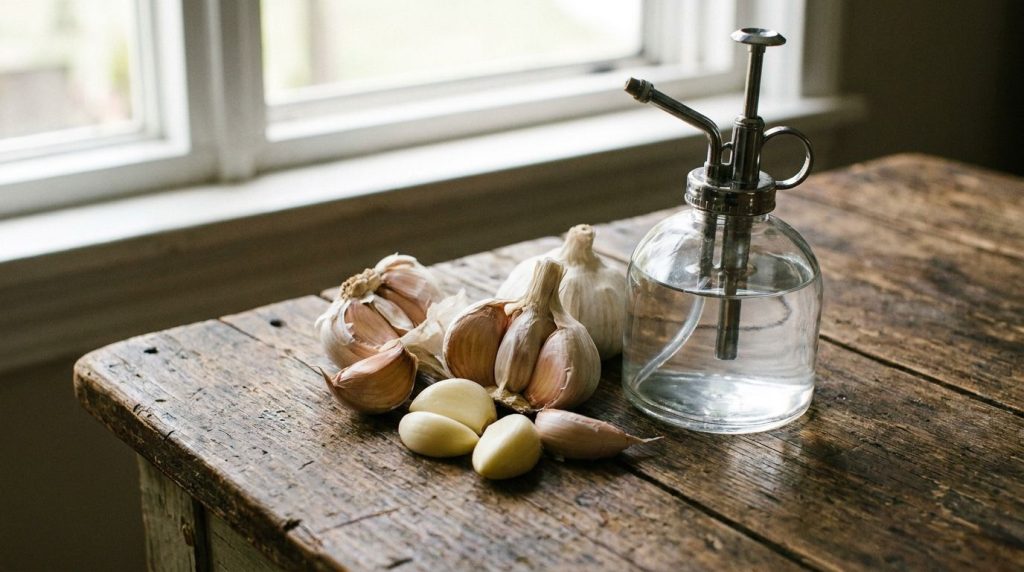
Garlic isn’t just great for cooking; it’s also a powerful natural pesticide! Its strong scent and sulfur compounds act as a deterrent to many common garden pests without harming beneficial insects or the environment. It can repel aphids, whiteflies, cabbage loopers, spider mites, and even some slugs and snails.
Step-by-Step: Making Your Own Garlic Pest Spray
This recipe is simple, effective, and uses ingredients you likely already have at home.
Ingredients:
- 1 whole head of garlic (about 10-12 cloves), peeled and crushed
- 1 teaspoon liquid dish soap (mild, biodegradable, and free of degreasers/bleach is best)
- 1 quart (about 1 liter) of water
Instructions:
- Prepare the Garlic: Peel and crush the garlic cloves. You can use a garlic press or finely chop them.
- Soak the Garlic: Place the crushed garlic in a jar or bowl and add 1 cup of hot (not boiling) water. Let it steep for at least 12-24 hours. The longer it steeps, the stronger the solution.
- Strain the Concentrate: After steeping, strain the garlic mixture through a fine-mesh sieve or cheesecloth to remove all garlic solids. You should have a potent garlic concentrate.
- Dilute and Add Soap: Pour the garlic concentrate into a spray bottle. Add the remaining 3 cups of water and the teaspoon of liquid dish soap. The soap acts as a “sticker” to help the spray adhere to plant leaves.
- Shake Well: Secure the lid and shake the spray bottle vigorously to mix everything thoroughly.
How to Apply:
- Test First: Always test the spray on a small, inconspicuous part of your plant first, especially if it’s a new or sensitive plant, to ensure there’s no adverse reaction. Wait 24 hours.
- Spray Thoroughly: Apply the spray to all affected plant surfaces, including the undersides of leaves, where many pests hide.
- Timing: Spray in the early morning or late evening to avoid scorching leaves in direct sunlight and to minimize impact on beneficial insects that are more active during the day.
- Frequency: Reapply every 5-7 days, or after rain, until the pest problem is under control.
Beyond Garlic: Other Natural Remedies
While garlic spray is a fantastic tool, other natural solutions can complement your pest management strategy:
- Neem Oil: A powerful organic pesticide derived from the neem tree. It disrupts insect feeding and growth.
- Insecticidal Soap: Works by dissolving the protective outer layer of soft-bodied insects like aphids and whiteflies.
- Attracting Beneficial Insects: Plant flowers like cosmos, sunflowers, and yarrow to attract ladybugs, lacewings, and predatory wasps – nature’s own pest control squad!
Cultivate a Thriving, Pest-Free Garden!
Gardening is an ongoing learning process, and dealing with pests is just another part of the journey. By understanding your garden’s ecosystem, learning to identify common pests, and employing natural, proactive strategies like our homemade garlic spray, you can cultivate a beautiful, healthy garden that thrives season after season. Happy gardening!