Your gut microbes thrive on variety! Understanding the role of prebiotics in your diet is a powerful step toward supporting a flourishing internal ecosystem. These special types of dietary fiber act as food for the beneficial bacteria in your gut, helping them grow and contributing to overall digestive wellness.
In this guide, we’ll explore 10 delicious and accessible prebiotic-rich foods that can help nourish your gut microbes and support your digestive health. From common kitchen staples to versatile ingredients, you’ll discover how easy it is to incorporate more prebiotics into your daily meals.
What are Prebiotics and Why Does Your Gut Love Them?
Prebiotics are non-digestible components of food that selectively stimulate the growth and activity of beneficial bacteria in your colon. Unlike probiotics, which introduce live bacteria to your gut, prebiotics feed the good bacteria already present, helping them multiply and produce short-chain fatty acids (SCFAs) like butyrate, which are crucial for gut lining health and immune function.
These specialized fibers are vital for maintaining a balanced gut microbiome, which in turn can influence everything from digestion and nutrient absorption to mood and immunity. Incorporating a variety of prebiotic sources ensures your gut bacteria receive diverse ‘fuel’ to thrive.
10 Prebiotic-Rich Foods to Add to Your Diet
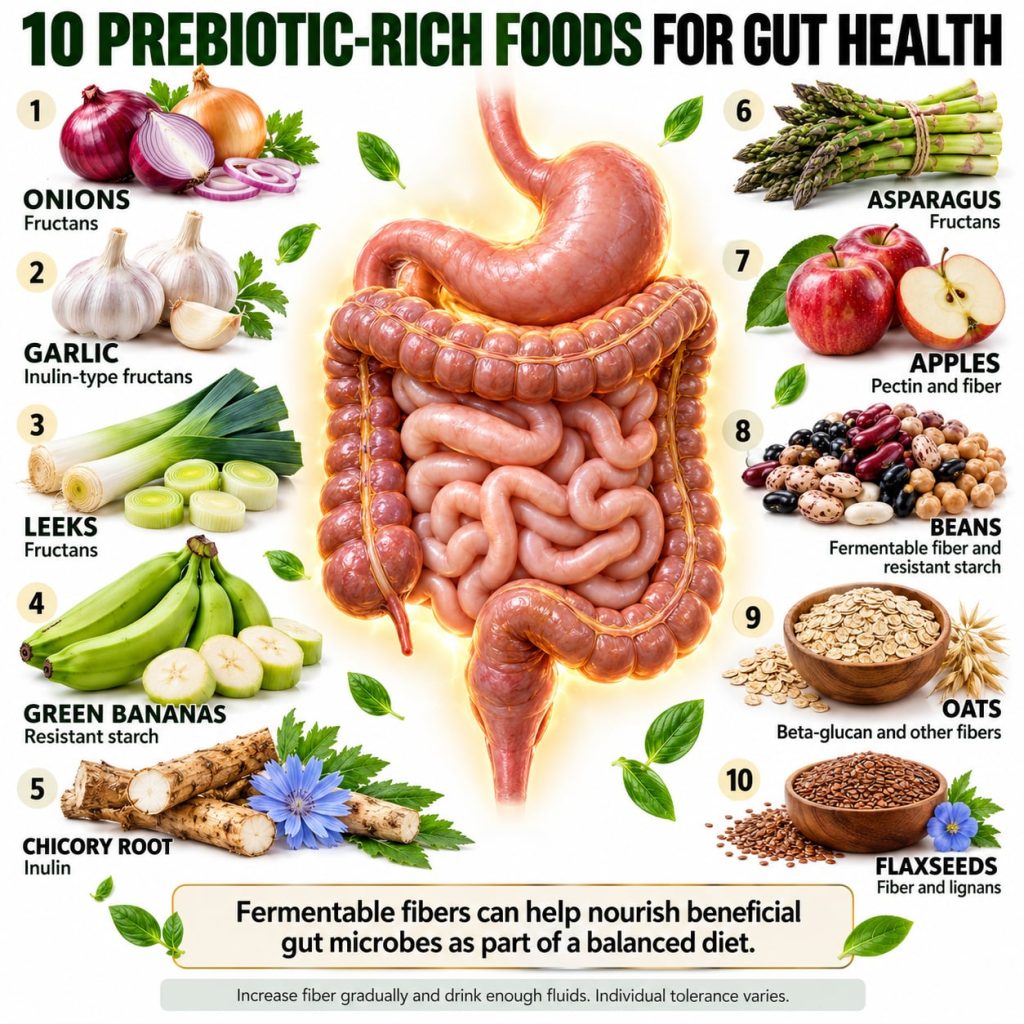
Here are 10 fantastic foods that can provide your gut with the prebiotics it craves:
1. Onions, Garlic, & Leeks: The Allium Powerhouses
This flavorful trio belongs to the allium family and is packed with fructans, a type of prebiotic fiber. Fructans bypass digestion in the upper gastrointestinal tract and reach the large intestine intact, where they are fermented by beneficial bacteria. Including these in your cooking not only enhances flavor but also delivers a significant gut-health boost.
- How to enjoy: Sautéed in stir-fries, roasted with vegetables, added to soups and stews, or finely chopped in salads.
2. Green Bananas: The Resistant Starch Heroes
Unlike ripe yellow bananas, green (unripe) bananas are high in resistant starch. This type of starch resists digestion in the small intestine, acting much like fiber. When it reaches the large intestine, it becomes a potent food source for good gut bacteria, supporting a healthy microbial balance.
- How to enjoy: Blended into smoothies (the flavor is quite neutral), used in savory dishes (like plantain, a close relative), or even grated raw into salads.
3. Apples: A Fiber-Filled Favorite
Apples are an excellent source of various fibers, including pectin. Pectin is a soluble fiber that ferments in the colon, producing beneficial short-chain fatty acids. This makes apples a simple yet effective way to support your gut microbiome and overall digestive regularity.
- How to enjoy: Eaten whole as a snack, sliced into salads, baked into oatmeal, or simmered into a gut-friendly compote.
4. Oats: More Than Just a Breakfast Staple
Whole grain oats are renowned for their beta-glucan fiber, a soluble fiber with significant prebiotic properties. Beta-glucans have been shown to support the growth of beneficial bacteria, contribute to a feeling of fullness, and may help manage cholesterol levels.
- How to enjoy: As overnight oats, in a warm bowl of oatmeal, blended into smoothies, or as a binding agent in homemade energy bars.
5. Beans: Legumes for a Happy Gut
Beans, including black beans, kidney beans, chickpeas, and lentils, are powerhouses of fiber and resistant starch. Their complex carbohydrates feed beneficial gut bacteria, promoting a diverse and robust microbiome. Regular consumption of beans can also contribute to heart health and stable blood sugar levels.
- How to enjoy: Added to chili, soups, salads, dips like hummus, or as a plant-based protein in main dishes.
6. Flaxseeds: Tiny Seeds, Big Benefits
Flaxseeds are small but mighty when it comes to gut health. They contain both soluble and insoluble fiber, including lignans and mucilage, which provide food for gut bacteria and support regular bowel movements. For optimal absorption of their omega-3 fatty acids, it’s best to consume them ground.
- How to enjoy: Sprinkled over oatmeal, yogurt, or salads; blended into smoothies; or used in baking.
7. Asparagus: Spring into Gut Health
Asparagus is a delicious vegetable rich in inulin, a type of fructan that acts as a potent prebiotic. Inulin helps to stimulate the growth of beneficial bifidobacteria and lactobacilli, contributing to a healthy gut environment. It’s a fantastic seasonal addition to your prebiotic intake.
- How to enjoy: Steamed, roasted, grilled, or added to stir-fries and pasta dishes.
8. Artichokes: Thriving on Fructans
Both globe and Jerusalem artichokes are excellent sources of inulin and other fructans. These unique fibers can help improve gut motility, reduce inflammation, and support a balanced microbiome by encouraging the growth of good bacteria. Jerusalem artichokes (sunchokes) are particularly potent.
- How to enjoy: Steamed and eaten with a healthy dip, roasted, grilled, or added to salads and grain bowls.
How to Incorporate More Prebiotics into Your Meals
Adding more prebiotic-rich foods to your diet can be simple and enjoyable. Here are some practical tips:
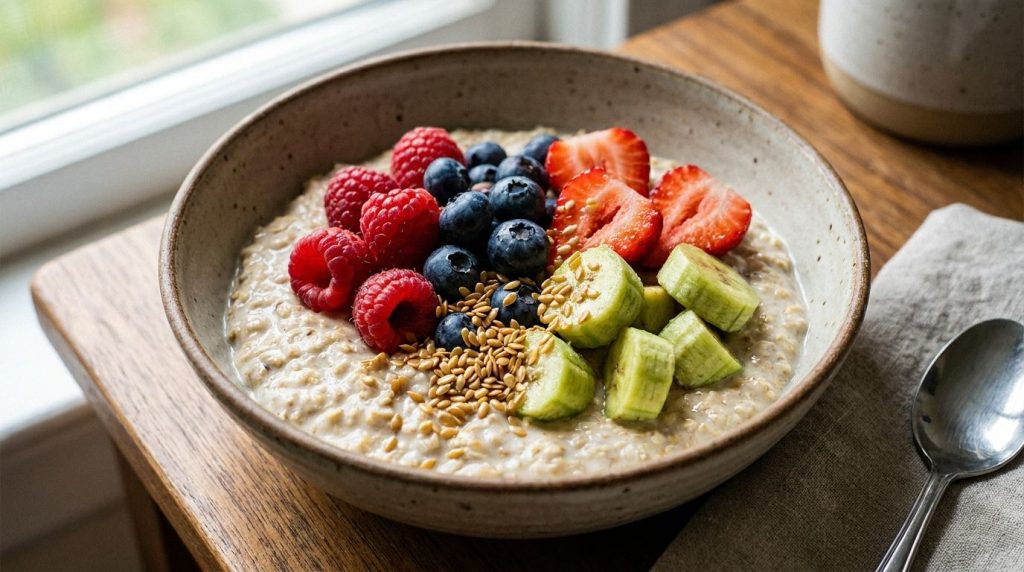
- Smoothie Boost: Blend green bananas, oats, flaxseeds, and even a small piece of apple into your morning smoothie.
- Savory Staples: Use onions, garlic, and leeks as the base for almost any savory dish, from stir-fries to soups.
- Salad Power: Add sliced apples, roasted asparagus, or a handful of beans to your salads for extra fiber.
- Snack Smart: Keep apples on hand for a quick, gut-friendly snack.
- Batch Cooking: Prepare a large batch of roasted artichokes or a bean salad to have on hand for quick additions to meals throughout the week.
Listen to Your Gut: Digestive Tolerance
While prebiotic fibers offer fantastic benefits for your gut microbes, it’s important to remember that everyone’s digestive tolerance is different. Some individuals, especially those with sensitive digestive systems, may experience temporary gas or bloating when increasing their fiber intake too quickly. It’s always best to introduce new prebiotic-rich foods gradually, allowing your gut time to adjust. Start with small portions and slowly increase your intake as your body adapts.
Final Thoughts
Embracing a diet rich in prebiotic foods is a delicious and effective way to support your gut health and overall well-being. By diversifying your intake of these fiber-rich ingredients, you’re providing your beneficial gut bacteria with the nourishment they need to thrive. Remember, a happy gut often leads to a healthier, happier you!
Which of these prebiotic-rich foods do you enjoy most often? Share your favorites with us!