Ever wonder how to pick the freshest veggies at the market? Learning a few simple tricks can make a big difference in the taste, nutritional value, and longevity of your produce. Bringing home vibrant, crisp vegetables is the first step towards creating delicious and healthy meals. It’s all about knowing what to look for!
General Tips for Spotting Fresh Produce
Becoming a savvy vegetable shopper is easier than you think. Here are some universal signs of freshness to keep in mind:
- Vibrant Colors: Look for bright, rich, and consistent colors. Dullness or discoloration can be a sign of age or poor quality.
- Firm Texture: Gently squeeze vegetables. They should feel firm and sturdy, not soft, mushy, or withered. An exception might be a perfectly ripe avocado, which should yield slightly.
- Fresh Scent: Many fresh vegetables have a subtle, earthy, or sweet aroma. If a vegetable has an off or unpleasant smell, it’s best to avoid it.
- Heavier for Its Size: Produce that feels heavy for its size often indicates good water content and freshness.
- Intact Skin: Check for smooth, unblemished skin without excessive bruising, cuts, or mold. While some minor imperfections are natural, significant damage can lead to quicker spoilage.
Spotlight on Specific Vegetables
Different vegetables have unique indicators of freshness. Here’s what to look for in some common favorites:
Leafy Greens (Spinach, Lettuce, Kale)
- Appearance: Leaves should be crisp, not wilted, saggy, or yellowed. The color should be a deep, vibrant green (or purple, depending on the variety).
- Texture: Feel the leaves; they should snap or crack when gently bent, not tear or feel slimy.
Root Vegetables (Carrots, Potatoes, Radishes)
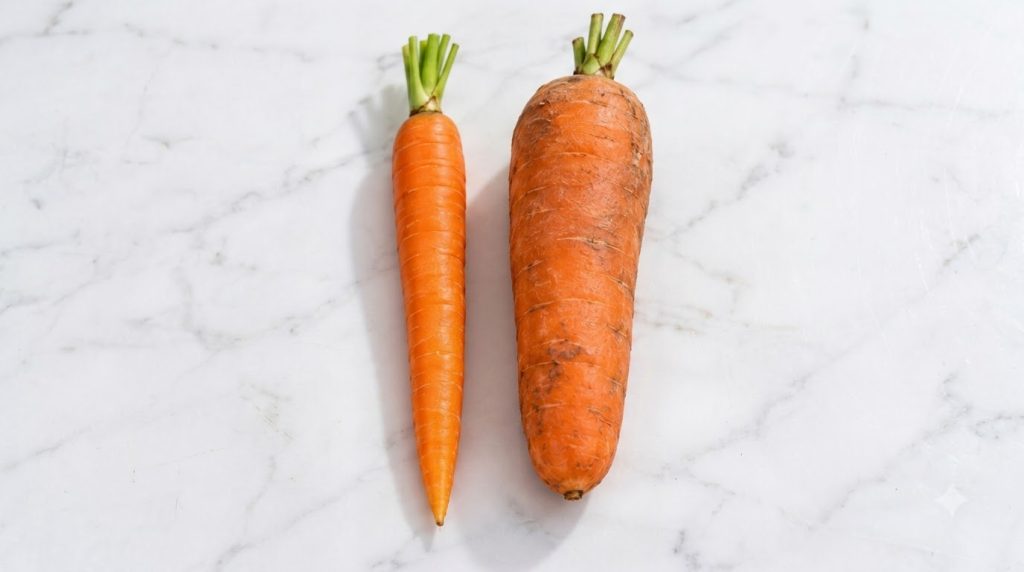
- Firmness: Carrots, potatoes, and radishes should be very firm and hard, with no soft spots.
- Skin: Look for smooth, clean skins without sprouts (on potatoes) or excessive blemishes.
- Greens: If carrots or radishes still have their leafy tops, they should be fresh and green, not wilted.
Tomatoes
- Color: A deep, uniform color (red, yellow, or orange depending on the variety) indicates ripeness.
- Firmness: They should feel firm but yield slightly to gentle pressure. Avoid very hard or very soft tomatoes.
- Scent: A good tomato often has a noticeable, earthy fragrance near its stem.
Bell Peppers
- Skin: Look for shiny, taut skin with no wrinkles or soft spots.
- Firmness: Peppers should feel firm and heavy for their size, indicating good hydration.
What to Avoid When Shopping
Just as important as knowing what to look for is knowing what to avoid. Steer clear of any produce that exhibits:
- Significant wilting or limpness
- Large bruises, cuts, or punctures
- Visible mold or slimy spots
- Unusual or strong, unpleasant odors
- Excessive discoloration or yellowing (unless it’s a naturally yellow variety)
Storing Your Fresh Haul for Longevity
Once you’ve made your smart selections, proper storage is key to maintaining freshness. Most vegetables thrive in a cool, dry environment, often in the crisper drawer of your refrigerator. Leafy greens benefit from being washed, dried, and stored in an airtight container or bag with a paper towel to absorb excess moisture. Root vegetables like potatoes and onions prefer a cool, dark, and dry place outside the refrigerator.
Shop Smarter, Eat Better!
By applying these simple yet effective tips, you’ll feel more confident navigating the produce aisle or farmer’s market. Choosing the freshest ingredients not only enhances the flavor of your meals but also ensures you’re getting the maximum nutritional benefits. Happy shopping!