Have you ever noticed a tiny twitch in your eyelid or persistent redness and wondered what your eyes are trying to tell you? Our eyes are not just windows to the soul; they can also be subtle indicators of our overall health. Small changes or discomforts can sometimes hint at what’s going on with your body, from stress and fatigue to nutritional imbalances. The good news is that supporting your eye health can often start with simple, natural food choices and mindful lifestyle habits.
In this article, we’ll explore some common eye symptoms, what they might signify, and how incorporating certain natural foods and practices into your daily routine may help keep your eyes bright, healthy, and happy. Remember, this information is for educational purposes and should not replace professional medical advice.
Common Eye Symptoms and What They Might Indicate
Our eyes can be quite expressive, not just emotionally, but also in signaling physiological changes within our bodies. Here are a few common symptoms and their potential links:
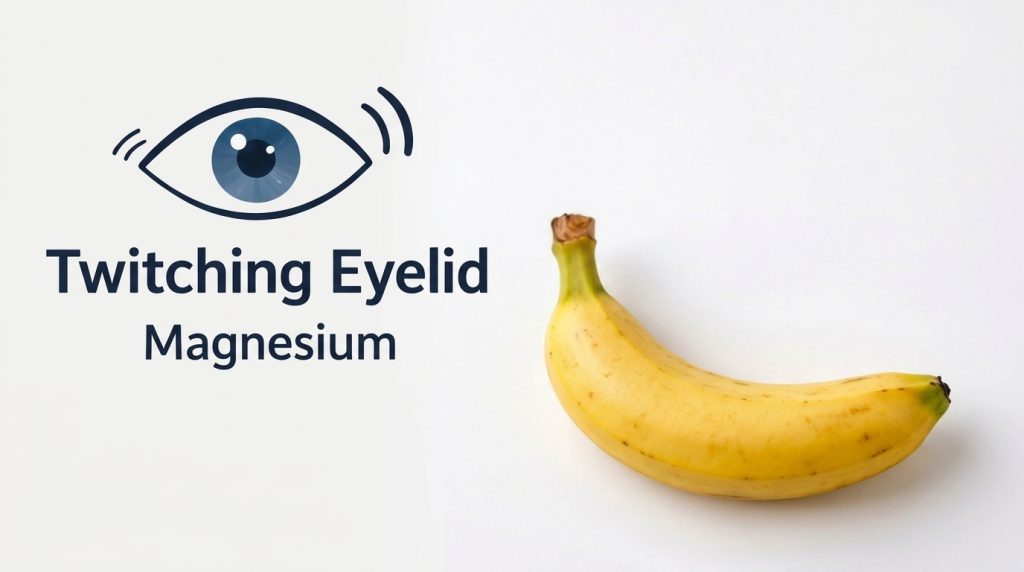
Eye Twitching (Myokymia)
An involuntary, repetitive spasm of the eyelid muscle is often a benign condition. While usually harmless, persistent twitching may be associated with:
- Stress: High-stress levels can manifest physically, and eye twitching is a common response.
- Fatigue: Lack of sleep or prolonged eye strain (especially from screens) can trigger twitches.
- Caffeine and Alcohol: Excessive intake of stimulants or depressants may sometimes lead to eye muscle spasms.
- Magnesium Deficiency: Some research suggests a link between low magnesium levels and muscle spasms, including in the eyelids.
Redness and Dryness
Red or dry eyes can be uncomfortable and affect your daily life. Possible causes include:
- Digital Eye Strain: Prolonged screen time can reduce blinking frequency, leading to dry, irritated eyes.
- Allergies: Environmental allergens can cause inflammation, redness, and itchiness.
- Dehydration: Insufficient water intake can affect tear production, leading to dry eyes.
- Omega-3 Deficiency: Omega-3 fatty acids play a role in tear film quality, and a deficiency may contribute to dry eye symptoms.
Temporary Blurry Vision
If your vision becomes temporarily blurry, it could be due to:
- Digital Eye Strain: Focusing on screens for extended periods can fatigue your eye muscles.
- Fatigue: Being overtired can affect your ability to focus clearly.
- Blood Sugar Fluctuations: For individuals with diabetes or pre-diabetes, significant changes in blood sugar can temporarily affect vision.
Nutritional Powerhouses for Eye Health
Just as your body needs fuel, your eyes thrive on specific nutrients. Integrating these foods into your diet may help support various aspects of eye health:
- Omega-3 Fatty Acids: Found in fatty fish (salmon, mackerel, sardines), flaxseeds, chia seeds, and walnuts. Omega-3s are essential for the structural integrity of cell membranes, including those in the retina, and may help reduce inflammation associated with dry eyes.
- Lutein and Zeaxanthin: These powerful antioxidants are concentrated in the macula of the eye. Rich sources include leafy green vegetables (spinach, kale, collard greens), corn, peas, broccoli, and egg yolks. They help filter harmful blue light and protect against oxidative damage.
- Vitamins A, C, and E:
- Vitamin A: Crucial for good vision, especially in low light. Carrots, sweet potatoes, and leafy greens are excellent sources.
- Vitamin C: A potent antioxidant found in citrus fruits, bell peppers, strawberries, and broccoli. It may help protect against oxidative stress.
- Vitamin E: Another antioxidant found in nuts (almonds), seeds (sunflower seeds), and vegetable oils. It helps protect eye cells from damage.
- Zinc: This mineral plays a vital role in transporting Vitamin A from the liver to the retina to produce melanin, a protective pigment in the eyes. Legumes, nuts, seeds, and lean meats are good sources.
- Anthocyanins: Found in berries like blueberries, blackberries, and cherries, these compounds are antioxidants that may help improve blood flow to the eyes and support night vision.
Lifestyle Tips for Optimal Eye Wellness
Beyond nutrition, daily habits also significantly impact your eye health:
- The 20-20-20 Rule: If you spend a lot of time on screens, every 20 minutes, look at something 20 feet away for at least 20 seconds. This helps relax your eye muscles.
- Stay Hydrated: Drinking enough water throughout the day supports overall bodily functions, including tear production, which is crucial for preventing dry eyes.
- Prioritize Sleep: Adequate rest allows your eyes to recover from daily strain and helps alleviate symptoms like twitching and temporary blurriness.
- Manage Stress: Techniques like meditation, yoga, or deep breathing can help reduce stress, which in turn may lessen eye twitching and fatigue.
- Wear Sunglasses: Protect your eyes from harmful UV rays by wearing sunglasses that block 99-100% of both UVA and UVB radiation, even on cloudy days.
Embrace a Holistic Approach to Eye Health
Your eyes are intricate and invaluable organs, and their health is deeply intertwined with your overall well-being. By paying attention to the subtle signals they send, nourishing your body with eye-healthy foods, and adopting simple yet effective lifestyle habits, you can take significant steps toward maintaining clear, comfortable vision. Small changes can make a big difference in keeping your eyes bright and healthy for years to come!
Disclaimer: This article is intended for informational purposes only and does not constitute medical advice. Always consult with a qualified healthcare professional or an optometrist for any eye concerns or before making any significant changes to your diet or lifestyle.