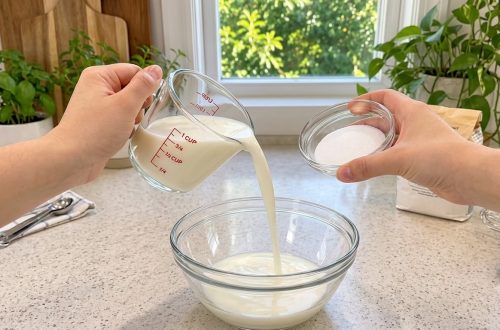
Simple Joys in the Kitchen: Finding Calm in Everyday Cooking Moments
In our busy lives, the kitchen can often feel like another task on the endless to-do list. But what if we reframed cooking, even the simplest actions, as an opportunity for calm and connection? That’s the essence of embracing the simple joys in the kitchen, transforming mundane moments into mindful experiences.
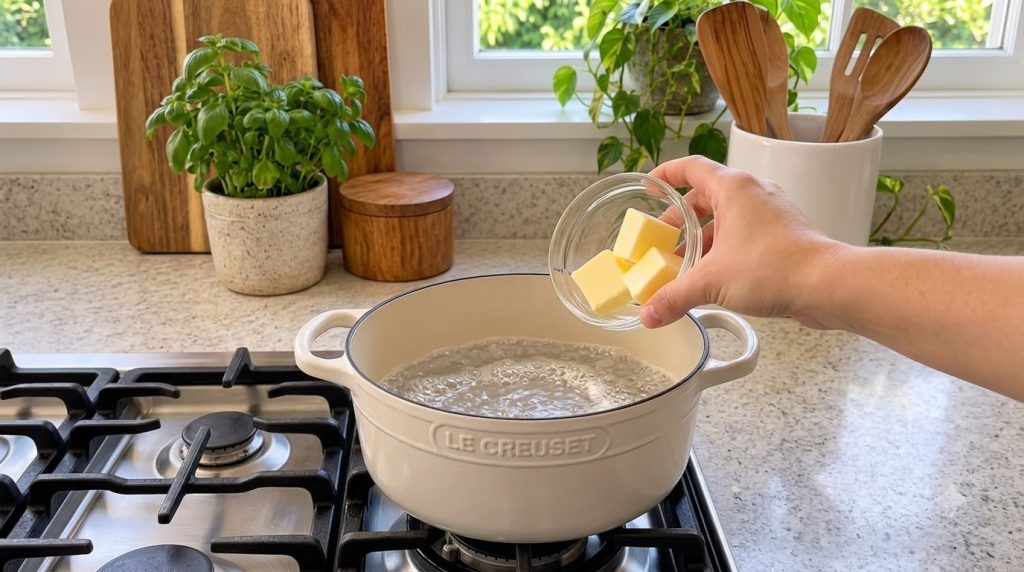
Imagine the gentle sizzle as butter melts in a warm pan, its rich aroma filling the air. Or the mesmerizing dance of butter cubes slowly softening over a double boiler, turning from solid gold to liquid sunshine. These aren’t just steps in a recipe; they are small, sensory pleasures that can ground us and bring a surprising sense of peace.
This article isn’t about a complex dish, but about celebrating those quiet, beautiful moments, like watching butter melt, that remind us of the simple happiness homemade food brings. It’s about finding a moment of culinary calm, embracing kitchen therapy, and savoring the homemade happiness that often gets overlooked in our rush to the finish line.
Why You’ll Love These Simple Kitchen Moments
Embracing these mindful culinary moments offers more than just perfectly melted butter. Here are a few reasons why you’ll want to slow down and savor the process:
- Stress Reduction: Focusing on a simple, repetitive task can be incredibly meditative, helping to calm a busy mind.
- Enhanced Mindfulness: It encourages you to be present, engaging your senses—sight, smell, and sound—in the act of cooking.
- Appreciation for Ingredients: By observing transformations, you develop a deeper appreciation for the quality and nature of your food.
- Creative Outlet: Even in simplicity, there’s room for creativity and a sense of accomplishment.
- Homemade Happiness: Connecting with your food on this fundamental level fosters a sense of joy and satisfaction.
The Star Ingredient: Butter
While many ingredients can bring simple joy, butter holds a special place. Its rich flavor and versatility make it a foundational element in countless dishes, and its transformation from solid to liquid is visually appealing and aromatically delightful.
Choosing Your Butter
- Unsalted Butter: Generally preferred for cooking and baking as it gives you control over the overall salt content of your dish.
- Salted Butter: Great for spreading on toast or simply melting to pour over vegetables, but be mindful of the added salt if using in recipes.
- European-Style Butter: Often has a higher fat content and a richer flavor, contributing to an even more luxurious experience when melted.
Essential Tools for Mindful Moments
You don’t need a gourmet kitchen to enjoy these simple pleasures. Basic, reliable tools are often all it takes:
- Small Saucepan: For direct melting over low heat or for creating a double boiler.
- Heat-Proof Glass Bowl: Ideal for a double boiler set-up, allowing gentle, even melting.
- Whisk or Silicone Spatula: For occasional stirring to ensure even melting.
- Stovetop: Your essential heat source.
Cultivating Calm: The Art of Melting Butter
Here’s how to turn the simple act of melting butter into a mindful, calming experience:
- Prepare Your Space: Clear your immediate cooking area. Take a deep breath and set an intention to be present.
- Choose Your Method:
- Double Boiler Method (Recommended for mindfulness): Fill a small saucepan with about 1 inch (2.5 cm) of water. Place a heat-proof glass bowl on top, ensuring the bottom of the bowl doesn’t touch the water. Bring the water to a gentle simmer over medium-low heat.
- Direct Heat Method: Place butter in a small saucepan over very low heat. This method requires more attention to prevent burning.
- Add the Butter: Place your desired amount of butter (cubed for faster, more even melting) into the bowl or saucepan.
- Observe and Inhale: As the butter begins to melt, observe the changes. Watch the edges soften, then the center. Notice the rich, creamy color. Inhale the comforting, slightly nutty aroma that fills the air.
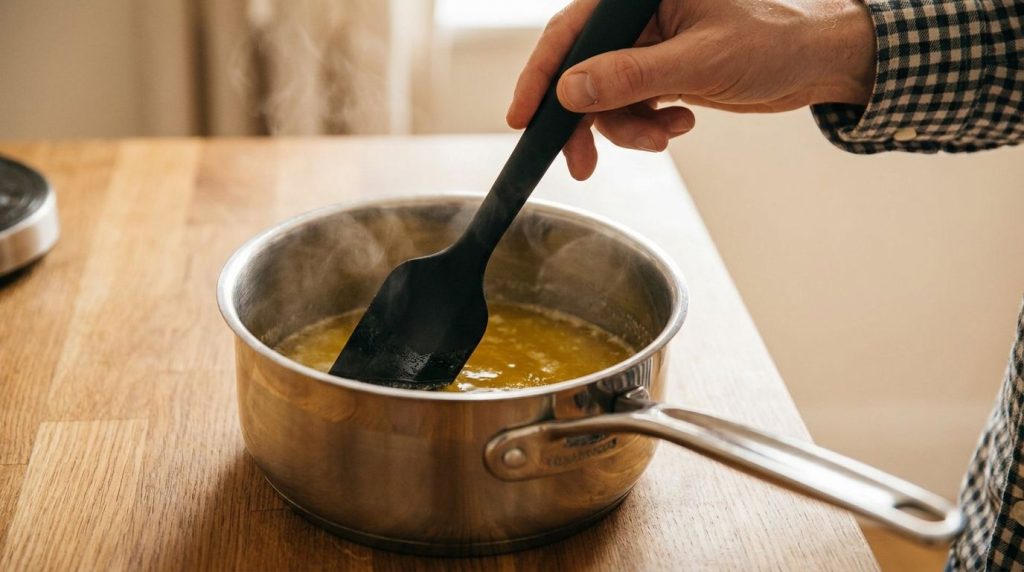
- Gentle Stirring (Optional): If desired, give the butter a gentle stir with a whisk or spatula. Feel the warmth and the smooth resistance.
- Witness the Transformation: Continue to watch until the butter is completely melted, a golden liquid reflecting the light. There should be no browned bits unless you intend to make brown butter.
- Savor the Moment: Turn off the heat. Take a moment to appreciate the simple beauty of this transformation before moving on to its use.
Pro Tips for Mindful Kitchen Moments
- Engage All Senses: Don’t just follow steps; truly see, smell, hear, and feel what you’re doing.
- Slow Down: Resist the urge to rush. The beauty of these moments lies in their unhurried nature.
- Minimize Distractions: Turn off the TV, put away your phone. Let the kitchen be your sanctuary.
- Music or Silence: Choose calming music or embrace the quiet hum of your kitchen.
- Start Small: Begin with simple tasks like melting butter, chopping herbs, or kneading dough to build your mindful cooking practice.
- Appreciate the Outcome: Whether it’s perfectly melted butter or a perfectly chopped onion, acknowledge the result of your focused effort.
Common Distractions to Avoid in the Kitchen
To truly embrace kitchen therapy, it’s important to identify and minimize common disruptions:
- Multitasking: Trying to do too many things at once can prevent you from focusing on the task at hand.
- Digital Devices: Phones, tablets, and TVs can pull your attention away from the cooking process.
- Cluttered Spaces: A disorganized kitchen can contribute to a disorganized mind, making it harder to relax.
- Negative Self-Talk: Avoid criticizing your skills or rushing through tasks out of impatience.
Expanding Your Simple Kitchen Joys
Once you’ve mastered the art of mindful butter melting, consider applying this approach to other simple kitchen tasks:
- Chopping Fresh Herbs: Notice the vibrant colors, the crisp sound of the knife, and the burst of fragrance.
-
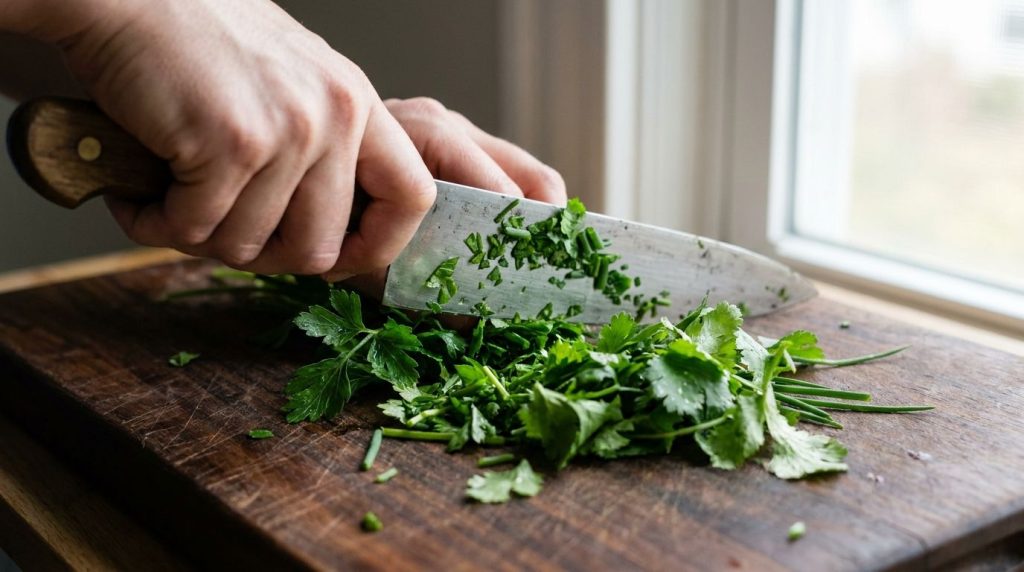
Chopping fresh herbs can be a surprisingly meditative task. Kneading Dough: Feel the texture change, the elasticity develop, and the warmth beneath your hands.
- Washing Fresh Produce: Admire the colors and shapes of fruits and vegetables as you gently clean them.
- Brewing Tea or Coffee: Savor the process, from grinding beans to watching water steep.
Using Your Melted Butter & Other Simple Pleasures
Your beautifully melted butter is now ready to elevate a variety of dishes. Here are a few ideas:
- Drizzle over Cooked Vegetables: A simple way to add richness and flavor to steamed or roasted veggies.
- Toss with Pasta: Combine with fresh herbs and a pinch of salt and pepper for a quick, elegant side or light meal.
- Enhance Seafood: Perfect for dipping lobster or crab, or for basting pan-seared fish.
- Baking: Incorporate into your favorite recipes, knowing it was melted with care.
- Mindful Eating: Extend the joy by consciously savoring the meal you’ve prepared, appreciating each bite.
FAQ
What are simple joys in the kitchen?
Simple joys in the kitchen refer to finding satisfaction and calm in basic, often overlooked, cooking tasks like melting butter, chopping vegetables, or kneading dough, rather than focusing solely on the final dish.
How can I make cooking more mindful?
To make cooking more mindful, try to engage all your senses, slow down, minimize distractions like screens, and focus on the present moment of each task. Appreciate the textures, aromas, and transformations of your ingredients.
Is melting butter over a double boiler better than direct heat?
For mindfulness and best results, melting butter over a double boiler is often preferred. It provides gentler, more even heat, preventing the butter from scorching or separating, and allows for a slower, more deliberate process.
What other simple kitchen tasks can be meditative?
Beyond melting butter, tasks like washing produce, shelling peas, peeling garlic, sifting flour, or gently whisking ingredients can also be meditative. Anything that allows for focused, repetitive motion and sensory engagement can be a source of culinary calm.
Why is it important to find calm in cooking?
Finding calm in cooking can reduce stress, enhance creativity, improve your connection with food, and turn a daily chore into a source of enjoyment and well-being. It transforms the kitchen into a space for self-care and homemade happiness.