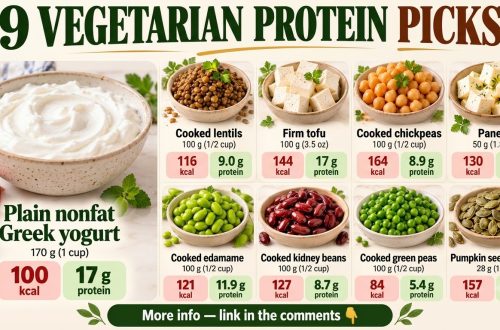
Are you looking to boost your protein intake without relying on meat? Embracing a vegetarian or plant-based lifestyle doesn’t mean sacrificing essential nutrients, especially when it comes to protein. Many plant-based foods are packed with the protein you need to feel full, support muscle health, and maintain energy throughout your day.
This article explores nine fantastic vegetarian protein powerhouses, offering a delicious and diverse way to fuel your body. We’ll dive into each one, revealing its protein content, caloric value, and practical tips for incorporating them into your daily meals.
Whether you’re a seasoned vegetarian or simply looking to add more plant-based options to your diet, these protein-rich foods can transform your meals and help you feel energized and satisfied.
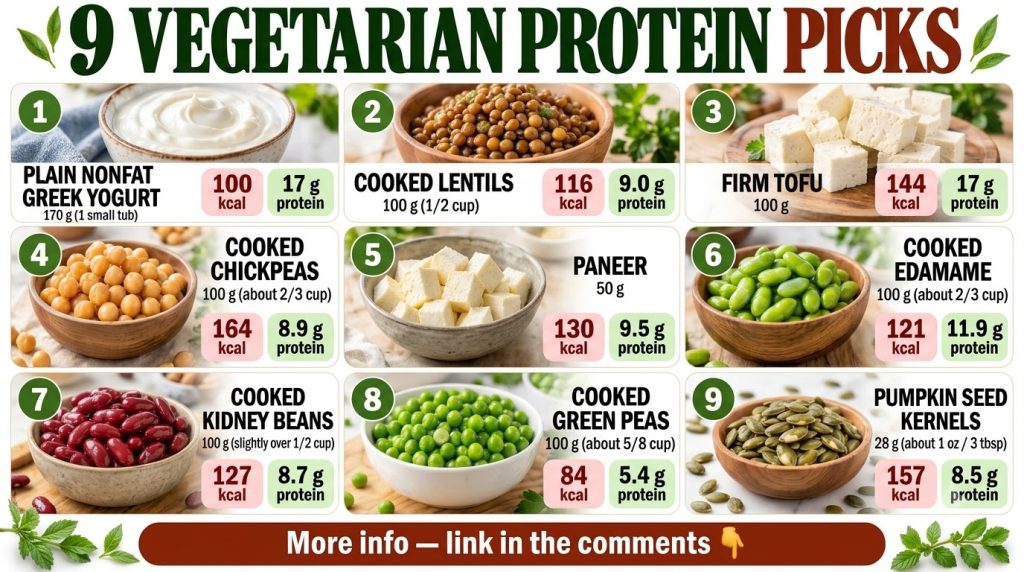
Your Go-To Guide to 9 Vegetarian Protein Picks
1. Plain Nonfat Greek Yogurt
Greek yogurt is a superstar in the world of vegetarian protein, especially for breakfast or a quick snack. Unlike regular yogurt, it undergoes a straining process that removes much of the whey, resulting in a thicker, creamier texture and a significantly higher protein content.
- Quantity: 1 cup (227g)
- Calories: 130
- Protein: 23g
Beyond protein, Greek yogurt is an excellent source of calcium, crucial for bone health, and often contains probiotics, which can support gut health. Enjoy it plain, or enhance its flavor by adding fresh berries, a drizzle of honey, or a sprinkle of nuts and seeds for an extra protein and fiber boost.
2. Cooked Lentils
Lentils are a humble legume that packs a mighty protein punch and are incredibly versatile. They are a staple in many cuisines worldwide and a fantastic option for a satisfying, plant-based meal.
- Quantity: 1 cup (198g)
- Calories: 230
- Protein: 18g
Rich in dietary fiber, lentils aid digestion and can help manage blood sugar levels. They are also a good source of iron, important for energy, and folate. Incorporate cooked lentils into soups, stews, salads, or even use them as a base for vegetarian patties and meatless loaves.
3. Firm Tofu
Tofu, made from condensed soy milk, is a complete protein, meaning it contains all nine essential amino acids your body needs. Firm tofu holds its shape well, making it ideal for various cooking methods.
- Quantity: 1/2 block (126g)
- Calories: 120
- Protein: 14g
Tofu is also a good source of calcium and iron. Its neutral flavor allows it to absorb the tastes of marinades and seasonings beautifully. Try baking, pan-frying, grilling, or scrambling firm tofu for a protein-rich addition to stir-fries, curries, or even a savory breakfast.
4. Cooked Chickpeas
Also known as garbanzo beans, chickpeas are a beloved legume recognized for their nutty flavor and substantial nutritional profile. They are a versatile ingredient that can be enjoyed in many forms.
- Quantity: 1 cup (164g)
- Calories: 270
- Protein: 14g
Chickpeas are high in fiber, contributing to digestive health and prolonged satiety. They also provide folate, manganese, and iron. Use them to make homemade hummus, add them to salads for texture and protein, roast them with spices for a crunchy snack, or incorporate them into hearty stews and curries.
5. Paneer
Paneer is a fresh, non-melting cheese common in South Asian cuisine. It’s an excellent source of vegetarian protein, particularly appealing for those who enjoy dairy and a firmer cheese texture.
- Quantity: 1/2 cup (112g)
- Calories: 330
- Protein: 20g
Beyond its high protein content, paneer is rich in calcium, supporting strong bones and teeth. It can be cubed and added to curries like palak paneer, grilled, or scrambled with vegetables for a satisfying, protein-packed meal. Its mild flavor pairs well with a variety of spices.
6. Cooked Edamame
Edamame are immature soybeans, typically served in the pod or shelled. They offer a complete plant-based protein and make for a delicious and nutritious snack or addition to meals.
- Quantity: 1 cup (160g)
- Calories: 190
- Protein: 18g
These vibrant green beans are also an excellent source of fiber, vitamins K and C, and folate. Enjoy cooked edamame as a simple snack, add them to salads, stir-fries, or blend them into dips for a boost of nutrients and protein. They are readily available frozen, making them a convenient option for meal prep.
7. Cooked Kidney Beans
Kidney beans are a classic legume, recognized by their distinctive shape and dark red color. They are a hearty and affordable source of plant-based protein and fiber, making them a staple in many healthy diets.
- Quantity: 1 cup (177g)
- Calories: 220
- Protein: 15g
Besides protein, kidney beans are rich in dietary fiber, which can help regulate blood sugar, improve digestion, and contribute to a feeling of fullness. They also supply iron, folate, and magnesium. Incorporate them into chili, bean salads, burritos, or as a protein base for vegetarian burgers.
8. Cooked Green Peas
Often underestimated, green peas are a surprisingly good source of plant-based protein and a host of other nutrients. These small, sweet legumes are easy to add to almost any meal.
- Quantity: 1 cup (160g)
- Calories: 130
- Protein: 9g
Green peas are packed with vitamins K, C, and A, as well as fiber. They are also a source of antioxidants. Add cooked green peas to pasta dishes, rice pilafs, soups, stir-fries, or simply serve them as a vibrant and nutritious side dish. Frozen peas are a convenient option to always have on hand.
9. Pumpkin Seed Kernels
Pumpkin seeds, often called pepitas, are small but mighty powerhouses of nutrition. These edible seeds from pumpkins are an excellent source of protein and healthy fats.
- Quantity: 1/4 cup (28g)
- Calories: 160
- Protein: 8g
Pumpkin seeds are also rich in magnesium, zinc, and beneficial omega-3 fatty acids, which are important for heart and brain health. Enjoy them as a standalone snack, sprinkle them over salads, yogurt, or oatmeal, or incorporate them into homemade granola or trail mix for a satisfying crunch and nutritional boost.
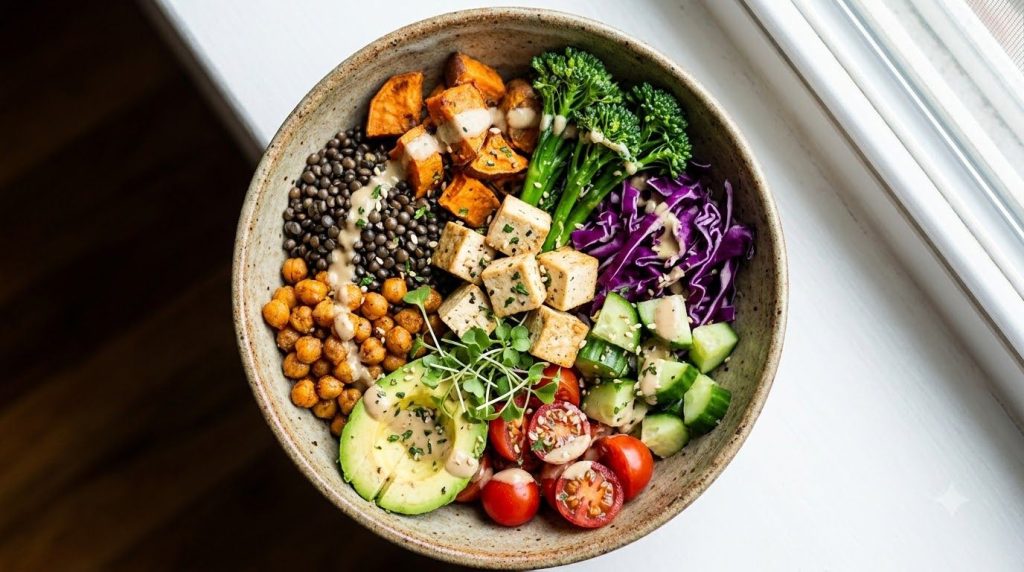
Frequently Asked Questions About Vegetarian Protein
Q: Can vegetarians get enough protein without meat?
A: Absolutely! As demonstrated by these nine examples, a wide variety of vegetarian foods offer substantial amounts of protein. With proper meal planning and a diverse diet, vegetarians can easily meet their protein needs.
Q: What is a complete protein, and do plant foods have them?
A: A complete protein contains all nine essential amino acids. While many plant proteins are considered ‘incomplete’ on their own, foods like tofu, tempeh, quinoa, and edamame are complete proteins. Additionally, by combining different plant foods throughout the day (e.g., rice and beans), you can ensure you get all essential amino acids.
Q: Are there any best practices for maximizing protein absorption from vegetarian sources?
A: Eating a variety of protein sources throughout the day is key. Pairing protein with vitamin C-rich foods can also enhance iron absorption, which is often found alongside protein in plant-based foods. Ensuring adequate caloric intake also helps your body utilize protein effectively.
Final Thoughts
Incorporating these nine vegetarian protein powerhouses into your diet is a delicious and effective way to ensure you’re getting ample protein. From creamy Greek yogurt to hearty lentils and versatile tofu, there’s an option for every taste and meal. Embracing these foods can lead to improved satiety, sustained energy, and a rich array of essential nutrients, all contributing to a healthier, more vibrant you. Fuel your day the plant-powered way and discover the benefits for yourself!
Medical Disclaimer
The information provided in this article is for general informational purposes only and does not constitute medical advice. Always consult with a qualified healthcare professional or registered dietitian before making any significant changes to your diet or health regimen, especially if you have existing health conditions or dietary restrictions.