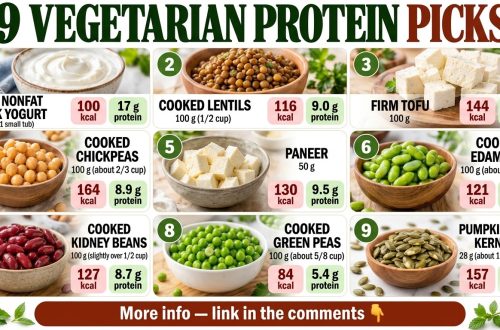
Looking for delicious ways to increase your plant-based protein? Fueling your body with adequate protein is essential, whether you follow a vegetarian diet or simply want to incorporate more plant-based options into your meals. Protein plays a crucial role in muscle repair, hormone production, and overall satiety, making it a cornerstone of a healthy lifestyle. This guide highlights essential vegetarian options to help you boost your plate with top vegetarian protein picks.
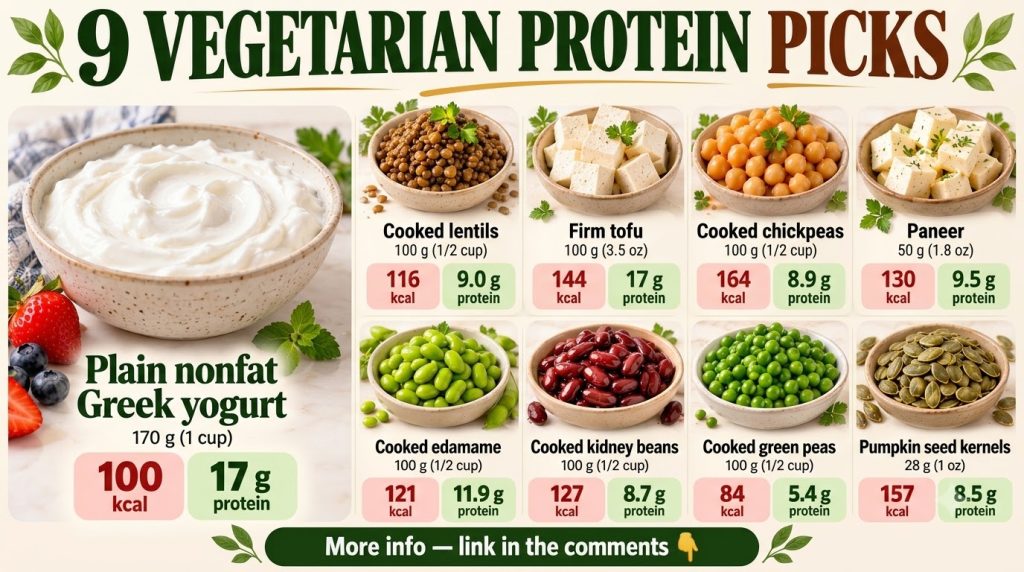
We’ve compiled a list of nine fantastic plant-based protein sources, complete with their nutritional values, to help you make informed choices. Incorporating these foods can transform your meals into powerhouses of nutrition, ensuring you get the protein you need while enjoying a diverse and flavorful diet.
Why Vegetarian Protein Matters for Your Health
Protein is a macronutrient vital for countless bodily functions. For those following a vegetarian diet, finding diverse and complete protein sources is key to maintaining muscle mass, supporting metabolic health, and feeling full throughout the day. Plant-based proteins often come with the added benefits of fiber, vitamins, and minerals, which are crucial for digestive health, immunity, and overall well-being. Choosing vegetarian protein sources can also contribute to a diet rich in antioxidants and lower in saturated fat.
Your Top 9 Vegetarian Protein Picks for a Balanced Diet
Here’s a closer look at some of the best vegetarian protein sources, their nutritional highlights, and easy ways to enjoy them:
1. Plain Nonfat Greek Yogurt
A creamy and versatile choice, plain nonfat Greek yogurt offers a significant protein punch. A typical serving (around 100g) can provide approximately 59 calories and a remarkable 10g of protein. Beyond protein, it’s an excellent source of calcium and probiotics, which support bone health and gut function. It’s also a great high-protein breakfast option.
- How to enjoy: Mix with berries and a sprinkle of pumpkin seeds for breakfast, use as a base for creamy dressings, or blend into smoothies for added thickness and protein.
2. Cooked Lentils
These humble legumes are nutritional powerhouses. A 100g serving of cooked lentils contains about 116 calories and 9g of protein, alongside an impressive amount of fiber, iron, and folate. Lentils are known for their ability to help stabilize blood sugar and support heart health.
- How to enjoy: Add to soups, stews, curries, or create a hearty lentil salad. They also make an excellent base for vegetarian burgers.
3. Firm Tofu
Tofu, made from condensed soy milk, is a staple in many plant-based diets. A 100g serving of firm tofu provides around 76 calories and 8g of protein. It’s also a good source of calcium and manganese. Tofu is incredibly versatile, absorbing flavors well, making it a great addition to various dishes.
- How to enjoy: Marinate and grill, bake, or stir-fry. It can also be crumbled into scrambles or used as a meat substitute in tacos and pasta dishes.
4. Cooked Chickpeas
Chickpeas, also known as garbanzo beans, are beloved for their nutty flavor and robust texture. A 100g serving of cooked chickpeas offers approximately 164 calories and 9g of protein. They are rich in fiber, iron, magnesium, and zinc, contributing to digestive health and energy levels.
- How to enjoy: Roast them for a crunchy snack, blend into hummus, add to salads, or incorporate into curries and stews.
5. Paneer
A fresh cheese popular in Indian cuisine, paneer is a delicious vegetarian protein source. Per 100g, paneer typically contains around 265 calories and 18g of protein. It’s also a good source of calcium. While higher in calories, its significant protein content makes it very satiating.
- How to enjoy: Cut into cubes and add to curries, grill or pan-fry as a snack, or incorporate into wraps and salads.
6. Cooked Edamame
Young soybeans in their pods, edamame are a vibrant green and highly nutritious snack. A 100g serving of cooked edamame provides about 122 calories and 11g of protein. They are also packed with fiber, vitamin K, and folate.
- How to enjoy: Steam or boil and sprinkle with a pinch of sea salt for a simple snack. Add shelled edamame to salads, stir-fries, or grain bowls.
7. Cooked Kidney Beans
Kidney beans are hearty legumes known for their distinctive shape and robust flavor. A 100g serving of cooked kidney beans contains approximately 127 calories and 9g of protein. They are an excellent source of fiber, iron, and molybdenum.
- How to enjoy: The star of chili, they are also great in salads, burritos, and vegetarian burgers.
8. Cooked Green Peas
Often underestimated, green peas are surprisingly rich in protein and other essential nutrients. A 100g serving of cooked green peas provides around 81 calories and 5g of protein. They also offer a good amount of vitamins A, C, and K, as well as fiber.
- How to enjoy: A classic side dish, add them to pasta, rice dishes, or use them as a vibrant addition to salads. They can also be blended into soups or dips.
9. Pumpkin Seed Kernels
These small but mighty seeds are a fantastic source of plant-based protein and healthy fats. A 100g serving of pumpkin seed kernels contains approximately 541 calories and a substantial 24g of protein. They are rich in magnesium, zinc, iron, and antioxidants.
- How to enjoy: Sprinkle over salads, yogurt, oatmeal, or blend into smoothies. They also make a great crunchy snack on their own or as part of a trail mix.
Practical Tips for Boosting Your Plant-Based Protein Intake
Incorporating these vegetarian protein sources into your daily meals is easier than you think. Here are some strategies:
- Meal Prep: Cook a batch of lentils or chickpeas at the beginning of the week to easily add to salads, wraps, or grain bowls.
- Snack Smart: Keep edamame or pumpkin seeds handy for quick, protein-rich snacks.
- Blend It In: Add Greek yogurt or tofu to your smoothies for an undetectable protein boost.
- Vary Your Sources: Don’t rely on just one or two items. A diverse intake ensures a wider range of amino acids and other nutrients.
- Combine Proteins: Pair different plant proteins, like grains with legumes (e.g., rice and beans), to ensure you get all essential amino acids.
Frequently Asked Questions About Vegetarian Protein
Can vegetarians get enough protein?
Absolutely! With a varied diet including legumes, soy products, dairy, nuts, and seeds, vegetarians can easily meet their protein needs.
Are plant proteins as good as animal proteins?
Many plant proteins are complete, meaning they contain all nine essential amino acids. Even if a single plant food isn’t complete, combining various plant proteins throughout the day (e.g., grains with legumes) ensures you get all necessary amino acids. Plant proteins also often come with additional health benefits like fiber and antioxidants.
What are some high-protein vegetarian breakfast ideas?
Greek yogurt with seeds and fruit, tofu scramble with vegetables, or overnight oats with chia seeds and protein powder are excellent high-protein breakfast options.
Final Thoughts
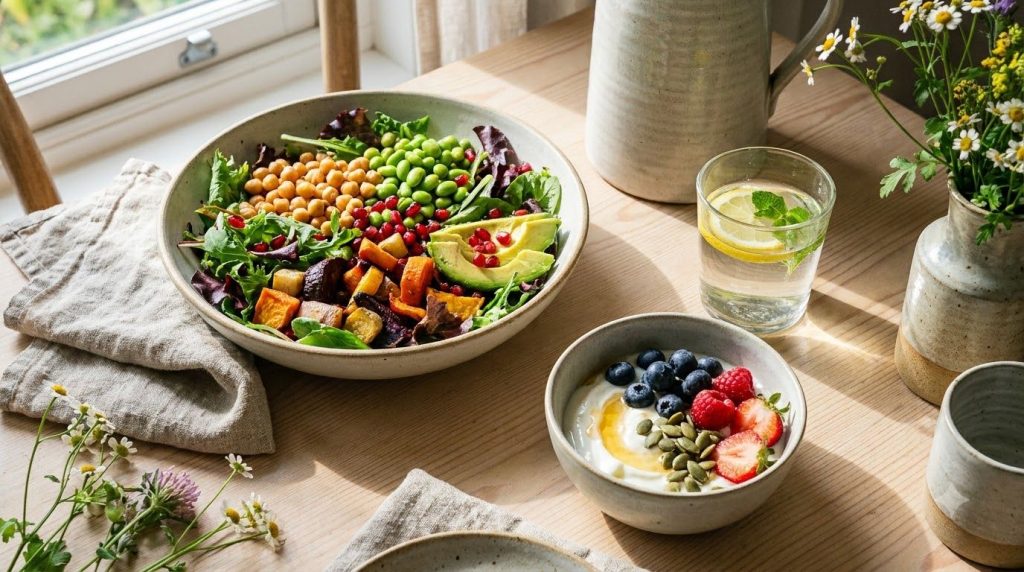
Boosting your plate with top vegetarian protein picks is an achievable and rewarding goal for anyone looking to enhance their diet. By incorporating a variety of sources like Greek yogurt, lentils, tofu, chickpeas, paneer, edamame, kidney beans, green peas, and pumpkin seeds, you can ensure a well-rounded intake of this vital macronutrient. These foods not only provide essential protein but also contribute a wealth of other nutrients, supporting your health and well-being from many angles. Experiment with these versatile ingredients to create delicious, satisfying, and protein-packed meals every day.
Medical Disclaimer
The information provided in this article is for general informational purposes only and does not constitute medical advice. It is not intended to diagnose, treat, cure, or prevent any disease. Always consult with a qualified healthcare professional before making any dietary changes or starting any new health regimen, especially if you have existing health conditions or concerns.