Ready to give your complexion a boost? This simple DIY cream, combining two accessible ingredients, is often promoted for its potential to help support brighter, more radiant-looking skin. Inspired by traditional home remedies, this recipe focuses on a powerful duo that many believe can help improve skin tone and texture.
Quick Recipe
Prep time: 5 minutes
Best for: Dull skin, uneven tone, supporting a brighter complexion
Use type: Cream
Main ingredients:
- Petroleum Jelly (Vaseline)
- Cosmetic-grade Vitamin C Powder (L-Ascorbic Acid)
Ingredients
- 2 tablespoons pure petroleum jelly (Vaseline)
- 1/8 to 1/4 teaspoon cosmetic-grade L-Ascorbic Acid powder (Vitamin C)
How to Make It
- Prepare Your Workspace: Ensure your hands and all utensils (spoon, small bowl, airtight container) are clean and dry to maintain hygiene.
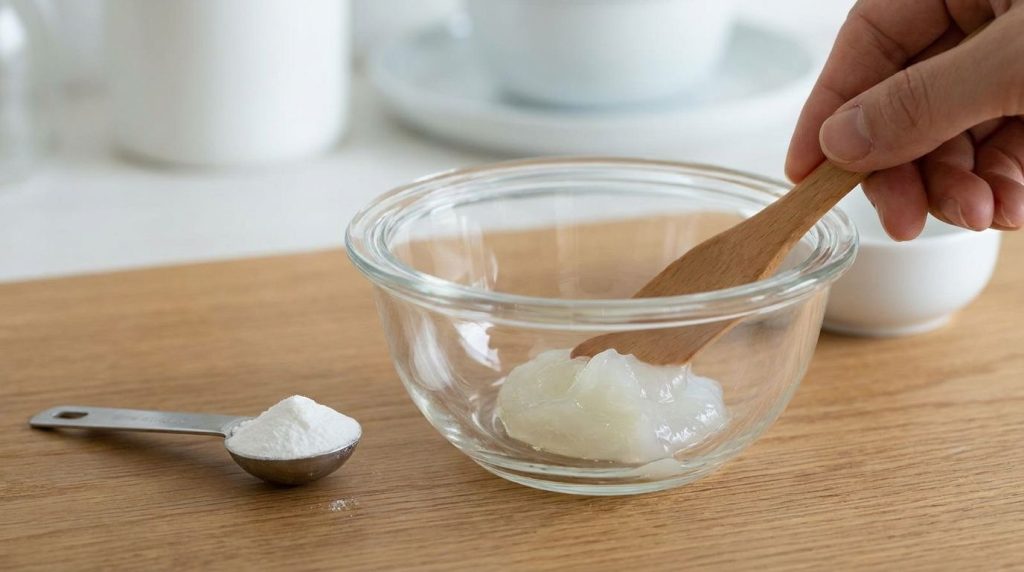
- Measure Petroleum Jelly: Scoop 2 tablespoons of pure petroleum jelly (like Vaseline) into a small, clean mixing bowl.
- Add Vitamin C Powder: Carefully add 1/8 to 1/4 teaspoon of cosmetic-grade L-Ascorbic Acid powder to the petroleum jelly. Start with a smaller amount, especially if you have sensitive skin, as Vitamin C can be potent.
- Mix Thoroughly: Using a clean spoon or spatula, gently and thoroughly mix the Vitamin C powder into the petroleum jelly until it’s completely dissolved and evenly incorporated. The mixture should have a consistent, smooth texture without any gritty particles.
- Transfer and Store: Transfer the homemade cream into a small, clean, airtight container.
How to Use It
- Cleanse Skin: Start with a clean face. Gently wash your face with your usual cleanser and pat it dry.
- Patch Test: Before full application, apply a tiny amount of the cream to an inconspicuous area of your skin (like behind your ear or on your inner arm) and wait 24 hours to check for any irritation or adverse reactions.
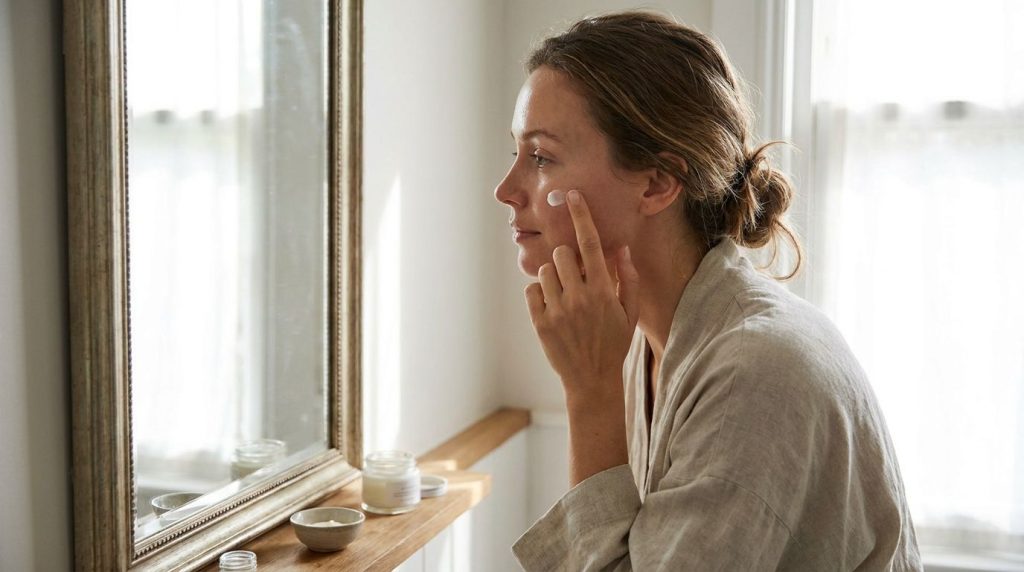
- Apply Sparingly: Once you’ve confirmed no sensitivity, take a very small amount of the cream on your fingertip.
- Massage Gently: Gently massage the cream onto your face or target areas. A thin layer is usually sufficient. Avoid the immediate eye area.
How Often to Use It
Due to the potency of Vitamin C, it’s generally recommended to start using this cream 2-3 times a week, preferably in the evening. If your skin tolerates it well, you may gradually increase usage to every other night. Always listen to your skin and reduce frequency if you notice any signs of irritation.
Why These Ingredients Are Used
Petroleum Jelly (Vaseline)
Petroleum jelly, commonly known as Vaseline, acts as an occlusive barrier, meaning it helps to seal moisture into the skin. This can be particularly beneficial for creating a hydrating environment, which supports overall skin health and can help other ingredients, like Vitamin C, penetrate more effectively. It’s also known for its ability to help skin feel softer and smoother.
Cosmetic-grade Vitamin C Powder (L-Ascorbic Acid)
Vitamin C (L-Ascorbic Acid) is a popular ingredient in skincare routines, often sought after for its antioxidant properties. It’s traditionally used to support a brighter-looking complexion, help even out skin tone, and promote a fresher glow. When used topically, it may help in improving the appearance of dullness and minor skin discolorations, contributing to a more radiant look.
What Results to Expect
With consistent and careful use, this homemade Vaseline and Vitamin C cream may help to support a brighter, more even-toned complexion. You might notice your skin feeling softer and appearing more radiant over time. The hydrating base of petroleum jelly can also help reduce the appearance of dryness, leaving your skin feeling supple and smooth.
Safety Notes
- Patch Test First: Always perform a patch test on a small, discreet area of your skin at least 24 hours before applying the cream to your entire face to check for any adverse reactions.
- Use Gently: Apply the cream with light, gentle strokes. Do not rub harshly.
- Avoid Irritated or Broken Skin: Do not use this cream on skin that is irritated, broken, sunburned, or has any active breakouts or conditions like eczema or rosacea.
- Stop If Discomfort Occurs: If you experience any redness, itching, burning, excessive dryness, or irritation, discontinue use immediately.
- Vitamin C Potency: L-Ascorbic Acid is potent. Starting with a very small amount (1/8 teaspoon) is crucial, especially for sensitive skin. High concentrations can cause irritation.
- Sun Sensitivity: Vitamin C can increase sun sensitivity. Always use a broad-spectrum sunscreen during the day when using Vitamin C products.
- Storage: Store the cream in an airtight container in a cool, dark place to preserve the stability and efficacy of the Vitamin C.
- Pore Clogging: While generally non-comedogenic for most, Vaseline can be occlusive. If you have acne-prone skin, observe how your skin reacts.
FAQ
Can I use any type of Vitamin C for this recipe?
It’s best to use cosmetic-grade L-Ascorbic Acid powder, as it is the most potent and studied form of Vitamin C for skin application. Avoid using dietary supplements or other forms not intended for topical use, as they may not be effective or safe.
How long can I store this homemade cream?
Homemade creams typically have a shorter shelf life than commercial products. Given the unstability of L-Ascorbic Acid when exposed to light and air, aim to use this cream within 2-3 weeks. Store it in an airtight container in a cool, dark place.
Will this cream make my skin sensitive to the sun?
Vitamin C can sometimes increase your skin’s sensitivity to the sun. It’s crucial to apply a broad-spectrum sunscreen with an SPF of 30 or higher every morning, especially when you are using any Vitamin C product in your routine.
Final Thoughts
This homemade Vaseline and Vitamin C cream offers a simple, accessible way to explore traditional beauty methods for a brighter-looking complexion. Remember that consistency and careful attention to your skin’s reactions are key when trying any new beauty remedy. Give it a try and see if this classic combination brings a fresh glow to your skin!