In the vast tapestry of traditional remedies, few plants hold as cherished a place as Chamomile. Revered for centuries across cultures, this humble flower is more than just a pretty bloom; it’s a potent symbol of tranquility and a wellspring of natural wellness. At REMEDY, we believe in unlocking the hidden potential of plants, and chamomile stands as a shining example of nature’s simple yet profound gifts. Join us on a journey to discover how this golden blossom can transform your daily rituals, offering peace and healing one sip at a time.
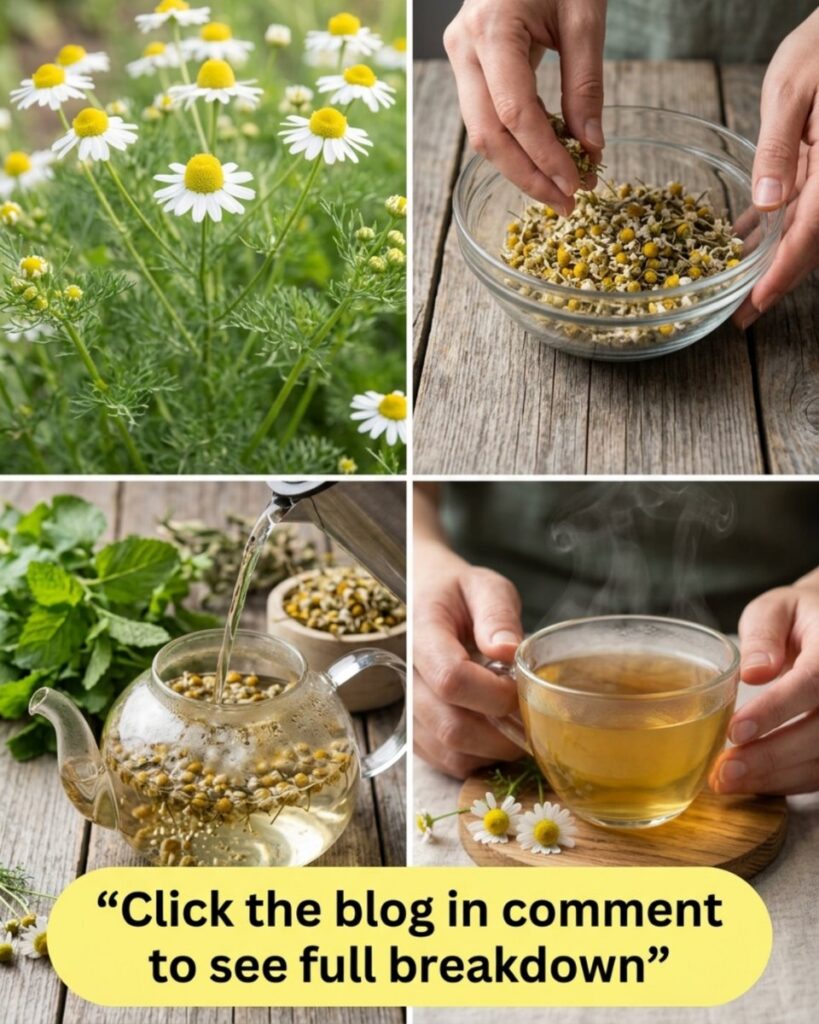 The complete journey of chamomile, from vibrant fields to your calming cup.
The Whisper of Chamomile: A Historical Embrace
The name ‘chamomile’ itself evokes a sense of comfort. Derived from Greek words meaning ‘ground apple,’ referencing its fresh, apple-like scent, this delicate flower has been a staple in traditional medicine for millennia. Ancient Egyptians used it for fevers and as a cosmetic, while Romans enjoyed it as a medicinal drink. Throughout Europe, it became a common folk remedy for sleep, anxiety, and digestive woes. Its enduring popularity is a testament to its gentle yet effective properties.
Cultivating Calm: From Plant to Perfect Brew
Understanding how to prepare chamomile properly is key to unlocking its full potential. While you can certainly buy pre-packaged chamomile tea, there’s a unique satisfaction in knowing the journey from field to cup, or even preparing it yourself!
Identifying and Harvesting Chamomile
There are two main types of chamomile: Roman (Chamaemelum nobile) and German (Matricaria chamomilla). German chamomile is most commonly used for tea, identifiable by its white petals surrounding a prominent yellow, hollow cone-shaped center. They typically bloom in early summer.
- Harvesting: Gently pick the flower heads when they are fully open, ideally in the morning after the dew has evaporated. Avoid any wilted or damaged flowers.
Carefully selected chamomile blossoms, ready for their journey.
Drying Your Chamomile Flowers
Drying is crucial to preserve the aromatic compounds and medicinal qualities of the flowers.
- Preparation: Spread the freshly picked flower heads in a single layer on a clean, dry surface like a mesh screen, baking sheet, or cotton cloth.
- Location: Choose a warm, well-ventilated area away from direct sunlight. Direct sun can degrade the volatile oils responsible for chamomile’s benefits.
- Drying Time: It typically takes 1-2 weeks for the flowers to dry completely. They should feel brittle to the touch, and the petals should easily crumble.
- Storage: Once thoroughly dry, store the flowers in an airtight glass jar in a cool, dark place. Properly stored, they can last for up to a year.
The Golden Elixir: Brewing Your Chamomile Tea
The beauty of chamomile tea lies in its simplicity. Here’s how to brew a perfect cup:
Ingredients:
- 1-2 teaspoons of dried chamomile flowers (loose leaf) or 1 tea bag
- 8-10 ounces of hot water (just off the boil)
- Optional: A slice of lemon, a few fresh mint leaves, or a drizzle of honey
Equipment:
- Teapot or mug with an infuser
Instructions:
- Heat Water: Bring fresh, cold water to a boil. Allow it to cool for a minute or two before pouring (around 200°F or 93°C is ideal) to avoid scalding the delicate flowers.
- Add Chamomile: Place your dried chamomile flowers (or tea bag) into your infuser or directly into your teapot/mug.
- Steep: Pour the hot water over the chamomile. Cover your mug or teapot to trap the beneficial volatile oils.
- Infuse: Allow the tea to steep for 5-10 minutes, depending on your desired strength. For a stronger brew, steep longer.
- Strain & Serve: Remove the infuser or strain the flowers. Add lemon, mint, or honey if desired. Enjoy warm.
The gentle alchemy of hot water and dried blossoms creating a fragrant brew.
Beyond the Cup: The Myriad Uses of Chamomile
While most commonly enjoyed as a comforting tea, chamomile’s benefits extend far beyond soothing sips:
For Inner Harmony:
- Relaxation and Sleep: Chamomile contains apigenin, an antioxidant that binds to specific receptors in your brain that may promote sleepiness and reduce insomnia. It’s truly nature’s gentle sedative.
- Digestive Comfort: It can help calm an upset stomach, ease indigestion, and soothe symptoms of irritable bowel syndrome (IBS) due to its anti-inflammatory and antispasmodic properties.
- Stress Reduction: Regularly sipping chamomile tea can help reduce anxiety and improve overall mood, acting as a natural nerve tonic.
For Outer Radiance (DIY Beauty):
- Skin Soother: Brew a strong cup of chamomile tea, let it cool, and use it as a facial rinse to calm irritated skin, reduce redness, or as a compress for puffy eyes. Its anti-inflammatory properties are excellent for sensitive skin.
- Hair Brightener: A cooled chamomile rinse can naturally lighten blonde hair or add shine to all hair types.
- Bath Soak: Add a strong infusion of chamomile to your bathwater for a wonderfully relaxing and skin-calming soak.
Sourcing Quality Chamomile: Where to Buy
If you’re not harvesting your own, choosing quality chamomile is essential:
- Herbal Shops: Look for reputable herbal apothecaries or health food stores that offer organic, loose-leaf German chamomile.
- Farmers Markets: Some local growers might sell dried chamomile flowers, often ensuring freshness and quality.
- Online Retailers: Trusted online suppliers specializing in herbs and teas are a good source. Read reviews and look for certifications (e.g., organic).
- Avoid Dust: When purchasing loose leaf, ensure the flowers are whole and not just dust or stems, which indicates lower quality.
Important Considerations and Disclaimers
While chamomile is generally considered safe for most people, it’s wise to exercise caution:
- Allergies: Individuals allergic to ragweed, marigolds, daisies, or chrysanthemums may experience an allergic reaction to chamomile, as they are all in the same plant family.
- Pregnancy and Breastfeeding: Consult with a healthcare professional before using chamomile if you are pregnant or breastfeeding.
- Medication Interactions: Chamomile may interact with certain medications, including blood thinners, sedatives, and medications for diabetes or high blood pressure. Always speak to your doctor if you have concerns.
Embrace the Calm
Chamomile is a testament to nature’s profound ability to nurture and heal. Incorporating this gentle flower into your daily routine, whether as a comforting tea or a soothing skin rinse, is a simple yet powerful step towards holistic wellness. At REMEDY, we encourage you to explore these traditional pathways to health and discover the serene power of chamomile for yourself. Let its golden warmth be your personal invitation to unwind, restore, and reconnect with nature’s quiet wisdom.